A sinking hull leaves moving water in its wake
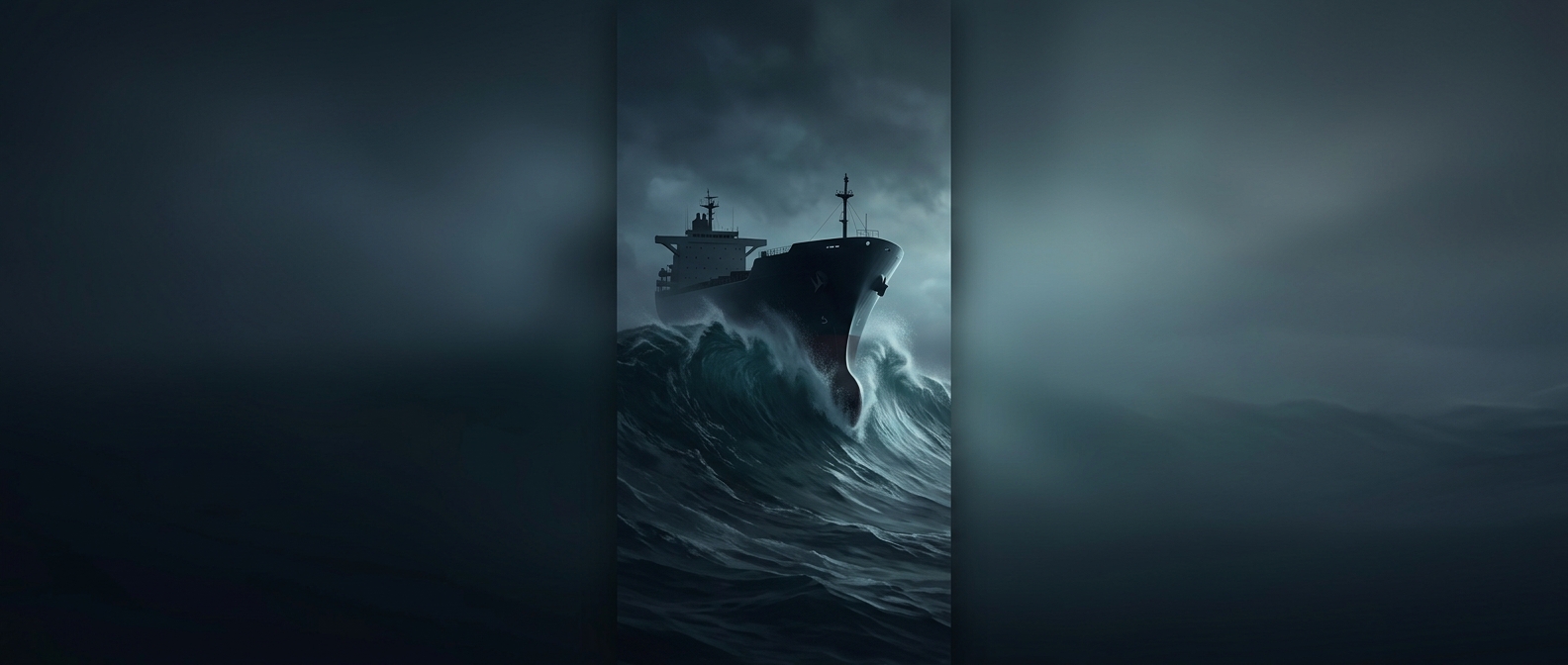
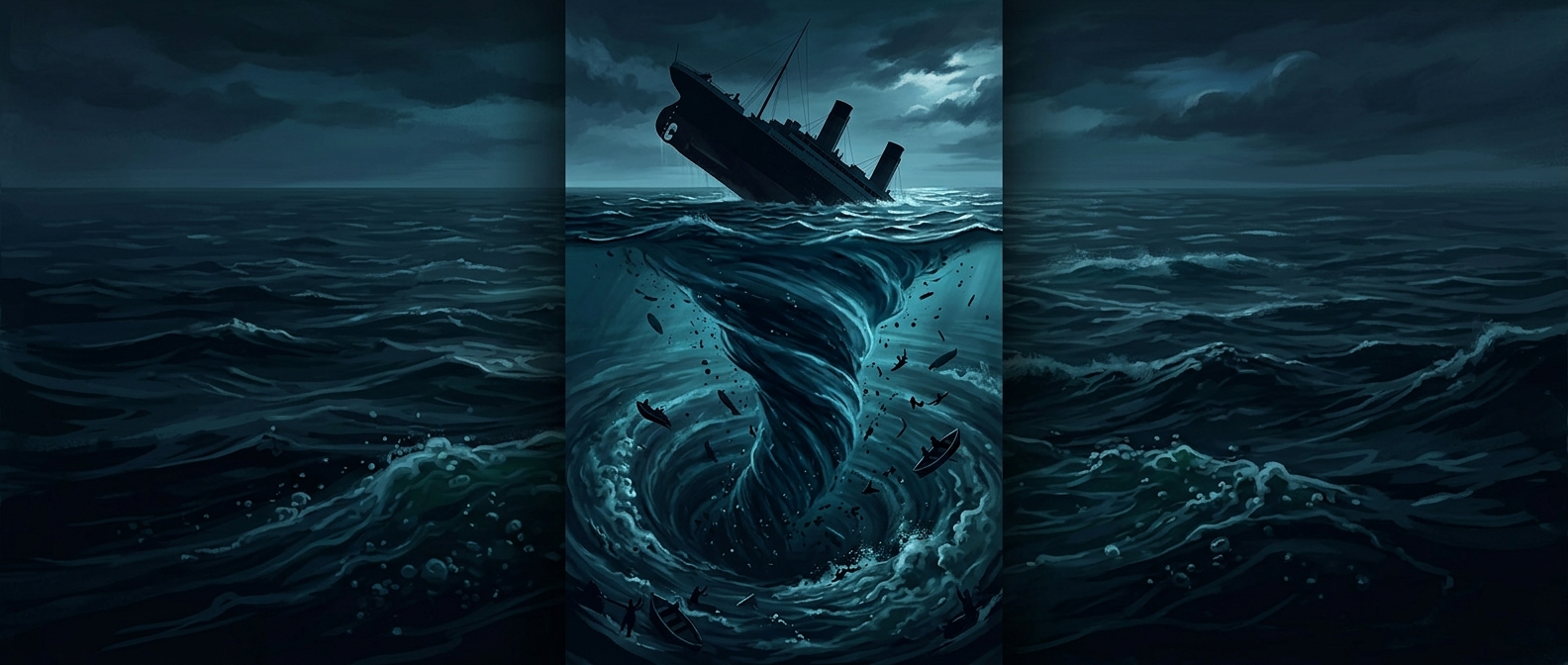
A ship does not simply vanish beneath the surface: as its huge hull descends, it shoves surrounding water aside and sets nearby water in motion. Water flows around the hull to fill the space it leaves, while friction along the hull’s surface carries some water along with it. The result can be a turbulent wake—a shifting mix of currents, eddies and waves rather than one neat, powerful whirlpool.
Why a swimmer nearby can be pulled down
Close to the ship, those moving currents can sweep a swimmer off course or carry them downward with the water. The larger the hull and the faster it sinks, the more water it can disturb. A person may also be pushed against the ship or struck by pieces breaking free, leaving little chance to swim clear. The ship’s motion does not have to create a special “suction” force: being caught in the disturbed water close to a massive moving object is dangerous on its own.
As the vessel settles, trapped air may escape and debris may shift, adding unpredictable bursts of motion. The danger is concentrated near the hull and its wake, where a swimmer cannot easily tell which way the water is moving. Even after the ship slips below the surface, the water it set in motion—and the hazards it left behind—can still be there.