How seabed mud grips a submersible
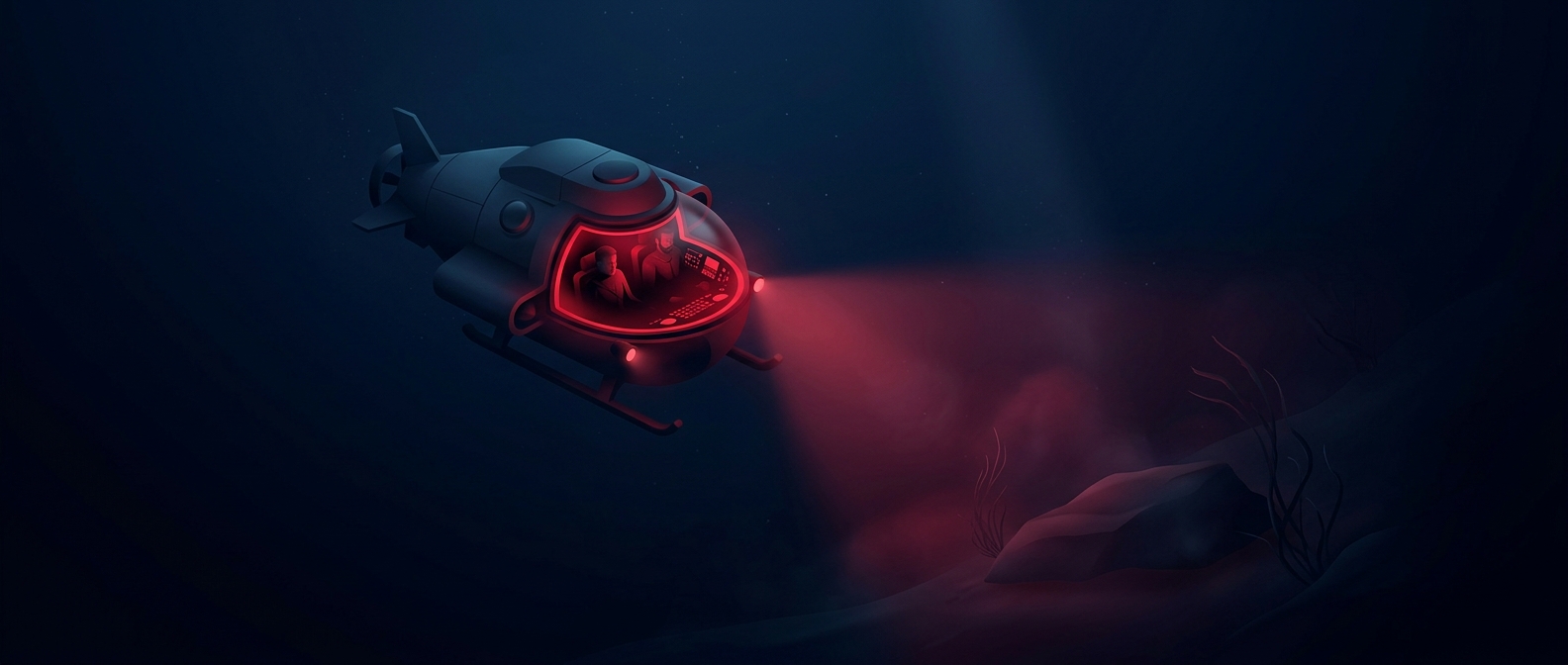
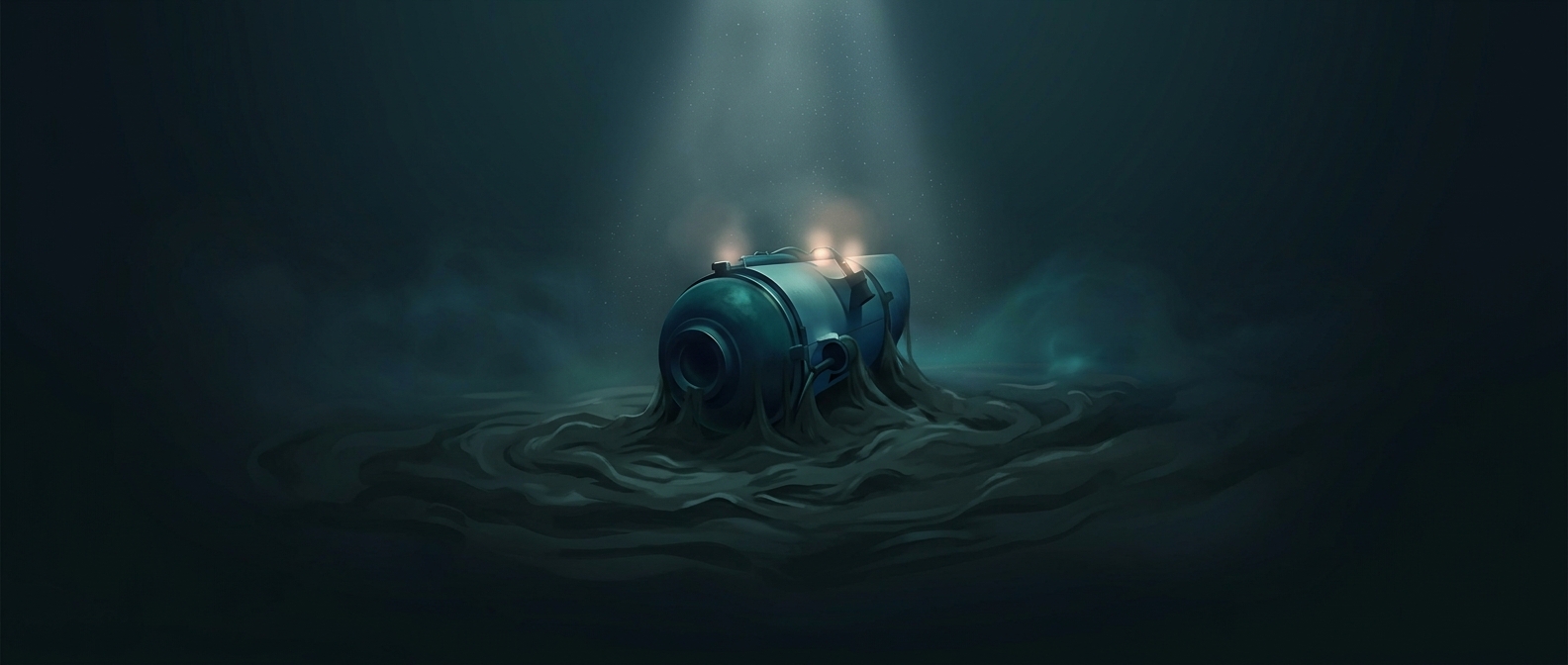
A submersible can become stuck when it settles onto soft, waterlogged sediment. Its weight presses the hull into the mud, pushing sediment aside and squeezing water out of the contact zone. Fine mud can let that water move only slowly, so the pressure beneath the hull may remain lower than the pressure around it. The surrounding mud also deforms around the vehicle, adding friction and resistance.
That combination can feel like suction, but it is not a perfect vacuum seal. The force comes from pressure differences and the effort needed to deform and shear the sediment as the hull moves.
Why the thrusters may not be enough
Thrusters are designed to move a vehicle through water, where the flow around them is relatively free. Close to the bottom, their force has to overcome the mud’s grip as well as move the submersible. If the hull is deeply settled or partly embedded, a brief burst of thrust may simply churn sediment without freeing it. The vehicle’s shape, contact area, and direction of thrust all affect how easily it can break loose.
There is a practical tradeoff: approaching the seabed can be useful for close inspection, but getting too close risks turning a careful maneuver into a recovery problem. Pilots must manage distance and thrust so the vehicle can leave the bottom under its own power—because once mud has formed a close, resistant fit around the hull, even a small submersible can be hard to pull free.