How a bed bug rides out a long absence
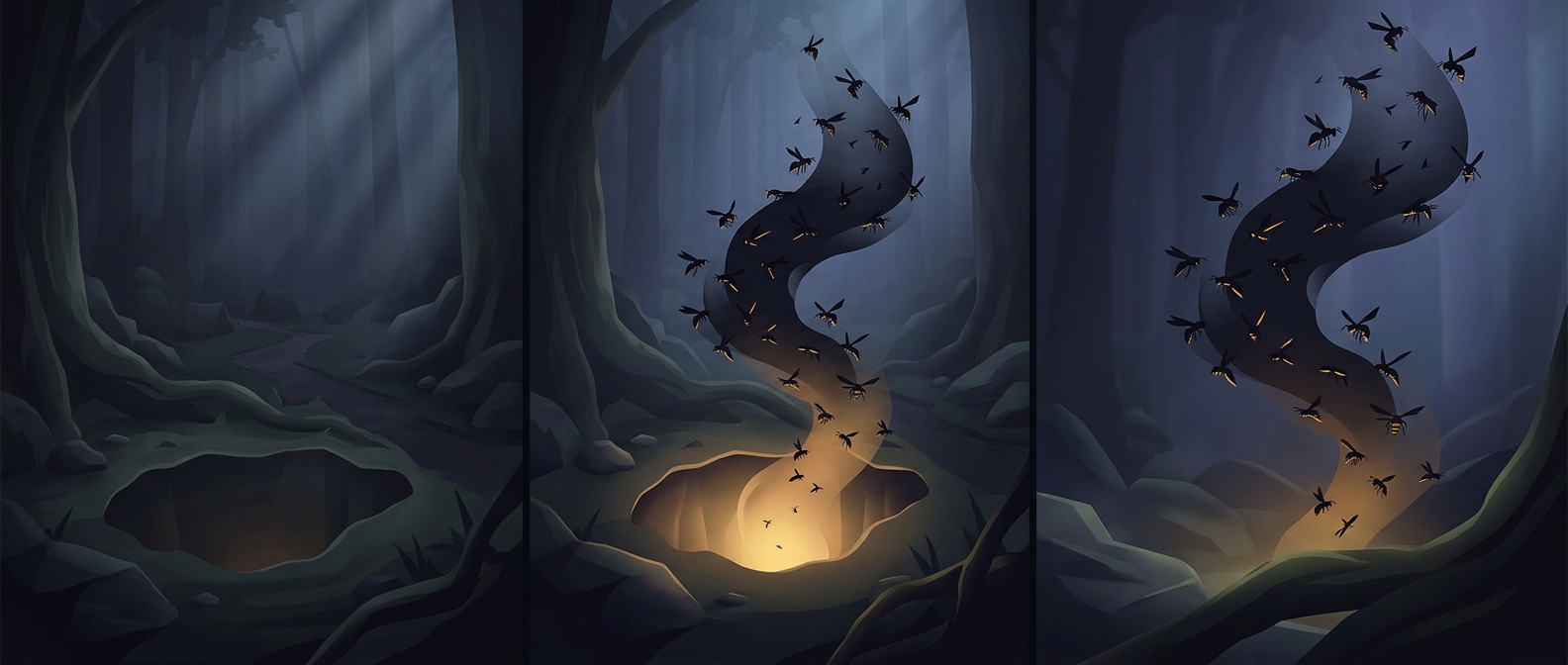
A bed bug does not need to keep searching when no host is nearby. In cool, quiet conditions, it can greatly reduce its activity and conserve energy, a survival strategy often described as dormancy. It remains tucked into a narrow hiding place rather than roaming openly, emerging when a potential host is close enough to detect.
The pause has limits: temperature and other conditions affect how long a bug can survive without feeding, so a year is a possible extreme, not a reliable timetable. A blood meal supplies the nutrients a bed bug needs to grow and reproduce; waiting preserves the insect, but it does not let a population expand indefinitely without access to a host.
Why an empty room may not solve the problem
Leaving a room unused can remove the meal bed bugs need, but it may not remove the insects themselves. They can remain concealed in seams and cracks while the room is quiet, then resume activity when people return. That is why a vacant rental or an apparently untouched bed is not proof that the hiding places are clear.
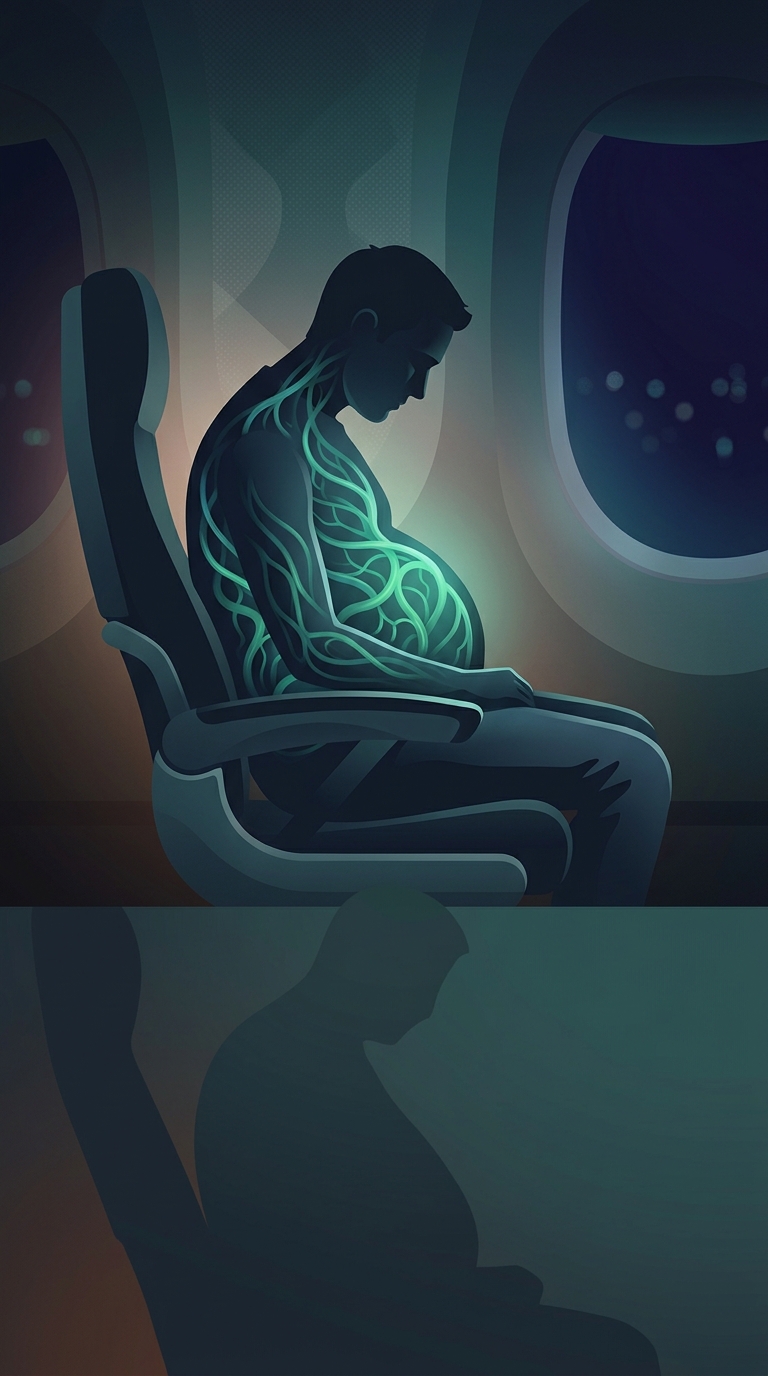
For travelers, the practical consequence is that an infestation can persist between occupants. Bed bugs are carried from place to place in belongings, and once established, their ability to wait makes simple absence an unreliable way to get rid of them.