A closer look
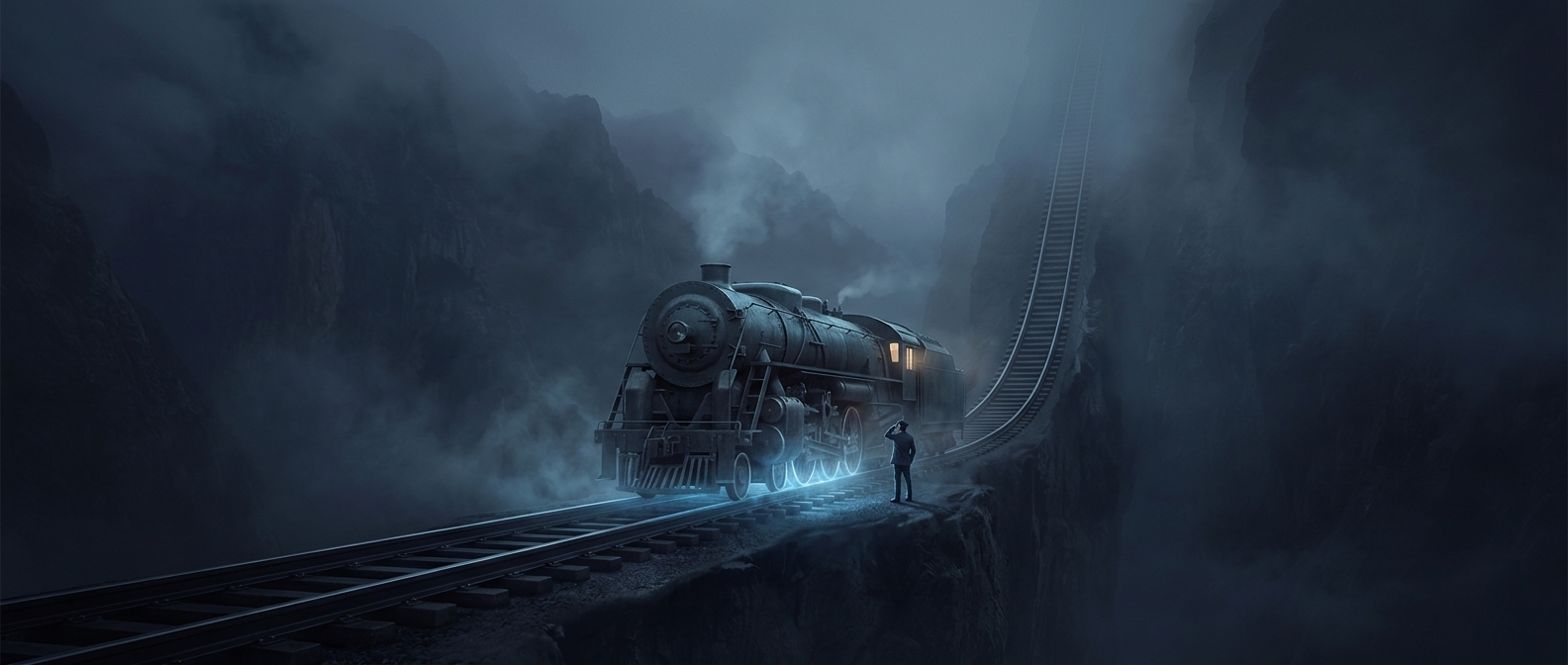
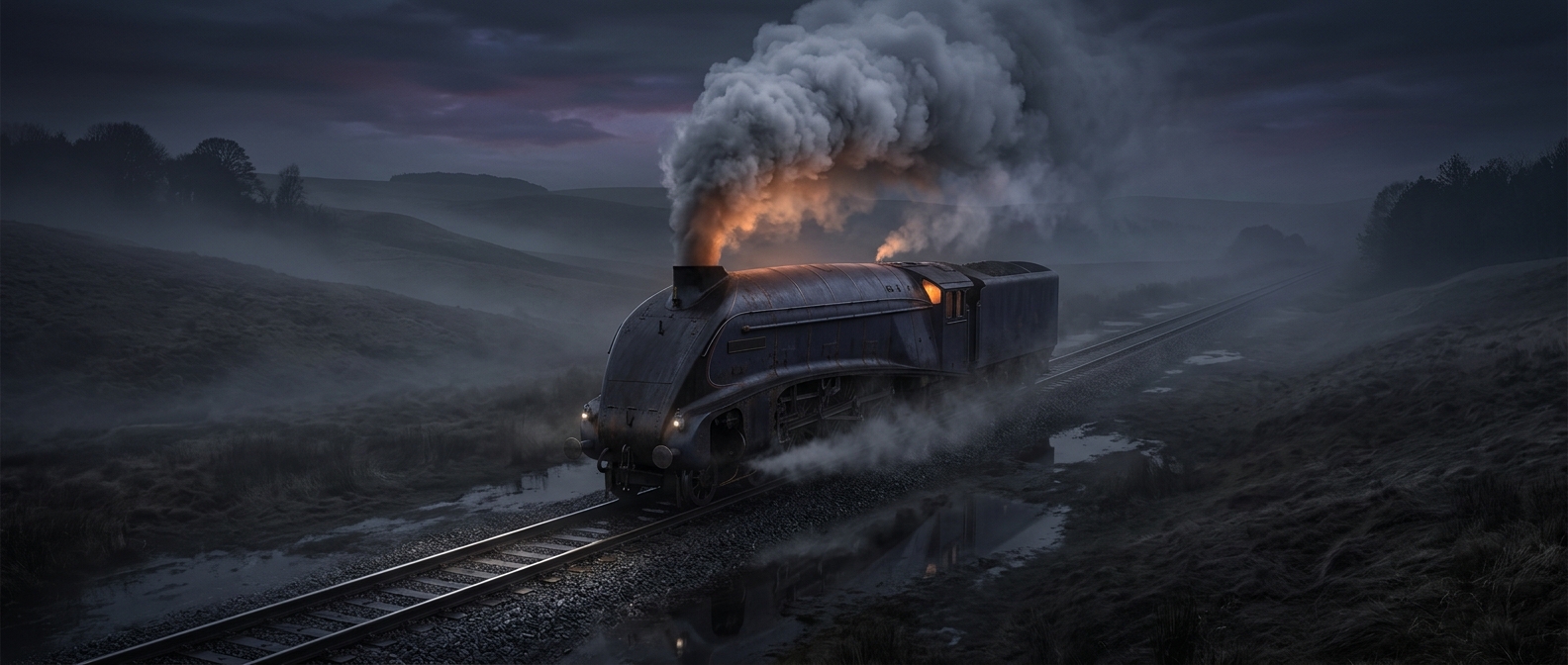
In 1938, Britain’s Mallard charged down iron rails like a dragon that had found its wings, hitting 126 mph—a blistering pace for a machine powered purely by fire, water, and grit. Steel wheels rattled, steam hissed, and the world gasped. Over eight decades later, not a single steam locomotive has managed to outrun it. Why? Because Mallard wasn’t just a train; it was the last epic flex of the steam age, a final thunderclap before the quieter hum of electric progress rolled in. It remains a monument in motion—proof that steam, when pushed to its limits, could compete with the winds themselves.