Why a Truck Pairs Tires at One Wheel Position
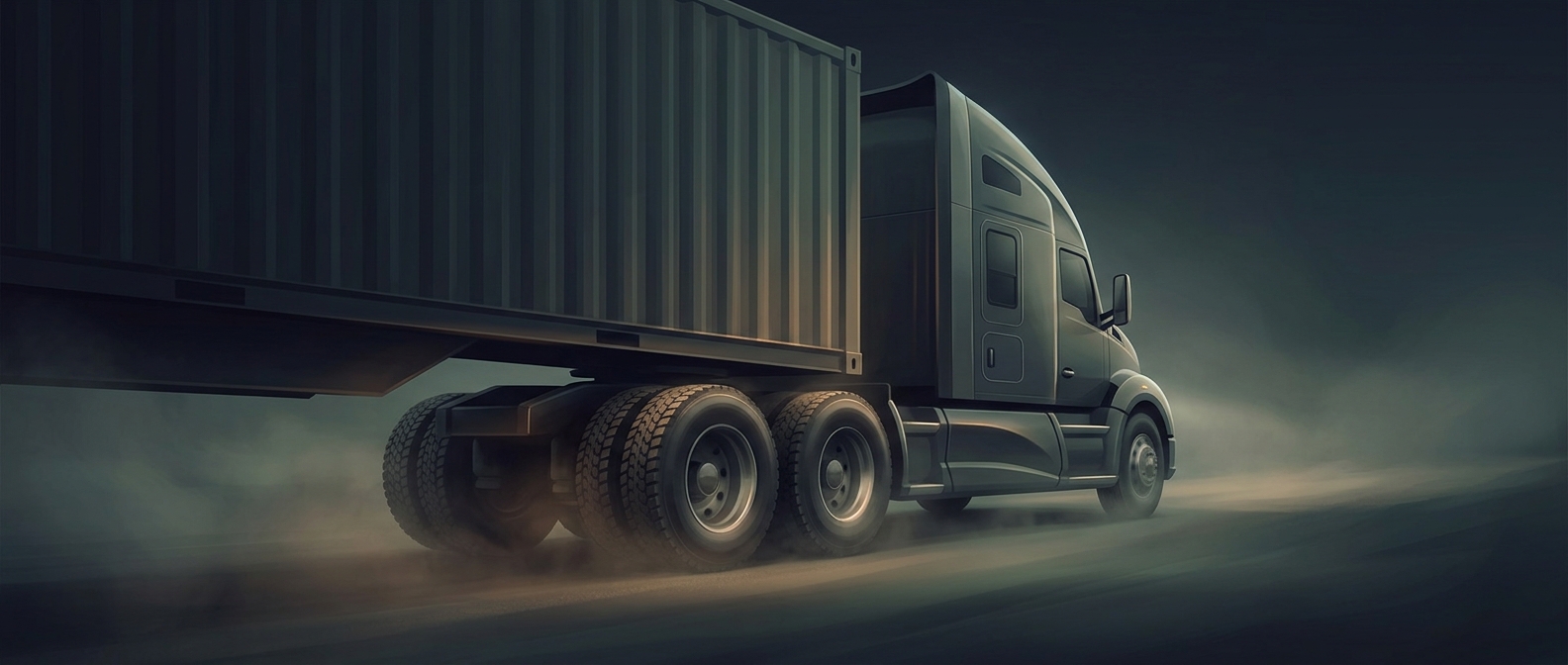
On many semi-truck axles, each side carries a pair of tires mounted side by side. The pair supports the vehicle together: instead of forcing one tire to carry the entire load at that position, the truck divides the work between two. That helps keep each tire within its designed load capacity as cargo presses down through the trailer, frame, and axles.
The arrangement also gives the truck a wider footprint where its tires meet the pavement. On a powered axle, that can help the tires transmit engine force to the road; across a loaded truck, it helps the tires carry weight without relying on a single, heavily stressed contact area.
The Pair Works Only If Both Tires Share the Work
A dual setup is not automatically twice as capable under every condition. The tires need suitable inflation and compatible dimensions so they can support the load evenly. If one is underinflated, overloaded, or significantly different in size, its partner may carry more than intended. The result can be extra heat and wear—exactly the stresses the paired arrangement is meant to manage.
That is why dual tires are a practical compromise, not just extra rubber: they spread demanding loads while requiring careful setup and upkeep. On a heavily loaded truck, the small gap between the paired sidewalls is part of a system designed to let both tires do their share.