How a game can raise the pulse without a sprint
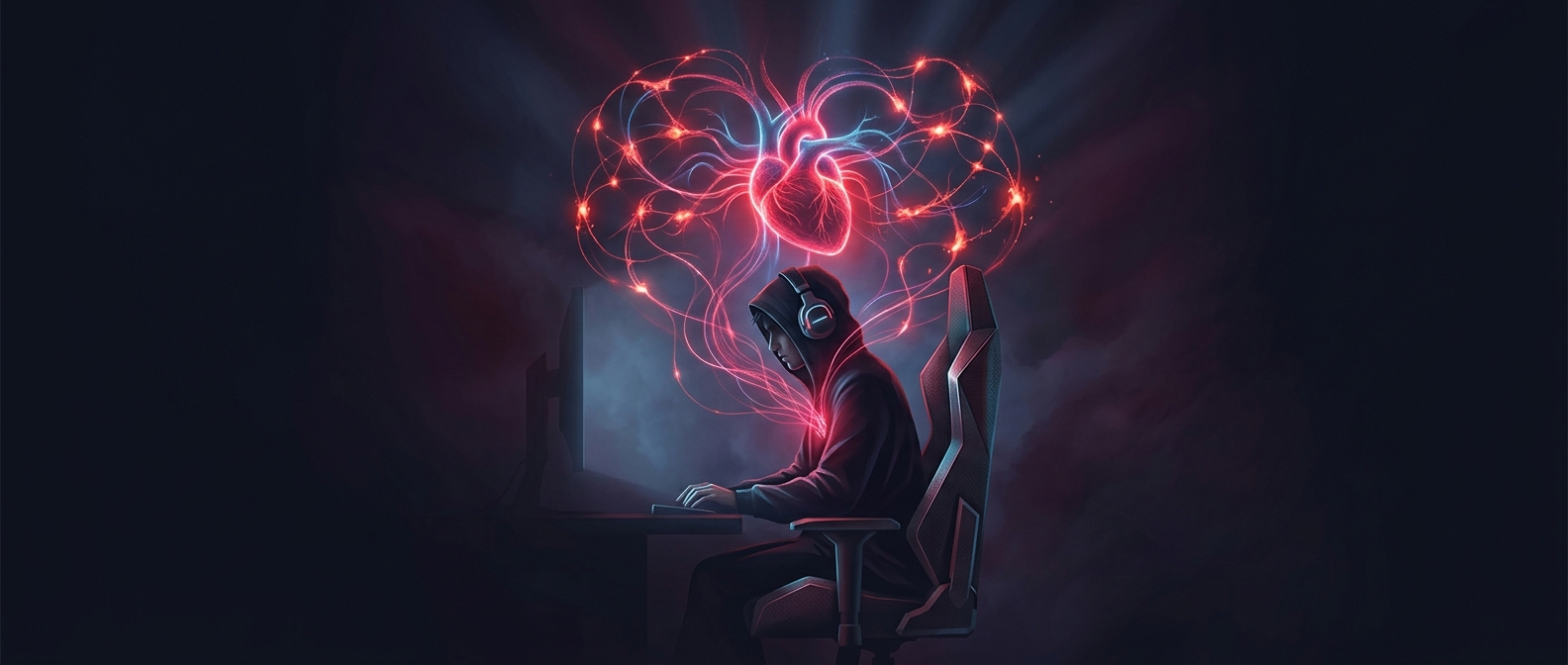
A seated player may be physically still while the brain is treating the moment as urgent. A looming threat, a narrow escape, or a high-stakes decision can trigger the sympathetic nervous system, the body’s rapid-response system. It releases signals that make the heart beat faster and prepare the body to act, even when the player’s muscles are doing little more than holding a controller.
Tension is built from anticipation
Games can sustain that response by making danger hard to predict. Limited time, uncertain outcomes, sudden sounds, and brief pauses before a reveal all invite the player to anticipate what might happen next. That anticipation matters: the body can react to a perceived threat before anything actually happens on screen. When the pressure eases, the pulse may gradually settle.
A reading of 120 beats per minute is therefore not a measure of how much the player is moving. It reflects one possible bodily response to an intense experience, and the size of that response differs from person to person. The striking part is the mismatch: a player can be motionless in a chair while the body responds as if action is imminent.