How night work can disrupt the body’s clock
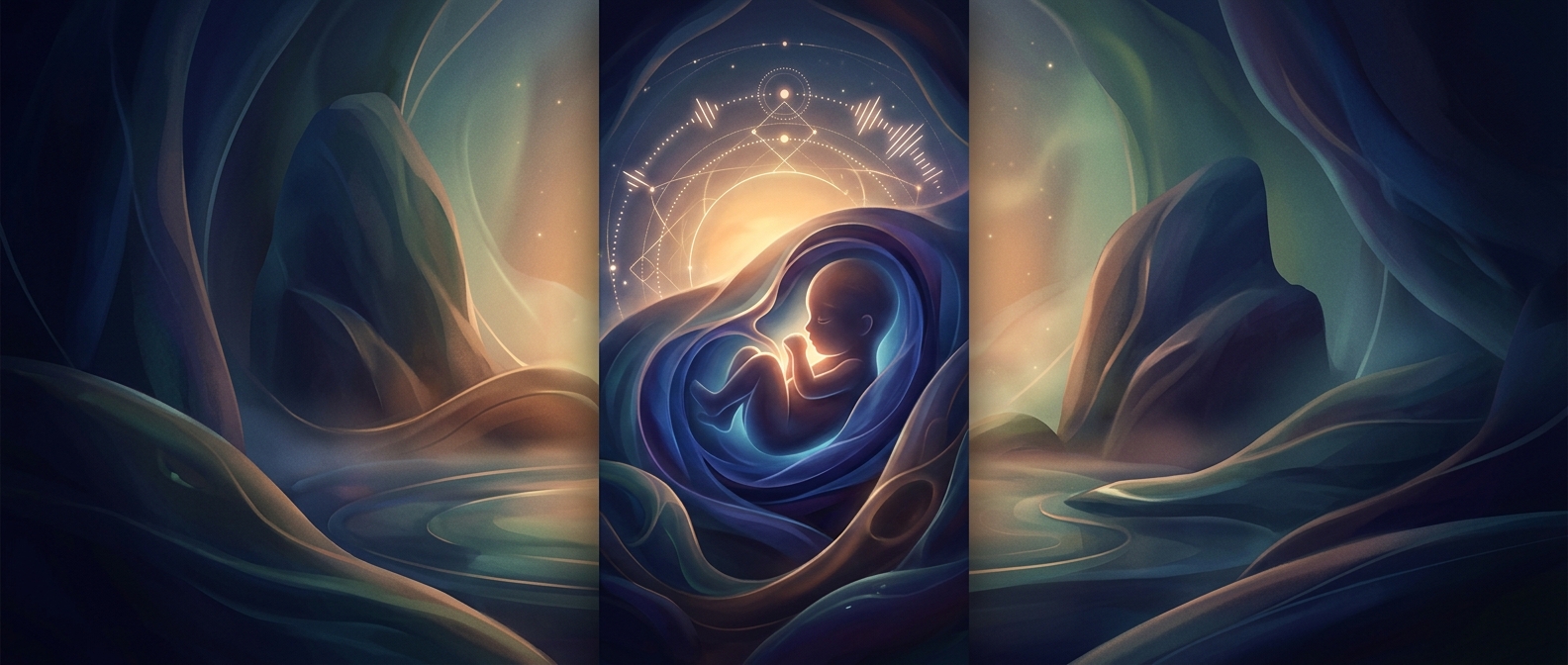
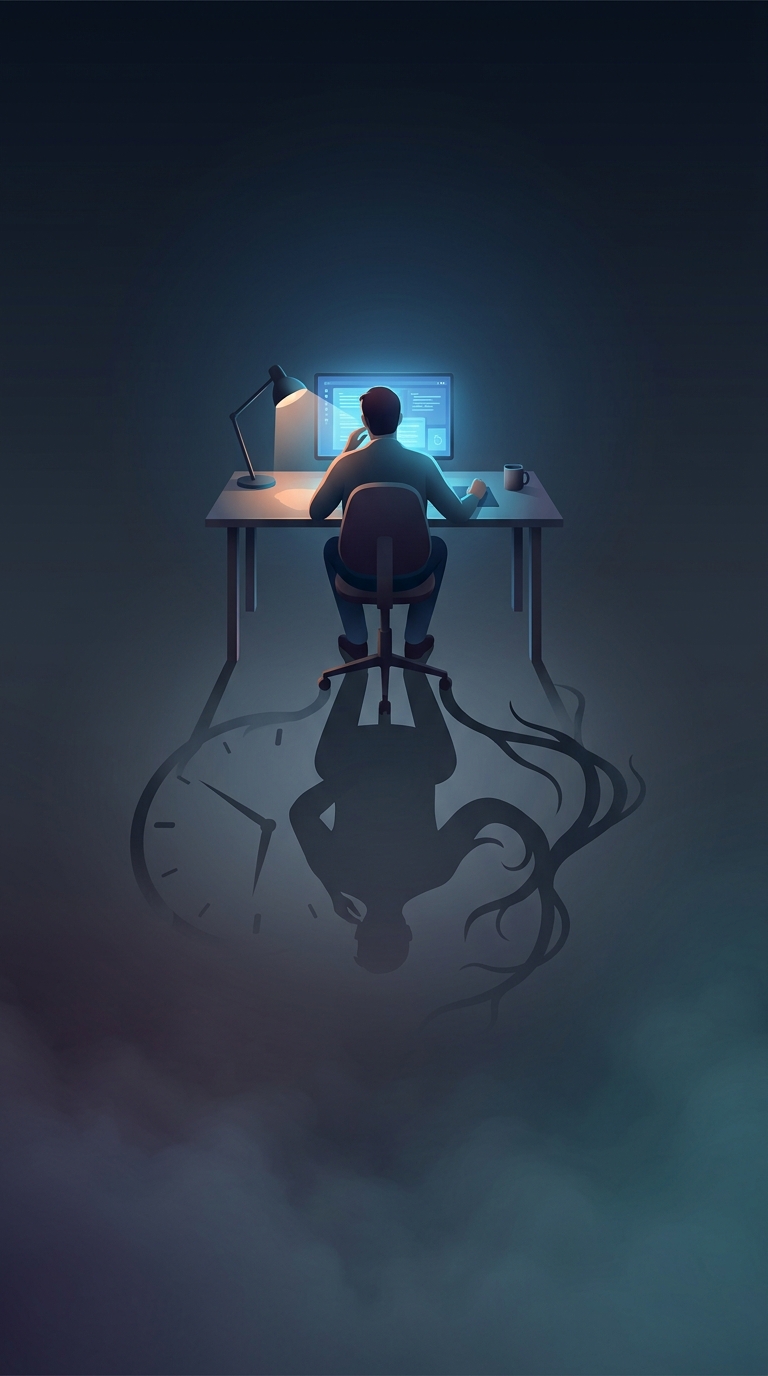
The concern is not simply that working at night is tiring. The body runs on a roughly 24-hour circadian rhythm, a timing system that helps coordinate sleep, hormones, digestion, and other functions. Light at night and sleeping during the day can shift or confuse that system, especially when a person repeatedly switches between night and daytime schedules.
One hormone affected is melatonin, which usually rises in darkness and helps signal nighttime to the body. Researchers have proposed that disrupted circadian timing, altered hormone patterns, and the effects of chronic sleep loss could influence processes involved in cancer development. These are plausible biological pathways, not proof that a particular shift causes cancer in a particular worker.
What “probable carcinogen” means
The International Agency for Research on Cancer (IARC), part of the World Health Organization, classifies hazards by weighing evidence from people, laboratory animals, and biological research. It placed night shift work in Group 2A, “probably carcinogenic to humans.” That judgment reflected limited evidence of increased cancer risk in people, alongside stronger evidence from animal studies and supporting biological mechanisms.
“Probable” is a category of evidence, not a forecast for an individual. It does not mean every night-shift worker will develop cancer, nor does it quantify how much risk a particular schedule adds. Human studies are difficult to interpret because workers’ schedules, years on the job, sleep, and other exposures differ, and those factors can be hard to separate.
Why the classification matters
The classification flags a potential occupational hazard for further study and prevention; it does not establish a universal safe threshold or require the conclusion that all night work is equally risky. The practical concern is repeated disruption over time, not a single late night. For workers and employers, the finding makes schedule design, adequate recovery sleep, and reducing unnecessary circadian disruption relevant questions—while leaving the size of any cancer risk uncertain.