How one frightening encounter can become a lasting fear
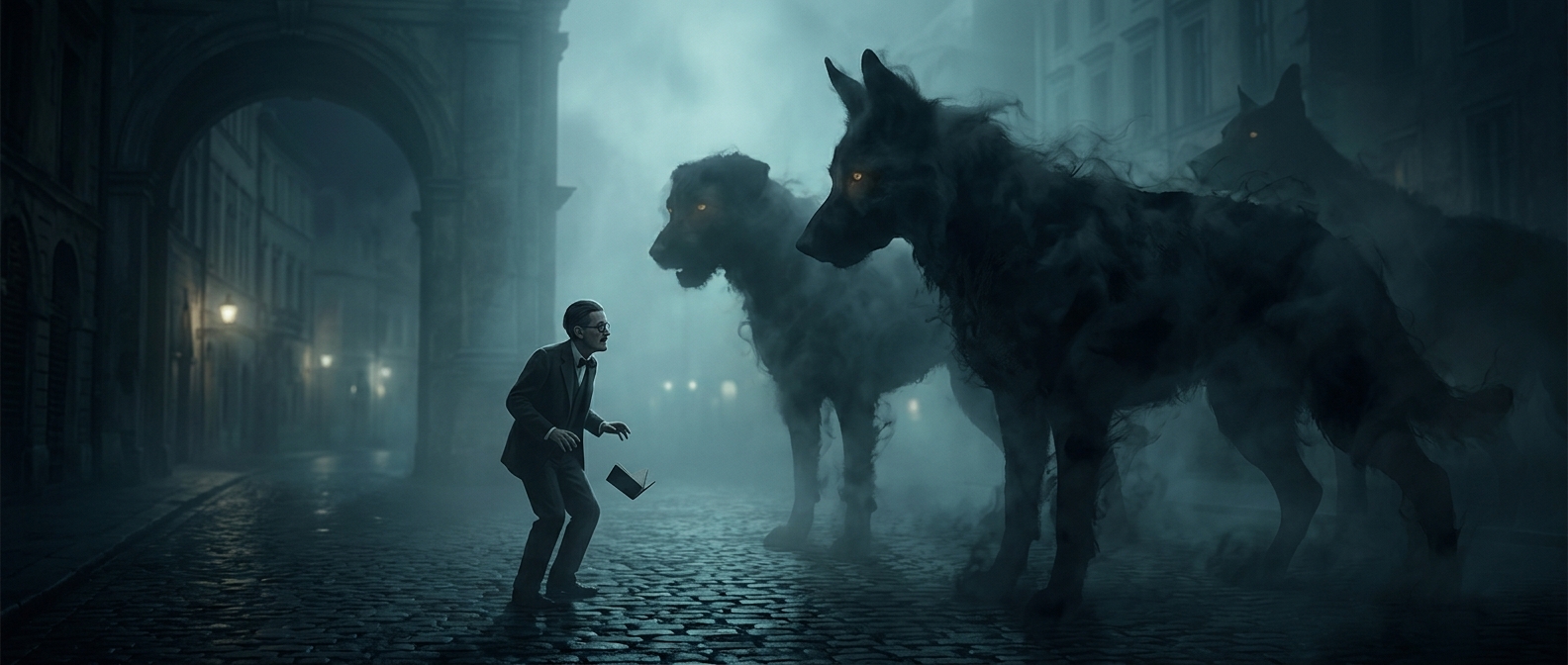
A dog bite is not just a painful moment; it can teach the brain to treat dogs as a warning. After a frightening experience, the mind may connect the sight or approach of a dog with the danger of being hurt again. Later, even a dog that poses no threat can set off alarm and avoidance before careful reasoning has much chance to intervene.
That learned response helps explain why knowing a fear is disproportionate does not necessarily make it disappear. Fear is an automatic protective reaction, not a verdict reached by weighing evidence. Hiding behind friends, as Joyce might do when a stray approached, was a way to put distance between himself and the perceived danger.
Literary brilliance did not make him immune
Joyce’s fear offers a small but revealing contrast to the image of the writer as someone who can master everything through thought. A person may be intellectually formidable and still have a strong, bodily reaction to a particular threat. The mind that can shape complex fiction is not a switch that turns off the nervous system’s learned alarms.
That is why the detail is memorable: it makes a celebrated author’s vulnerability concrete. Faced with a stray dog, Joyce might rely not on literary cleverness but on the practical refuge of the people beside him.