A language built for the joke, not the dictionary
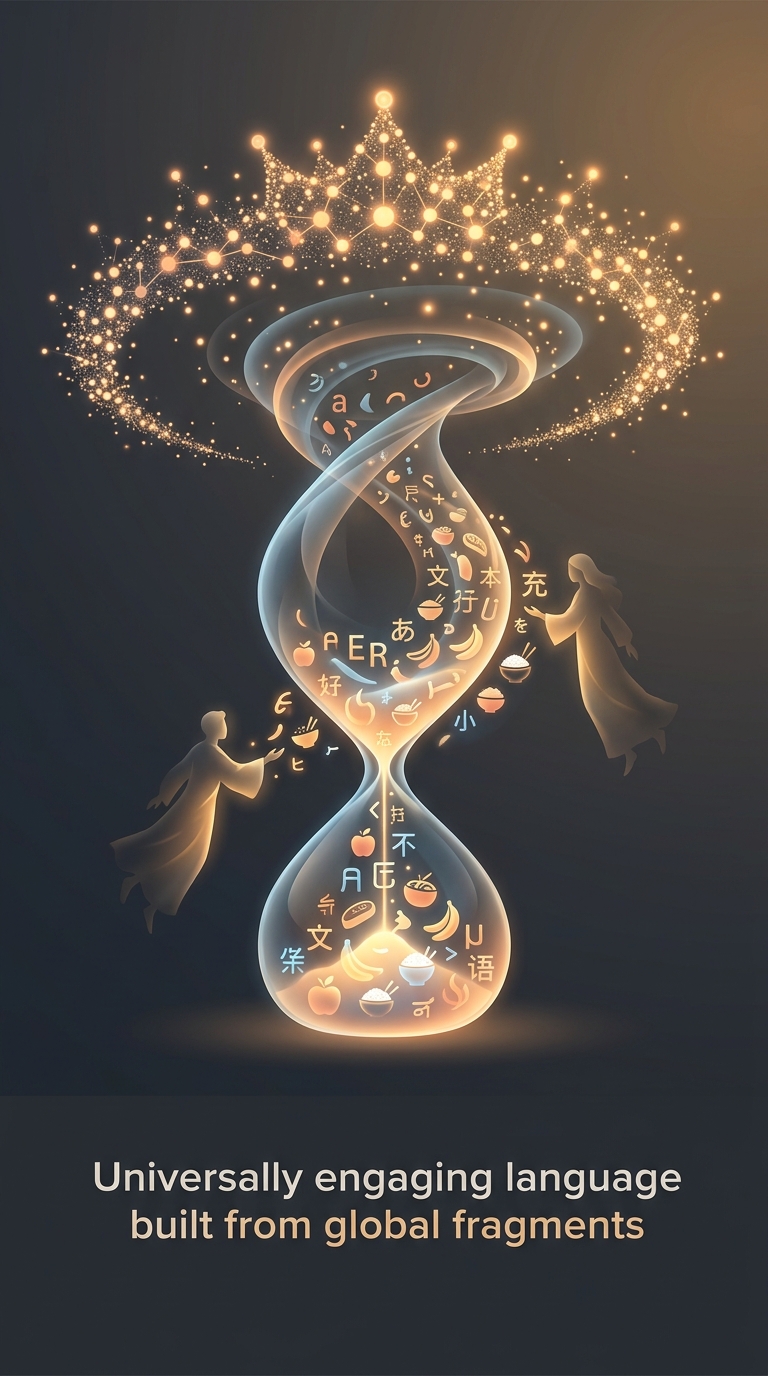
Minion speech works because it gives viewers just enough to recognize and enjoy without requiring them to translate every line. Pierre Coffin and Chris Renaud, the directors who voiced the characters, mixed familiar sounds and words from languages including French, Spanish, Italian, and Japanese. Food words were especially useful: they are vivid, playful, and easy to make sound funny in an exaggerated voice.
The result is less a constructed language with a consistent grammar than a performance tool. Its fragments can suggest a meaning, but the scene does most of the explaining. A Minion’s expression, gesture, timing, and reaction tell viewers whether a burst of speech is a greeting, a complaint, or a triumphant announcement.
Why the mixture suits the characters
A line in a single recognizable language could make the Minions seem to belong to one particular place. Their shifting vocabulary instead makes their speech feel broadly familiar and deliberately nonsensical. Viewers may catch a word, miss the next one, and still follow the emotional beat.
That flexibility also helps the voices carry comedy across language barriers. The humor can survive dubbing because it does not depend entirely on a precise sentence being understood; sound, rhythm, and physical acting do much of the work. The Minions’ “language” is designed less to convey exact information than to make their personalities audible.