Fruit symbols gave slot machines a legal disguise
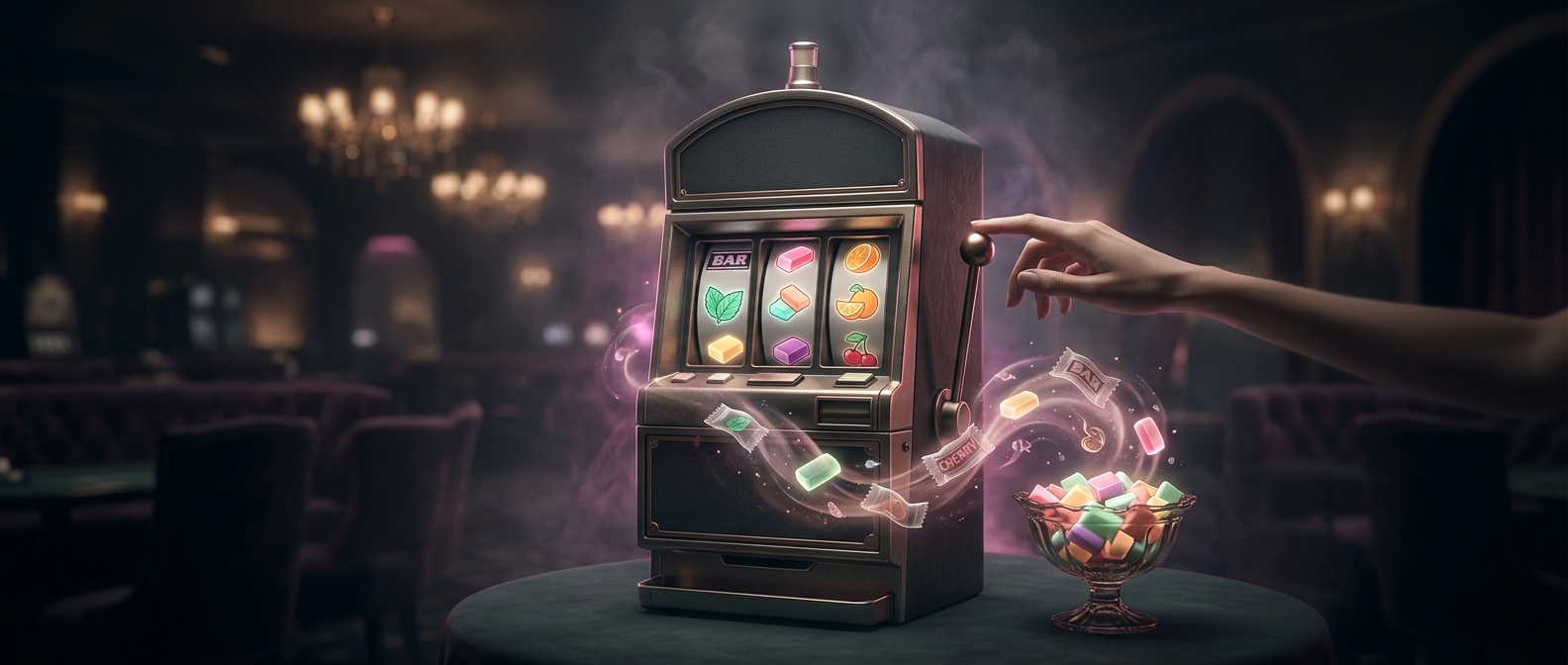
In places where laws restricted gambling, early slot-machine operators had a problem: a machine that paid cash looked like a gambling device. Some recast the prize as chewing gum, presenting the machine as a kind of vending device instead. The fruit pictures—cherries and melons among them—could then stand for gum flavors a player might win.
The distinction was more than cosmetic. The machine still invited people to wager on a chance outcome, but describing the reward as merchandise helped operators argue that it was selling a product rather than paying out gambling winnings. Whether that framing satisfied the law depended on the place and its rules; the fruit imagery was a workaround, not a universal legal exemption.
A workaround outlived its original purpose
Fruit symbols made the supposed prize legible at a glance: land on a matching combination and the machine indicated a reward. Once cash-paying machines became common, cherries and melons remained familiar symbols even though players were no longer choosing among gum flavors.
That persistence is why a modern slot machine can look like a tiny fruit stand. Its imagery carries a trace of an earlier business strategy: the machine’s symbols helped make a gambling-like game resemble an ordinary sale.