How a Camera Angle Turns a Double Into the Actor
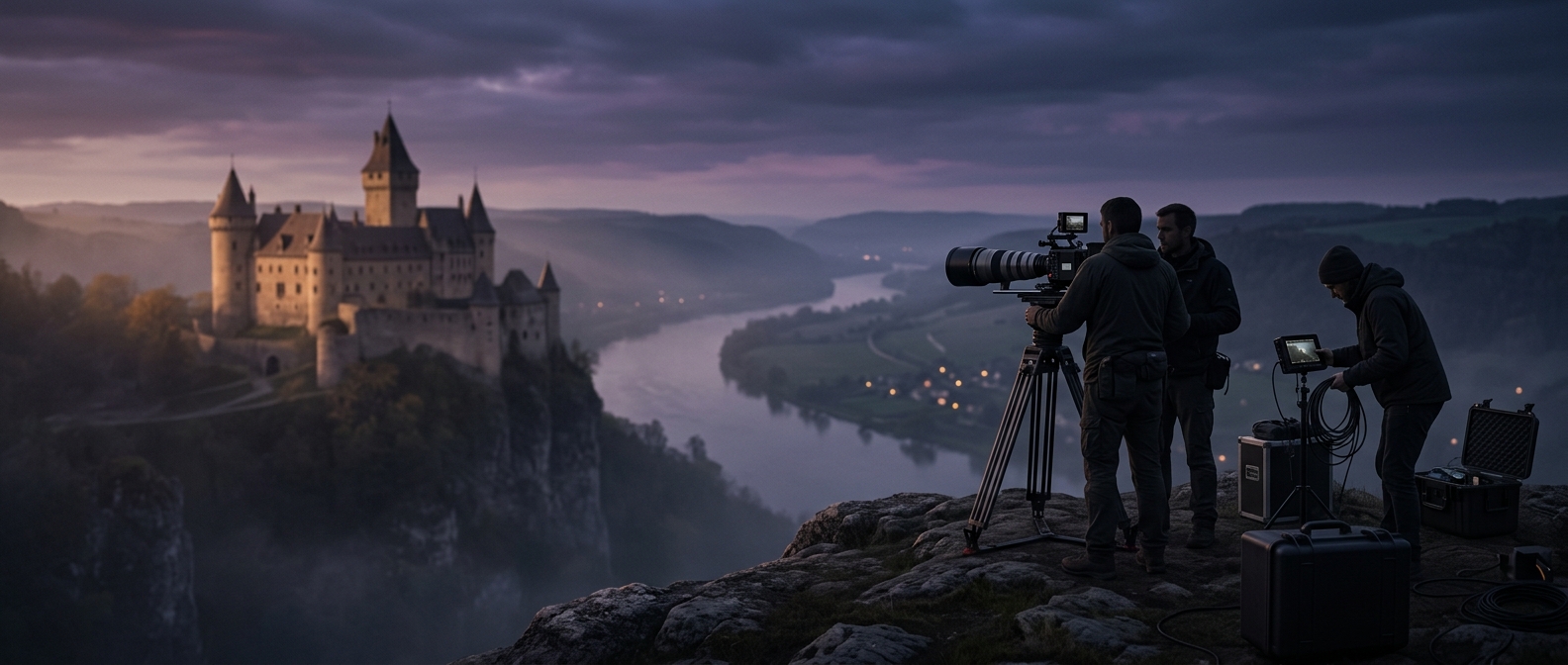
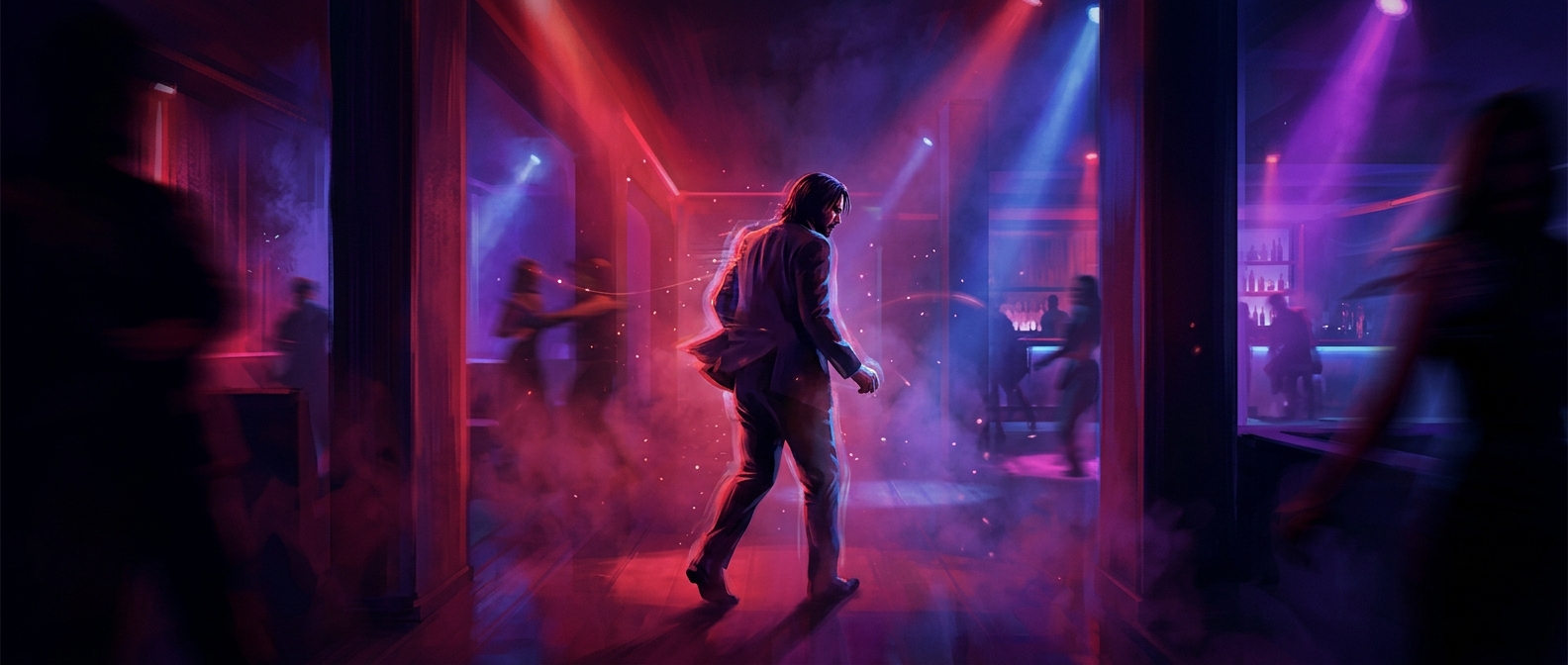
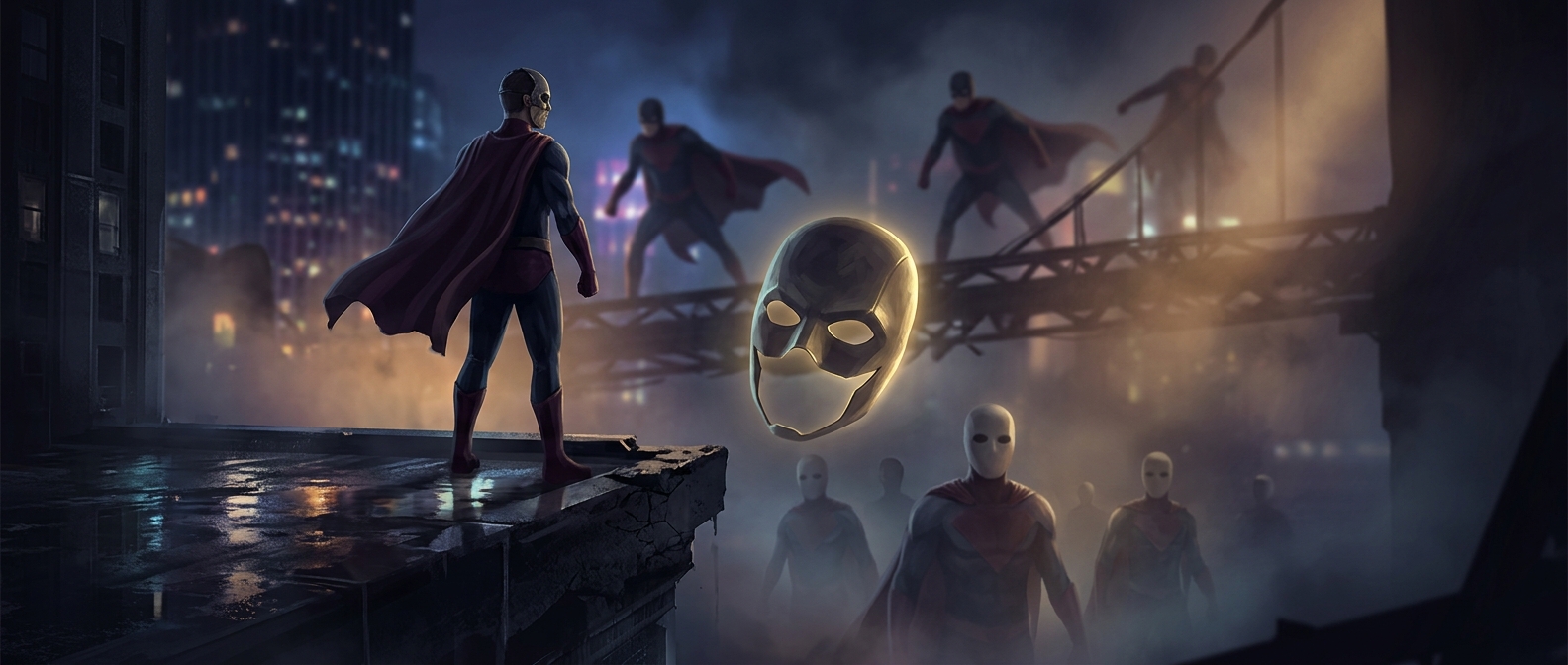
A convincing stunt substitution depends less on fooling the audience at close range than on controlling what the camera lets them see. In a shot framed from behind, the face—the clearest clue to identity—is absent. A wig, matching clothes, and a similar outline can make the performer read as the character long enough for the action to register.
The Edit Does the Rest
The stunt performer can handle the movement that demands gymnastic skill, while footage of the actor supplies the face or a closer reaction. Editors join the moments at a point where attention is already on the leap, turn, or landing. Matching the direction and rhythm of the movement helps the two performances feel like one continuous action.
This works best when the camera angle and framing are chosen for the substitution. A view from behind or at a distance hides small differences in face and appearance; a prolonged, clear view would make the disguise harder to sustain. The trick is not that the double becomes indistinguishable from the actor, but that the scene gives viewers little reason to inspect the difference.
That is why a wig can seem comically inadequate on its own yet work perfectly in a finished scene: the disguise is only one piece of a coordinated shot and edit.