Why a tiny key can be harder to carry than a ladder
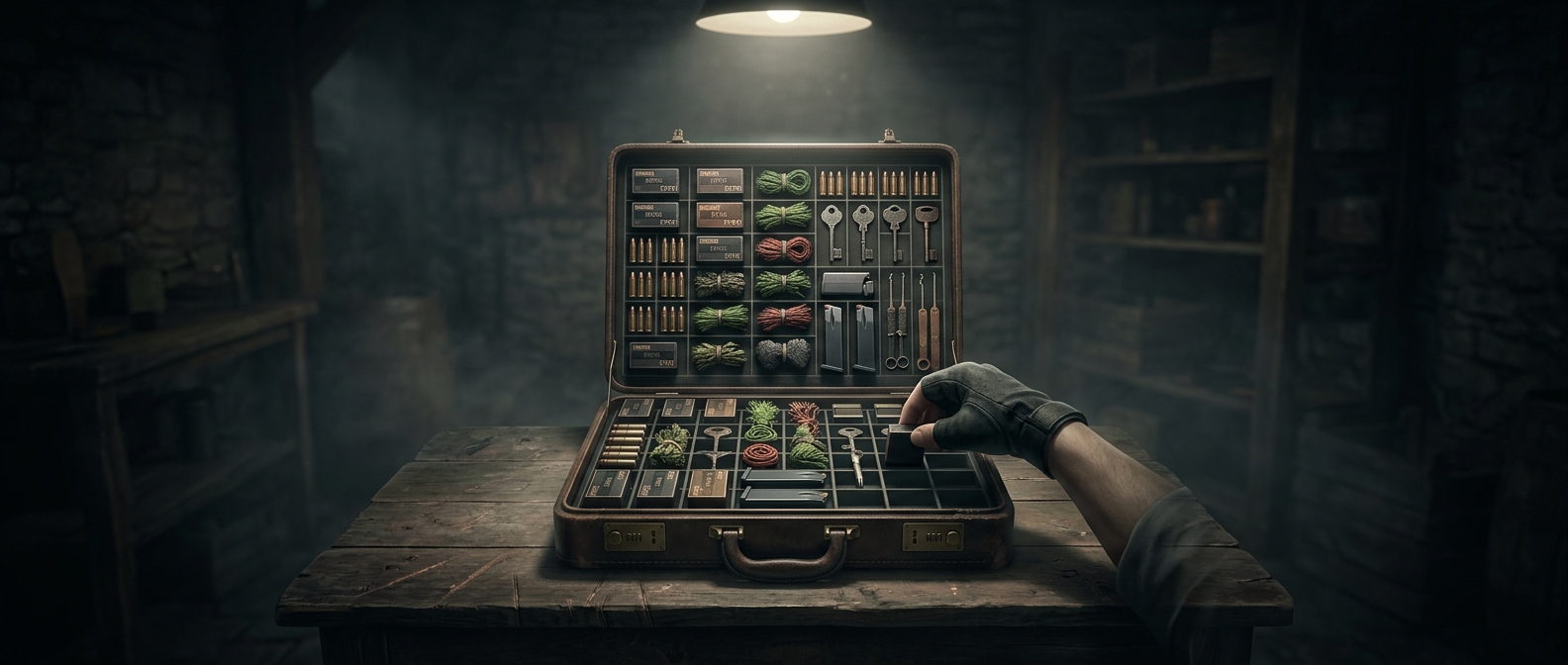
A game inventory is usually not a literal container. It is a set of rules for what the character may keep, and those rules may count items, item types, weight, or special equipment slots rather than physical space. If a system allows 99 apples in one stack but gives a key its own slot, the apples can occupy less of the game’s bookkeeping than that single key—even though the key would take up far less room in a real pack.
That mismatch often reflects what the inventory is meant to do. A limit can make players choose what to keep, return to a storage chest, or leave behind. Designers can tune that pressure through stack sizes and slot counts without simulating the exact shape of every object.
The rule shapes the puzzle
Inventory limits also affect how players approach the world. A ladder may be treated as a reusable tool, while a key is counted as a separate quest item; alternatively, the key may be blocked because the character has filled a general item limit. Those categories can turn collecting and preparation into part of the challenge, even when they make little physical sense.
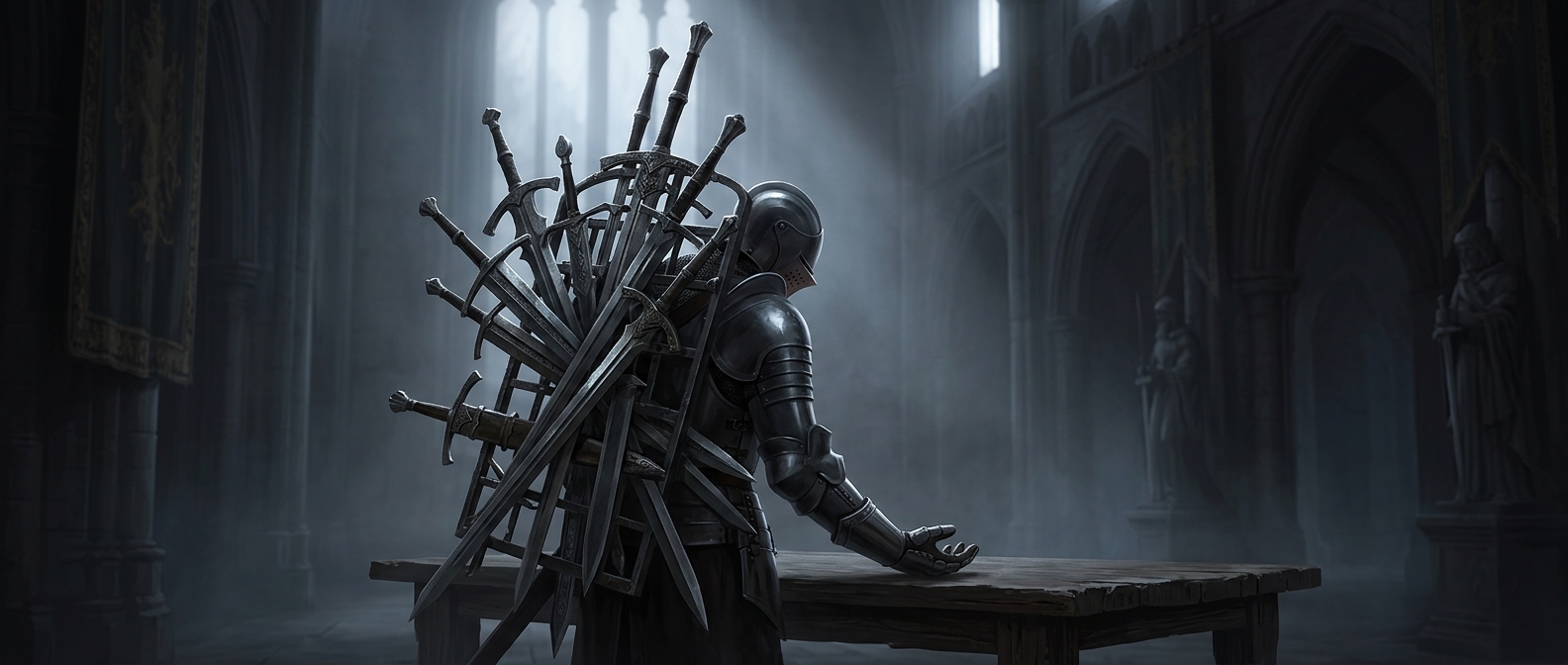
The result is a familiar game-world tradeoff: the character can carry an implausible haul until the system’s chosen boundary says no. The true limit is not the size of the backpack; it is the rule the designers want the player to manage.