When a Wreck Becomes the Win Condition
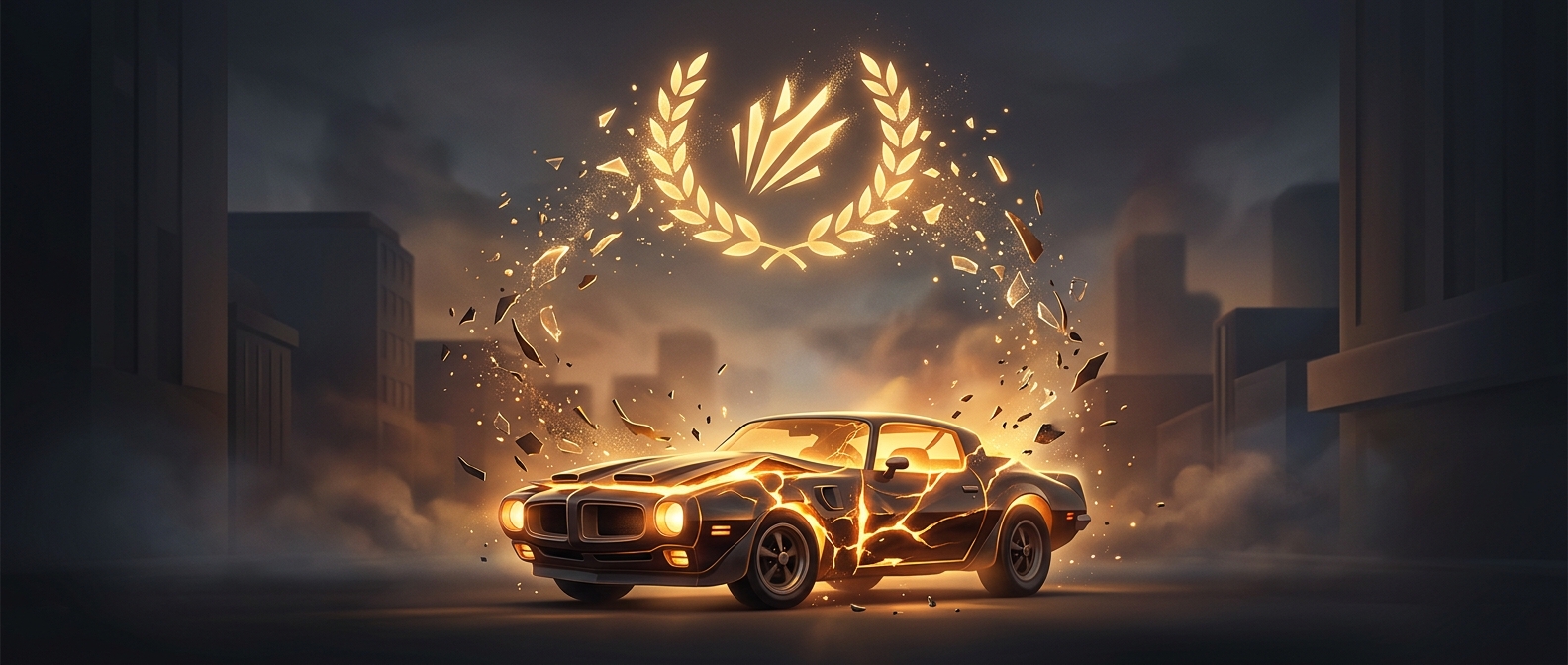
In an ordinary driving game, a collision interrupts progress: you lose speed, control, or a chance to finish first. Burnout Paradise flips that expectation. In its crash-focused play, the goal is to turn one impact into a larger pileup, so the player judges a run by the damage it causes rather than by how cleanly the car reaches its destination.
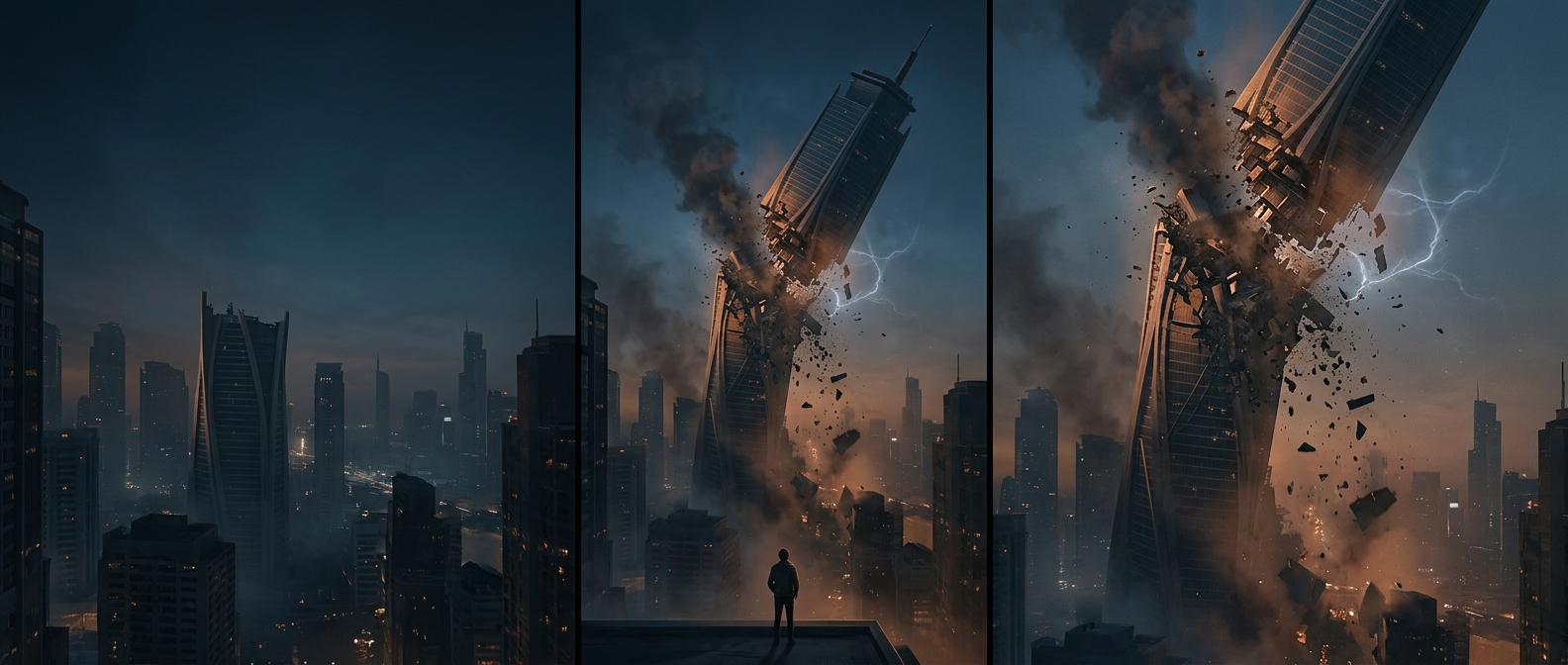
That change makes traffic part of the challenge. The first crash matters, but so does where it happens: a well-placed impact can send vehicles into one another and keep the chain of collisions going. The player is effectively trying to make a single mistake spread.
Why the Chaos Feels Strategic
The spectacle can look random, but the objective gives it a practical logic. Players look for a crowded stretch of road, launch into traffic, and try to create collisions that involve more cars. Each vehicle caught in the wreck helps build the reward, making a dramatic failure a measurable success.
This design also changes the emotional meaning of failure. A crash is no longer simply something to avoid; it is an opportunity to experiment with timing and placement. The memorable moment is not just a car flying through the air, but the instant the player realizes that the disastrous outcome was exactly the point.