Destruction That Changes the Map
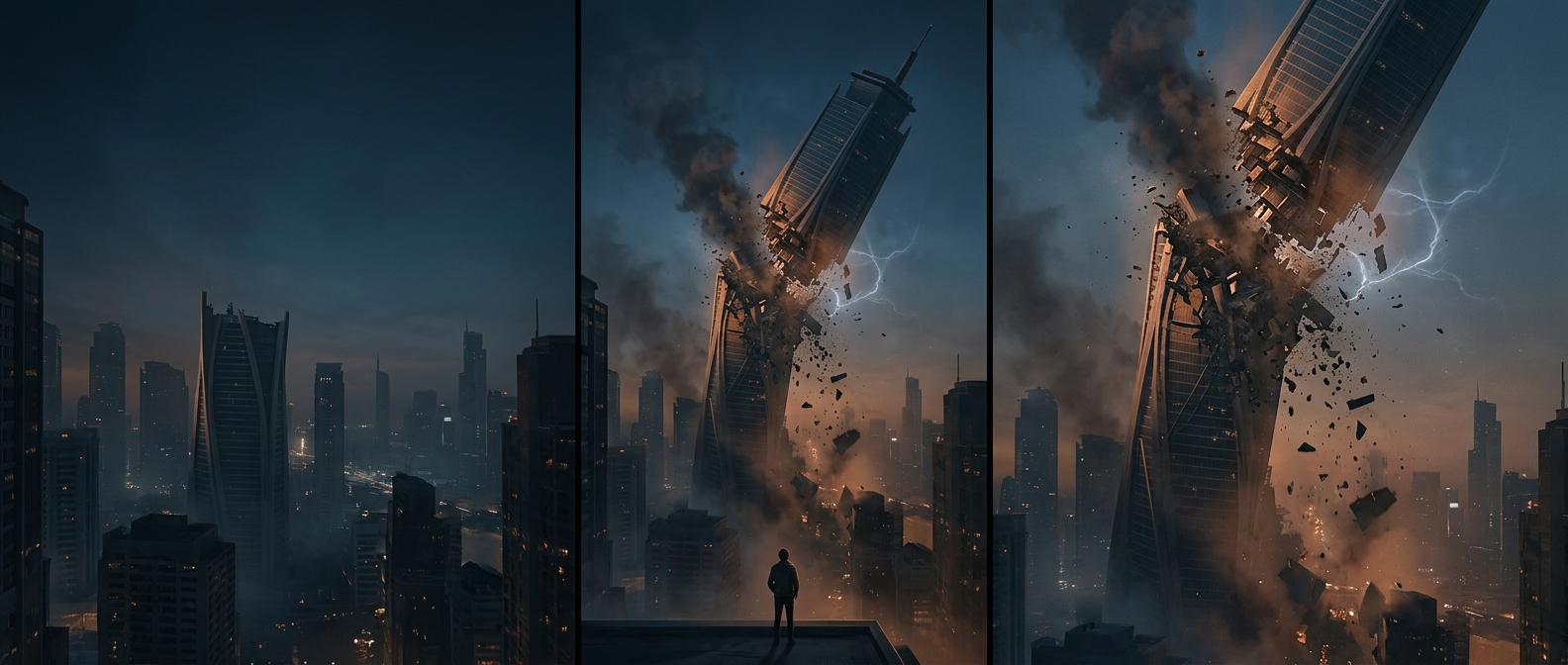
In Battlefield, explosions can do more than damage players: they can alter the structures that shape a fight. A breached wall may connect two rooms or create a route between streets. A damaged tower may lose the position that once let defenders watch the area below. The environment becomes part of the battlefield rather than a fixed backdrop.
From Blast to Open Route
The important design step is linking damage to a useful change in the level. When a wall gives way, players can move through an opening that did not exist before. When a building collapses, it can remove a hiding place or a high vantage point—the elevated position used to observe and attack from above. The explosion therefore changes both where players can travel and which positions are safe.
One Change, Different Consequences
That change can help one squad and hurt another. A new opening might let attackers bypass a guarded entrance, but it can also expose them to fire. Bringing down a tower can deny opponents a powerful perch, while removing cover that another team was using. Players have to respond to the altered layout instead of relying on the same route and defensive position throughout the match.
The strategic effect comes from the lasting change in the map: after the blast, everyone has to fight in a different arrangement of paths, cover, and sightlines.