A weapon aimed at the food supply
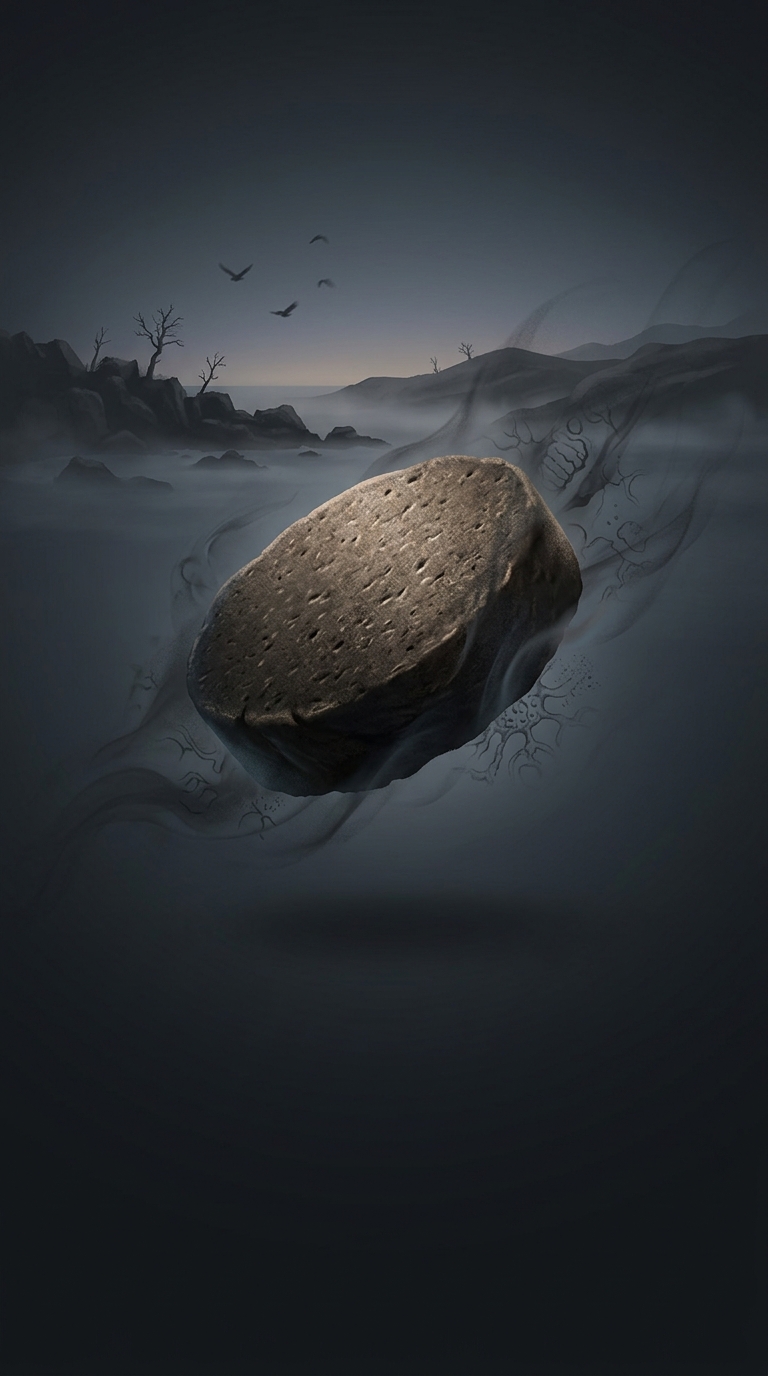
Operation Vegetarian was designed to attack Germany’s livestock rather than its people directly. British planners reasoned that if cattle contracted anthrax, the disease could kill animals and make meat unsafe, threatening food supplies as well as farm production. The scheme turned ordinary animal feed into a delivery system: linseed cakes—pressed seed left over from extracting oil and commonly used as cattle feed—would carry anthrax spores.
The plan depended on infected cakes reaching grazing animals. Aircraft would scatter them over German farmland, where cattle might eat them. In that way, a small object that looked like feed could expose livestock without requiring British forces to occupy or poison a farm by hand.
Why the test island stayed dangerous
Before any operational use, Britain tested anthrax on Gruinard Island off Scotland’s northwest coast. The crucial hazard was not just immediate infection. Anthrax forms hardy spores that can survive in soil for years, so contaminated ground could remain dangerous after the test itself ended. Grazing animals might disturb the soil or ingest spores long afterward.
The island was kept off-limits while that risk persisted. In the 1980s, a cleanup used formaldehyde mixed with seawater to disinfect contaminated ground; sheep were then used to check whether the site still posed a danger. Gruinard was declared safe and the quarantine was lifted in 1990.
A plan with consequences beyond its target
Operation Vegetarian never became an attack on German cattle. But the Gruinard test made the long-term cost of biological weapons concrete: a campaign aimed at disrupting an enemy’s food supply could leave land unusable for decades. The test site itself became the lasting reminder—not a battlefield, but an island that had to be fenced off until the contamination could be dealt with.