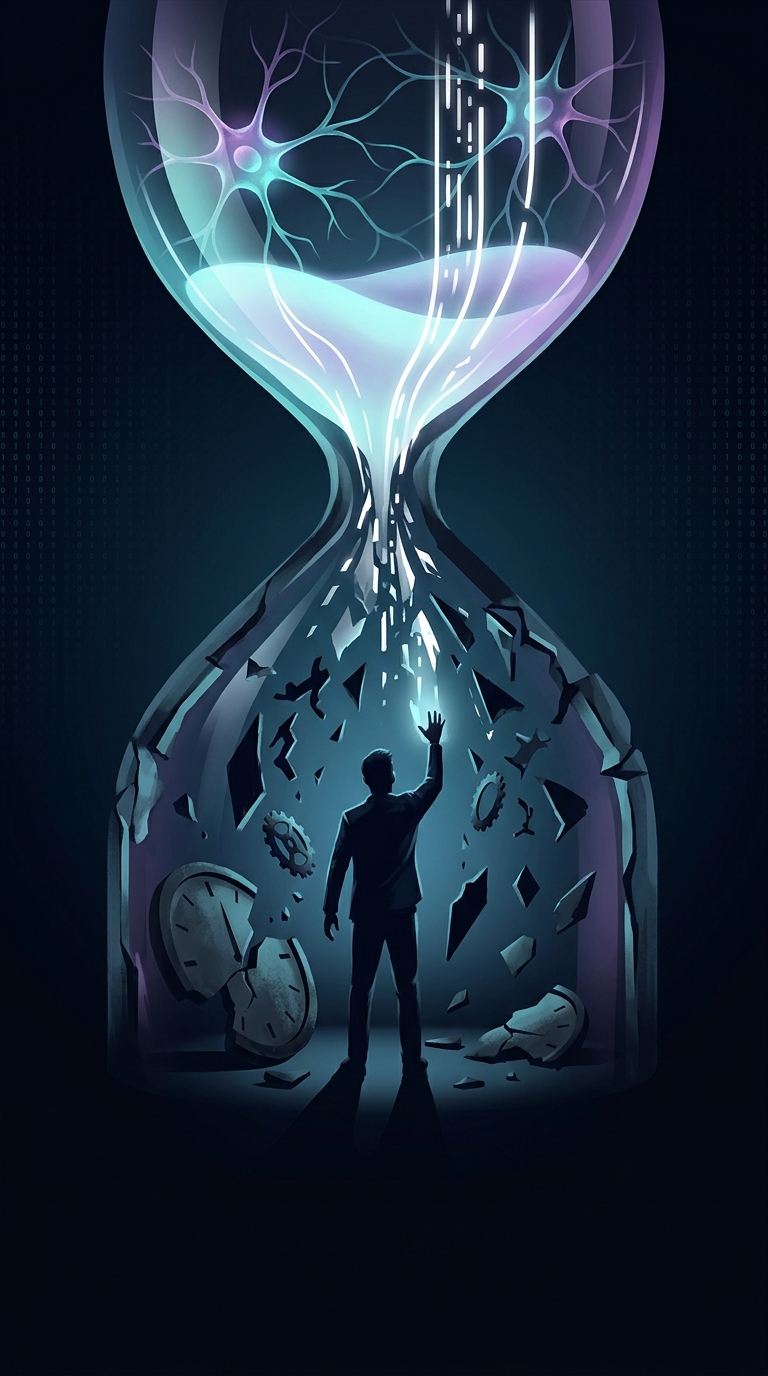
Why 25 can feel like a deadline
Nothing in the body flips a switch at 25. The pressure comes from the meaning people attach to the number: it can seem to mark the point when adulthood should be visibly underway. A vague expectation—be established, financially secure, or partnered—can suddenly feel like a due date.
How an unwritten checklist gains force
Milestones are easy to compare because they are concrete: a job title, a salary, a relationship. The less visible parts of life—uncertainty, changing plans, or work that has not paid off yet—are harder to put beside someone else’s progress. When friends, relatives, or online posts seem to show the same achievements, they can make a personal timeline feel like a shared standard, even when nobody actually agreed on one.
That comparison can turn “I hope to have this someday” into “I should have it by now.” The age itself does not create the checklist; it gives the checklist a memorable label and a moment to revisit it.
The calendar is not a biological schedule
People reach career, financial, and relationship milestones at different ages, and often in a different order. Turning 25 can make those differences feel like evidence of being behind, but the number does not tell you whether a particular path is working. It only makes an arbitrary checkpoint easy to notice: a birthday can feel like a deadline even when life never set one.