What Lobsters Can Teach Us About Aging
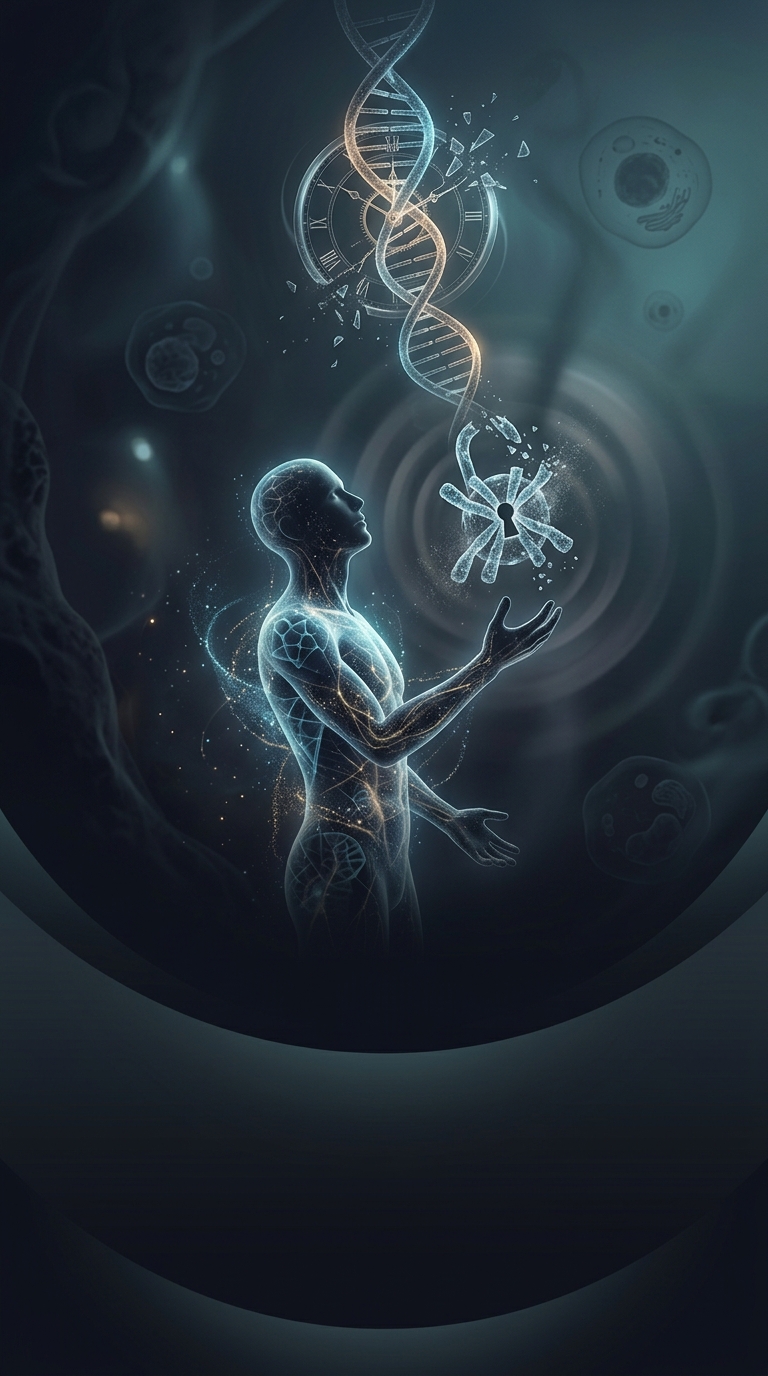
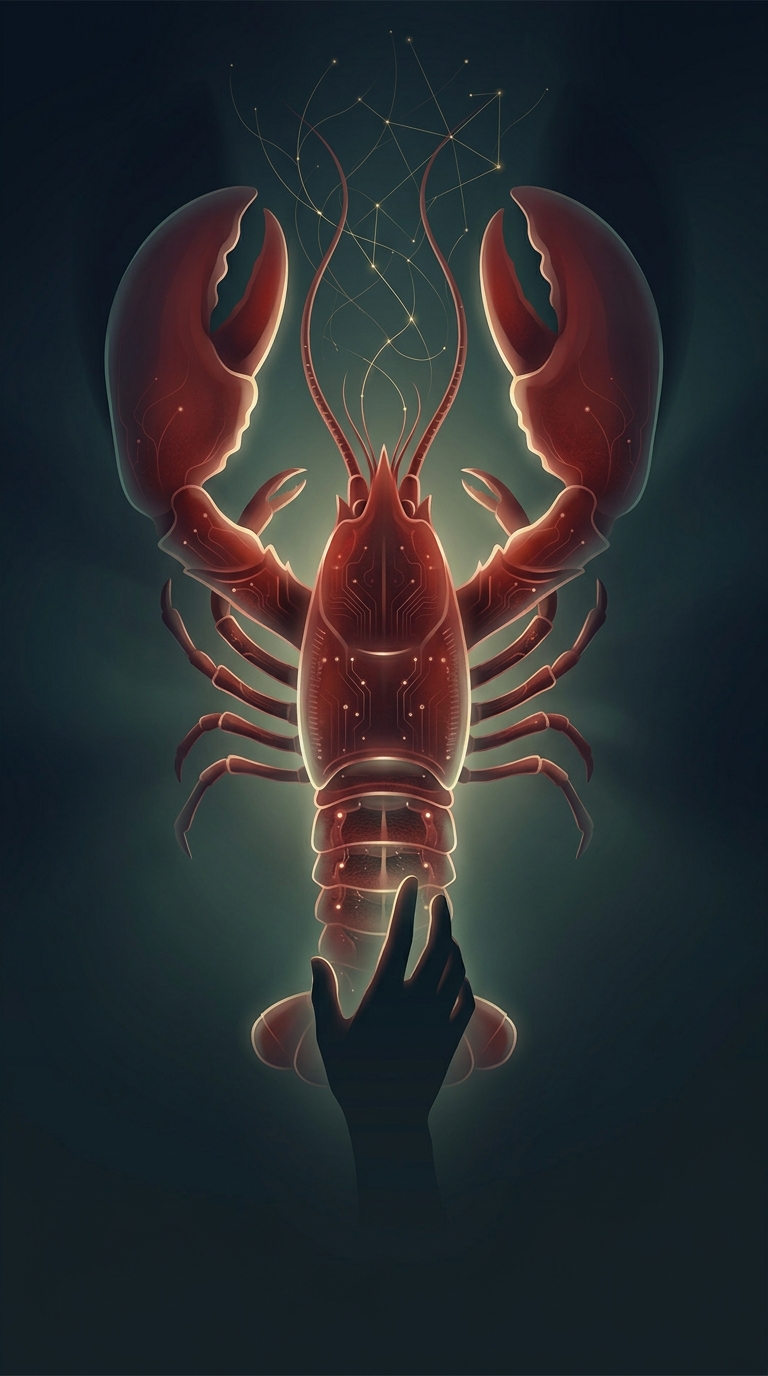
Lobsters attract attention from aging researchers because some of their cells retain telomerase, an enzyme that helps maintain telomeres—the protective caps at the ends of chromosomes. In many human cells, telomeres shorten as cells divide, eventually limiting further division. Telomerase can slow that shortening, so studying where and how lobsters use the enzyme may help scientists understand one piece of cellular aging.
That does not mean lobsters hold a cure for human aging. Aging involves many interacting processes, and keeping cells able to divide is not automatically beneficial: uncontrolled cell division is a hallmark of cancer. A biological mechanism that supports an animal’s growth may have very different effects in a human body.
The Cost of Growing Larger
Lobsters continue growing through repeated molts, shedding their hard outer shells and forming larger ones. This lifelong growth is unusual compared with the fixed adult size of many animals, and it gives researchers a way to examine how growth, cell maintenance, and aging fit together.
But molting becomes more demanding as a lobster gets larger. The animal must escape its old shell and build a new one, leaving it vulnerable in the process. Lobsters can also die from disease, injury, or other hazards. Their ability to keep growing—and the presence of telomerase—does not make them biologically immortal.
A Clue, Not a Blueprint
The useful lesson is narrower than the popular “immortal lobster” idea: longevity depends on how biological systems work together, not on one enzyme alone. Lobsters offer researchers a distinctive comparison for investigating cellular maintenance and the costs of growth. Any insight that might eventually inform human aging research would still need to account for the profound differences between lobster and human biology.