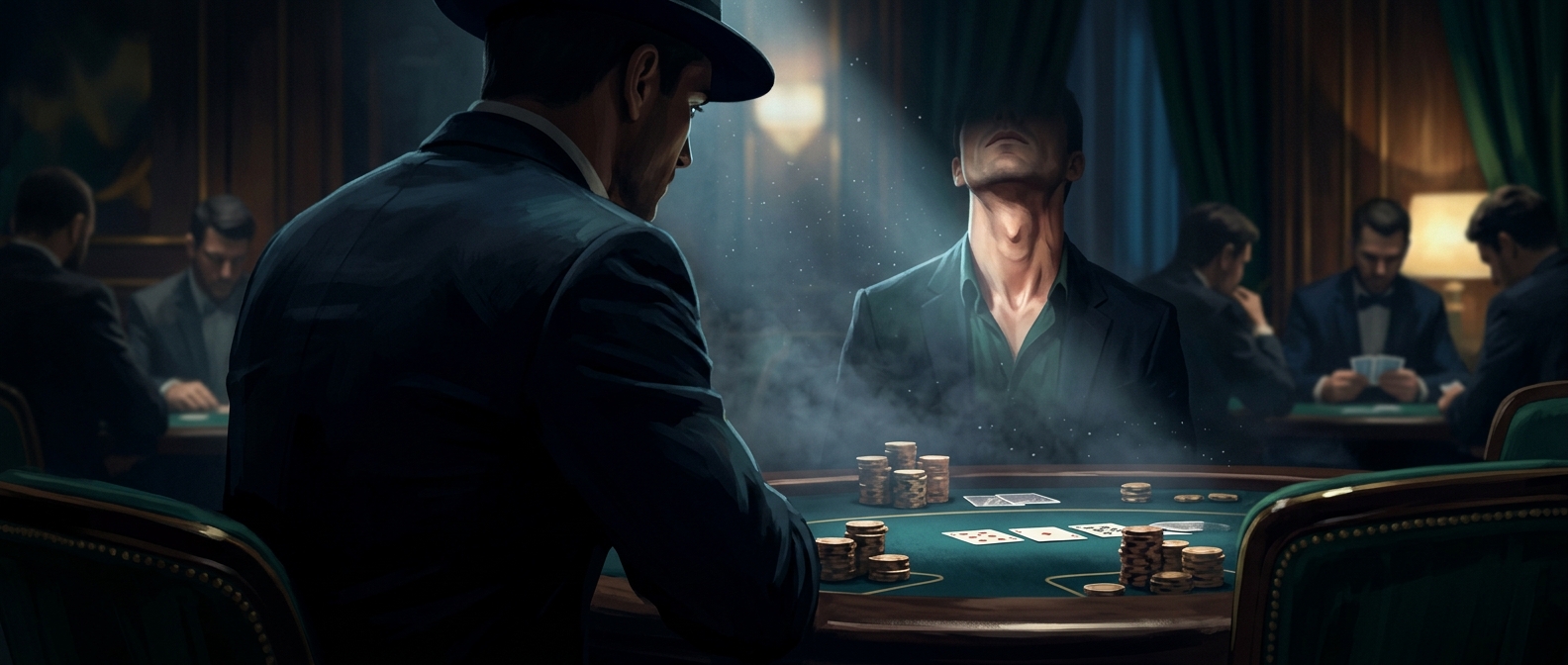
Why a Big Bluff Can Make a Poker Player’s Hands Shake
A player can decide to bluff; the body’s stress response is harder to control. When someone pushes a large bet into the pot while holding a weak hand, the possibility of being called—and losing the chips—can trigger an adrenaline surge. That can make the hands tremble, especially while reaching for chips or moving them across the table.
The same visible shake can have different causes. A player may be nervous, excited, cold, or simply have shaky hands. But in an amateur, a sudden tremor during a high-stakes bet can be a clue that the moment matters more to them than they want to show.
Why the Timing Matters
Poker players do not read a gesture in isolation; they compare it with a player’s usual behavior. A hand that routinely shakes is not much of a tell. A new tremor that appears just as the player makes an unusually large bet is more informative because it links the physical reaction to a specific decision.
That is why controlling the bet’s presentation can be part of bluffing. Experienced players may handle chips the same way whether they are strong or weak, reducing the contrast an opponent can notice. An amateur who focuses only on looking confident may overlook the movement of their hands.
A tremor is not proof of a bluff—nerves can accompany a strong hand, too. Its value is as one piece of evidence, weighed against the player’s habits and the situation. The revealing detail is often not the size of the bet, but the body’s reaction at the instant it is made.