Cork preserved the outline, not the life
Cork comes from the protective outer bark of cork oak trees. As this tissue matures, its cells die, and their contents break down; what remains is a honeycomb of tiny compartments bounded by sturdy walls. Under an early microscope, those repeated walls were much easier to see than the cells’ former contents.
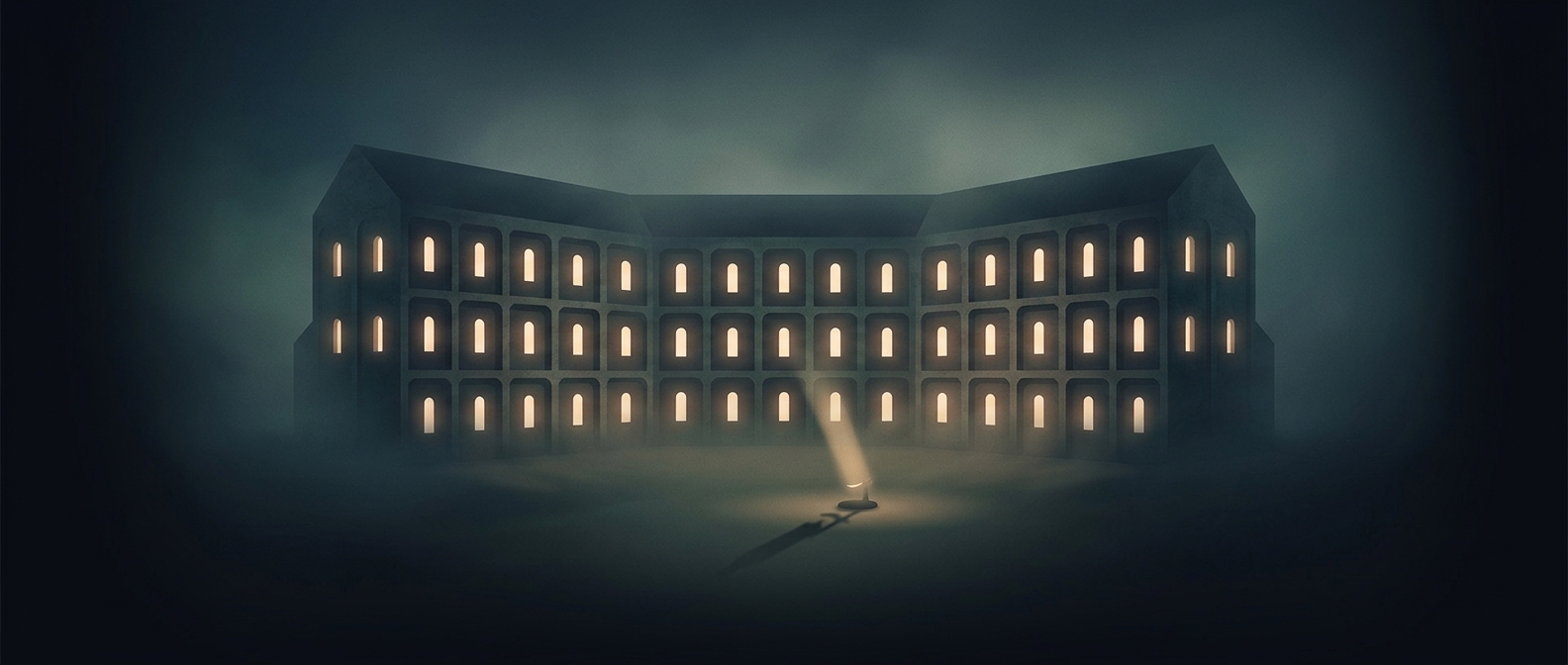
That is what Robert Hooke examined in the 17th century. Looking at a thin slice of cork, he saw a pattern of small enclosures and compared them to the modest rooms, or cells, occupied by monks. The label described the shape he could see—not a miniature living room filled with activity.
A name that outlived its first image
Later microscopes let researchers examine living tissue and see that cells are not merely empty boxes. Many contain fluid, structures, and molecular machinery that carry out the work of life. The word, however, remained useful: a cell is still a bounded unit, even when its interior is active and complex.
Cork therefore offered an unusually clear first view of cellular boundaries while hiding the living substance that makes cells function. The lasting name began with an image of compartments; biology gradually filled those compartments in.