Why a sugary drink can be followed by a slower response
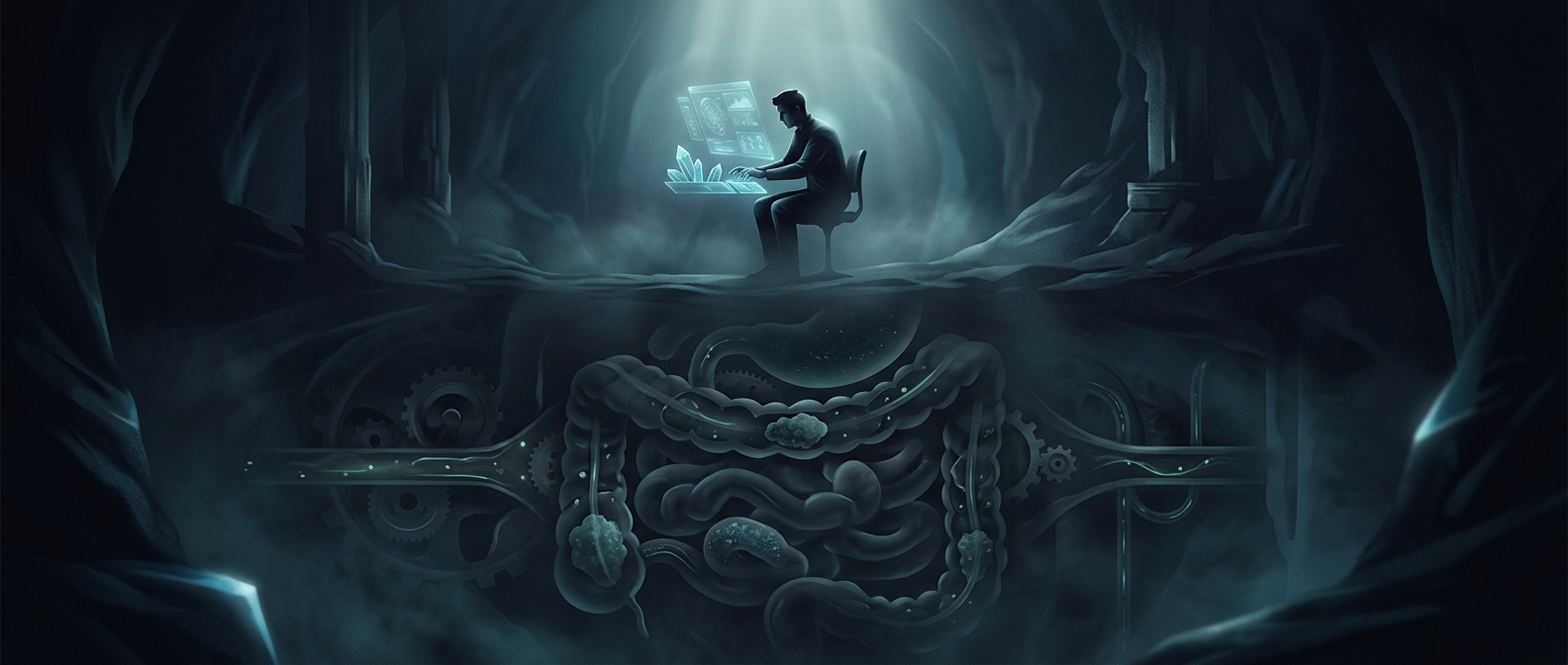
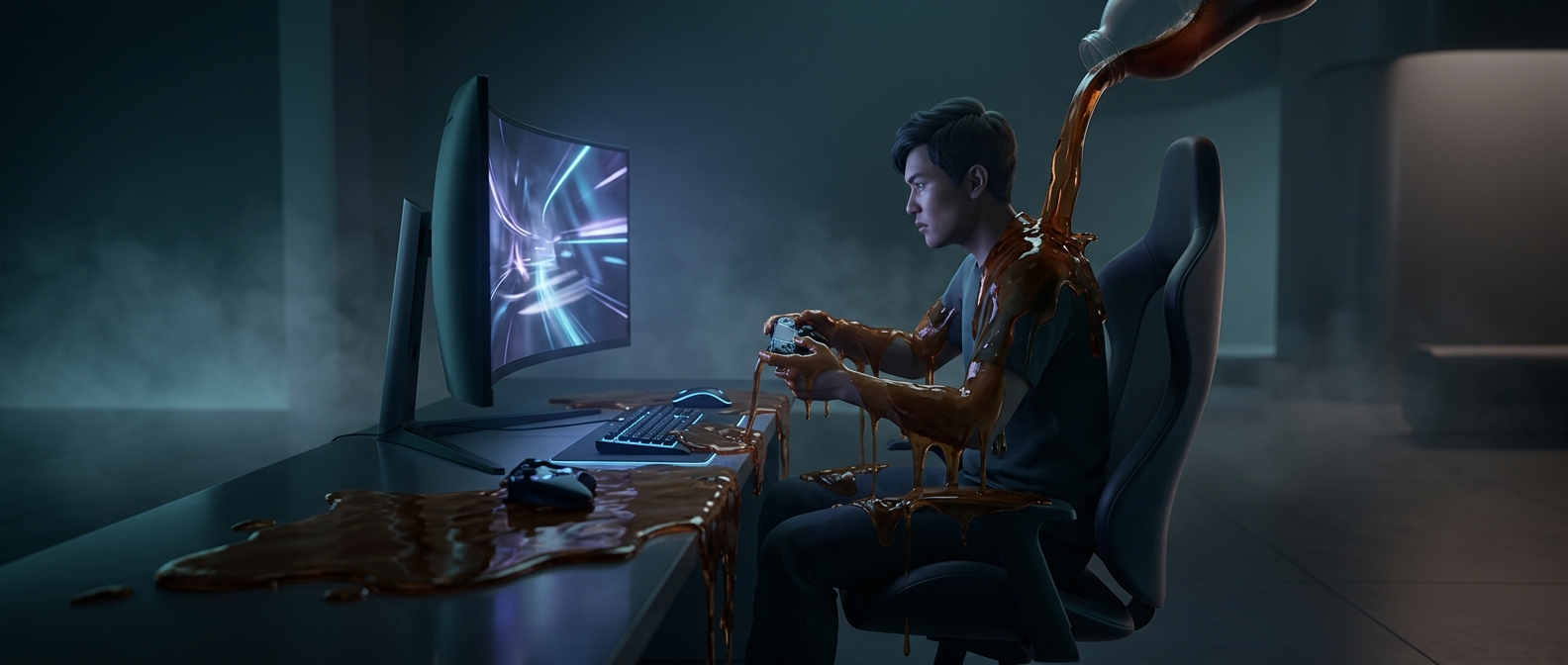
After a sweet drink, sugar enters the bloodstream quickly. The body responds by releasing insulin, a hormone that helps move glucose from the blood into cells. As blood glucose falls from its post-drink peak, some people may feel tired, shaky, or less focused. In a game, even a small lapse in attention can mean reacting a fraction too late to an on-screen cue.
The dip is not the same for everyone
The size and timing of that change depend on the person, the drink, and whether it was consumed with food. A sugary drink does not reliably send everyone’s blood glucose below normal, and a drop does not automatically impair reflexes. Reaction time also reflects sleep, stress, practice, and attention—not just what is in the bloodstream.
That makes the effect less like a universal “sugar crash” switch and more like a possible weak link in a chain: a fast glucose rise, a strong enough insulin response, and a noticeable change in energy or focus. The drink may also contain caffeine, which can alter alertness and make its effect harder to separate from the sugar’s.
What that means during play
A sweet drink may feel energizing at first, but that feeling does not guarantee steadier performance later. If someone notices a dip during a long session, the useful clue is the pattern—when the drink was taken and when concentration faded—not the assumption that sugar always slows reflexes. The possible crash is real for some people; it is not a guaranteed reaction-time penalty for every player.