Why a tense game can feel bad in your gut
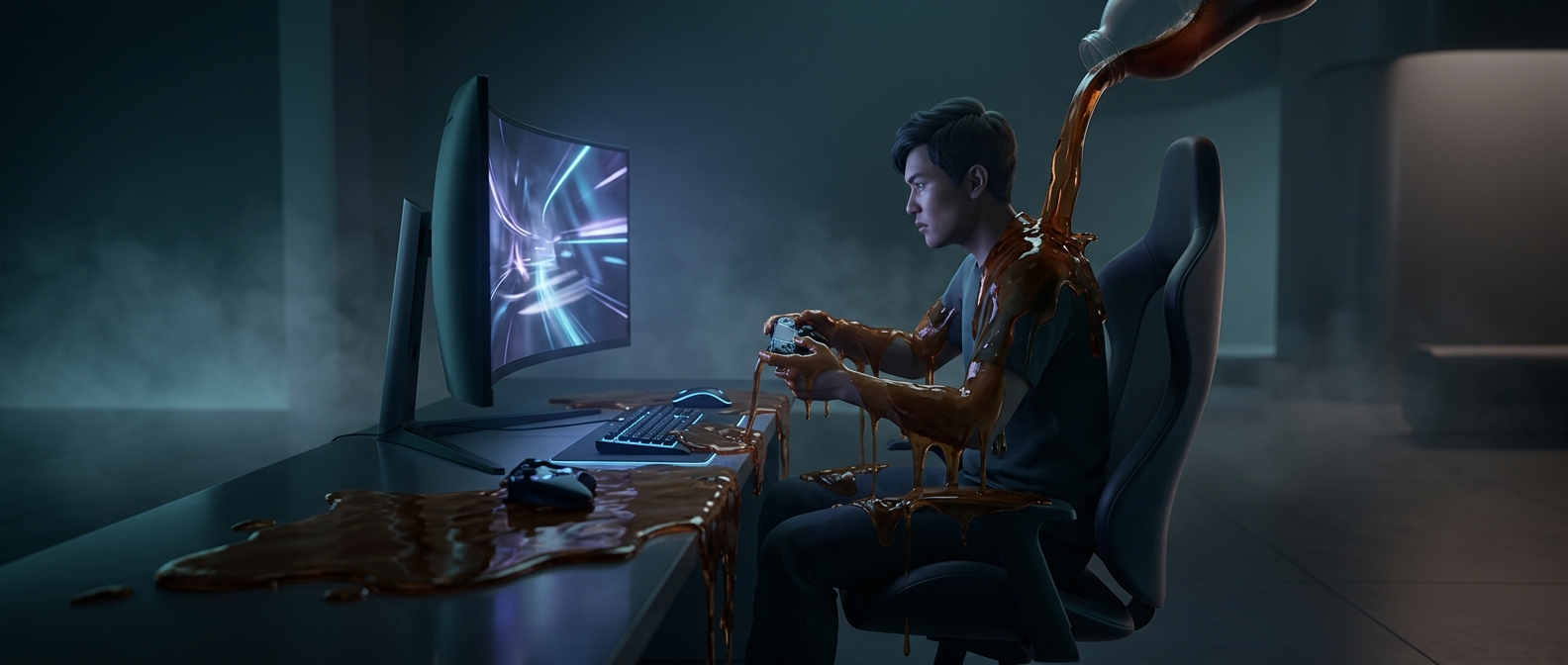
A close match can make the body react as if something urgent is happening. When concentration comes with pressure—such as a timer running down or a high-stakes decision—the nervous system can shift toward its fight-or-flight response. That response prepares the body for quick action, not for leisurely digestion.
Digestion does not stop, but its usual rhythm can change. Stress signals can affect how quickly the stomach empties and how strongly the intestines contract. Those changes may register as nausea, tightness, or a fluttering sensation. The brain and digestive tract also exchange signals, so tension can make ordinary gut sensations feel more noticeable.
Focus can add to the effect
The game itself is not the only factor. A player who holds their breath, tenses their abdomen, or stays hunched over may add physical strain. Long sessions can also mean delayed meals or too much caffeine, either of which can leave the stomach more sensitive.
That is why the feeling can appear during an intense moment and ease after the pressure passes: as the body settles, digestion can return toward its normal pattern. The stomach is part of the body's stress response, not a separate system that switches off when attention turns to the screen.