A new route beneath a crowded city
New York’s first subway offered more than a novel way to travel: it moved trains off streets already burdened by traffic. The underground line could carry large numbers of passengers along a direct route without competing with surface vehicles at every intersection. For riders, that meant a new kind of journey—below the familiar streets, at a speed and scale the city’s roadways could not easily provide.
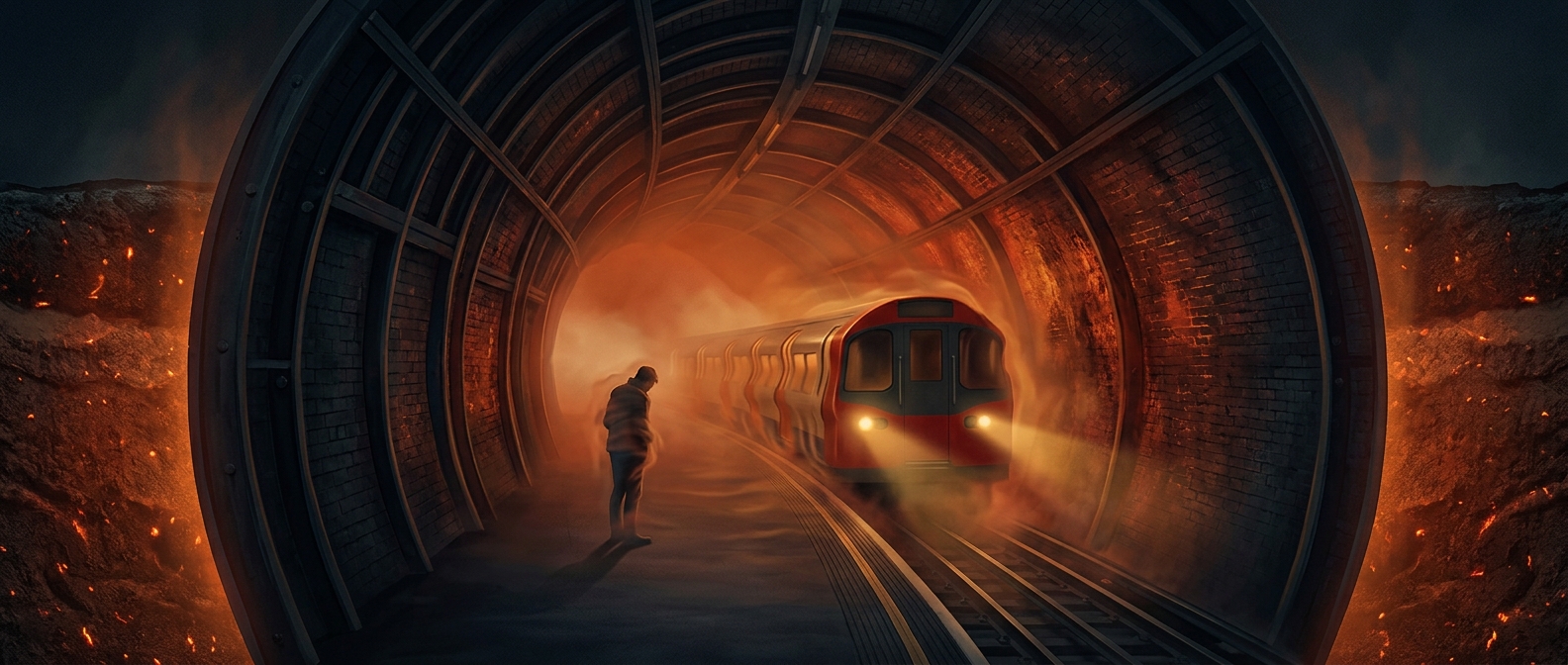
Building that route required turning streets into a construction site. Much of the early subway was made using cut-and-cover: workers opened a long trench, built the railway structure inside it, then covered it and restored the street above. That approach made it possible to construct a shallow tunnel beneath busy avenues, but it also brought the work directly into the city’s daily life.
A flower for the first ride
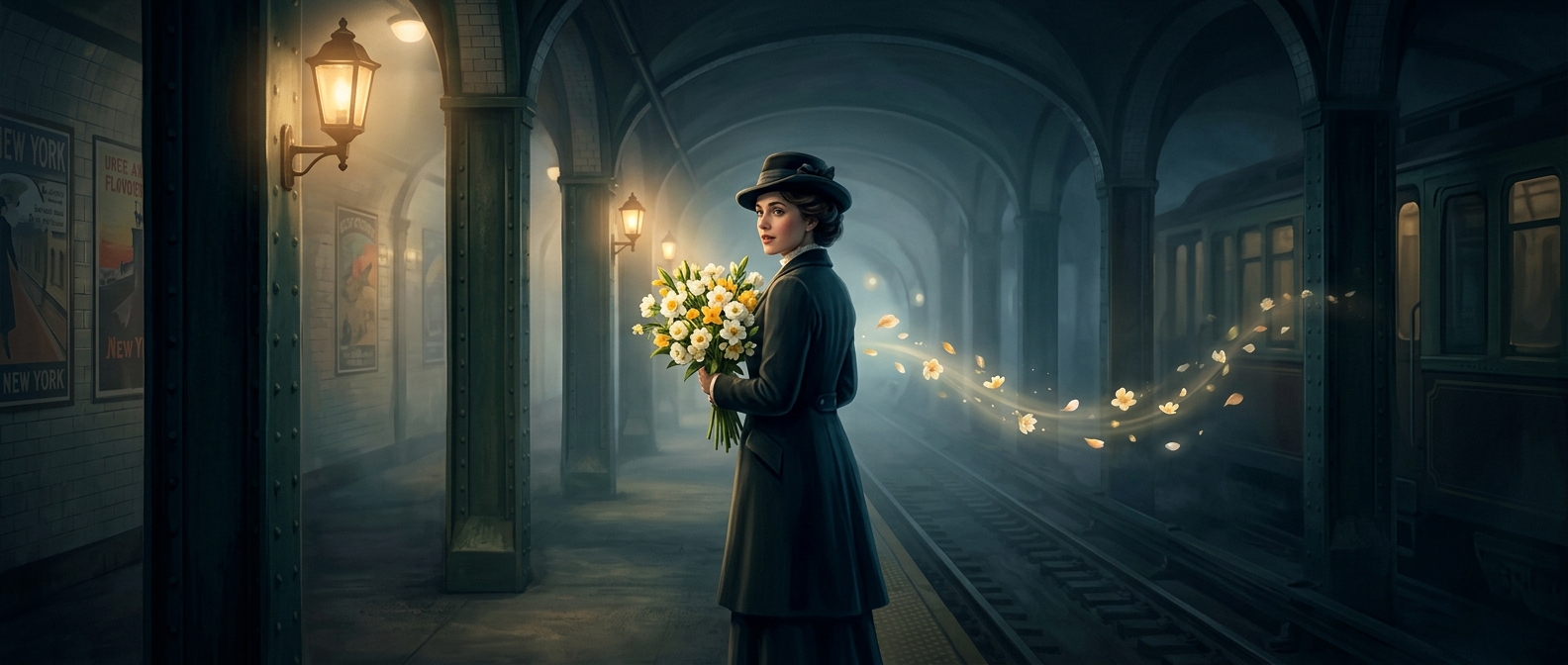
The free blooms gave the opening a human-sized touch. A vast underground railway was an engineering achievement, but a flower was something each passenger could hold—and a way to make an unfamiliar trip feel like a celebration rather than simply a technical test.
That contrast is part of what made the gesture memorable: the subway promised to reshape how New Yorkers crossed their city, while its first ride came with a small, tangible souvenir. Progress arrived underground, but passengers carried a piece of the celebration back up to the street.