How a Flat Belt Moves an Elevator
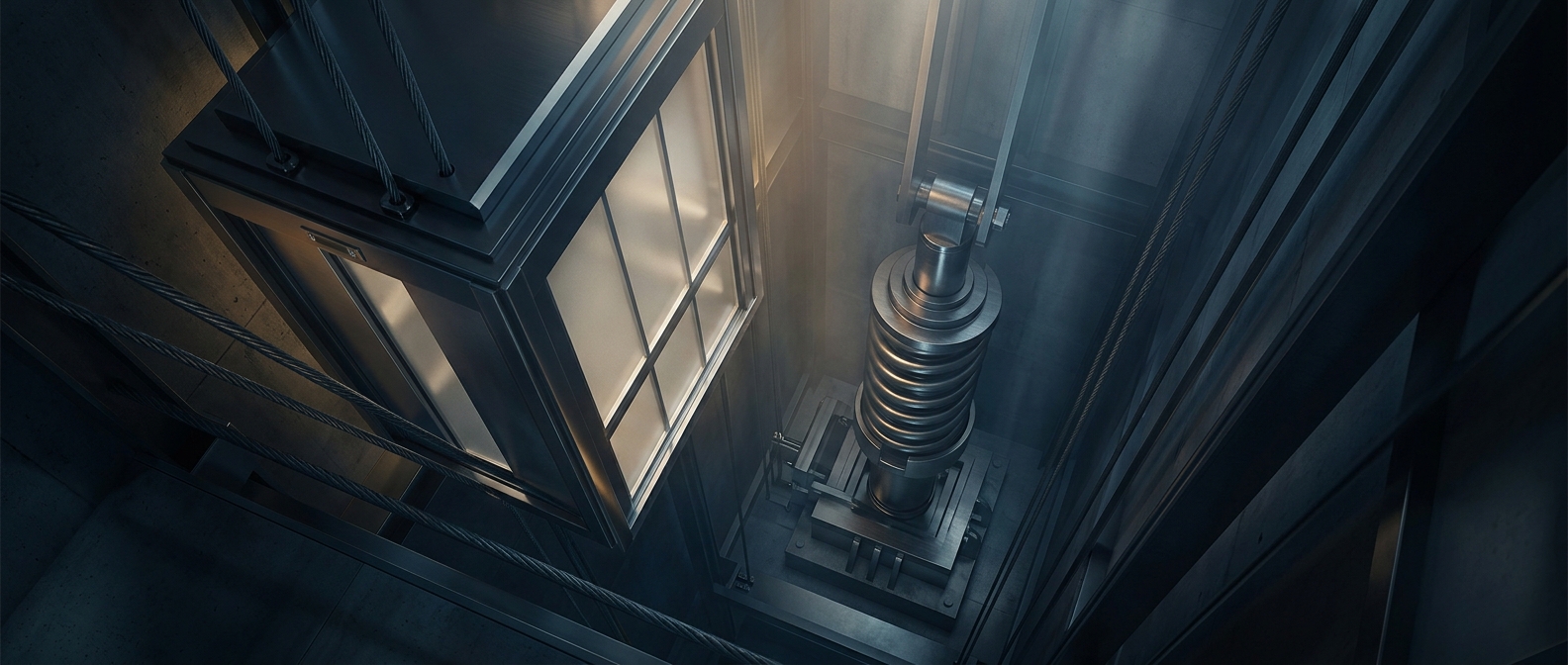
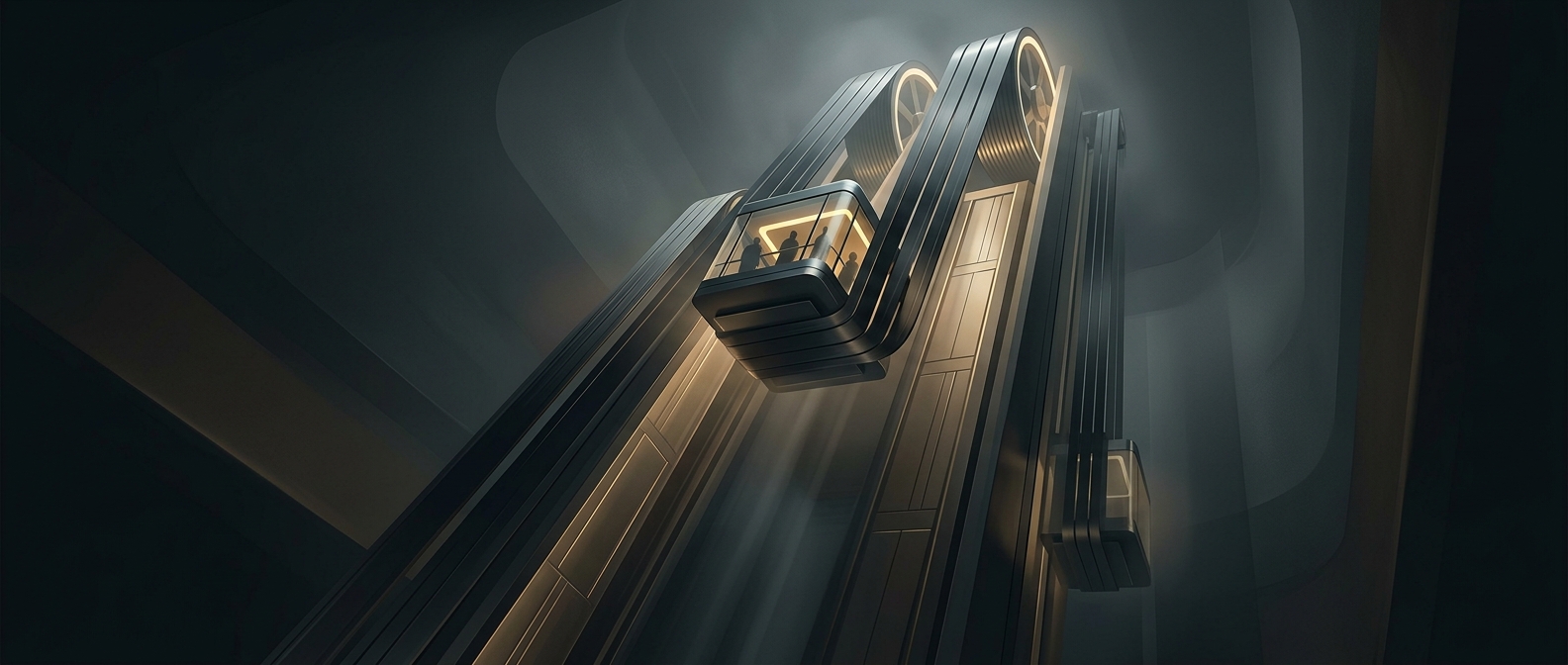
In a traction elevator, the car and a counterweight hang from the same set of flexible connectors, routed over a powered wheel near the top of the shaft. As the wheel turns, friction moves the connectors and raises one side while the other descends. The counterweight helps balance the car, so the motor does not have to lift the car’s full weight on every trip.
A flat belt performs the same basic job as a round rope, but packages its strength differently. Steel cords embedded inside the flexible outer coating carry the tension. The belt’s broad, thin shape can bend around a smaller wheel without requiring the thick bundle of material a conventional rope needs.
Why the Shape Matters in a Building
The wheel and drive equipment occupy space above or beside the elevator shaft. If the connectors can work around a smaller wheel, the machinery can be arranged more compactly. That can give designers more flexibility in a building where every bit of space around the shaft matters.
The coating also separates the steel cords from the wheel and from the surrounding environment. The key engineering balance is that the belt must remain flexible enough to travel repeatedly around the wheel while its hidden cords withstand the forces of moving the car and counterweight. The result is a change in how the elevator system fits into a building—not a change in the basic up-and-down principle.