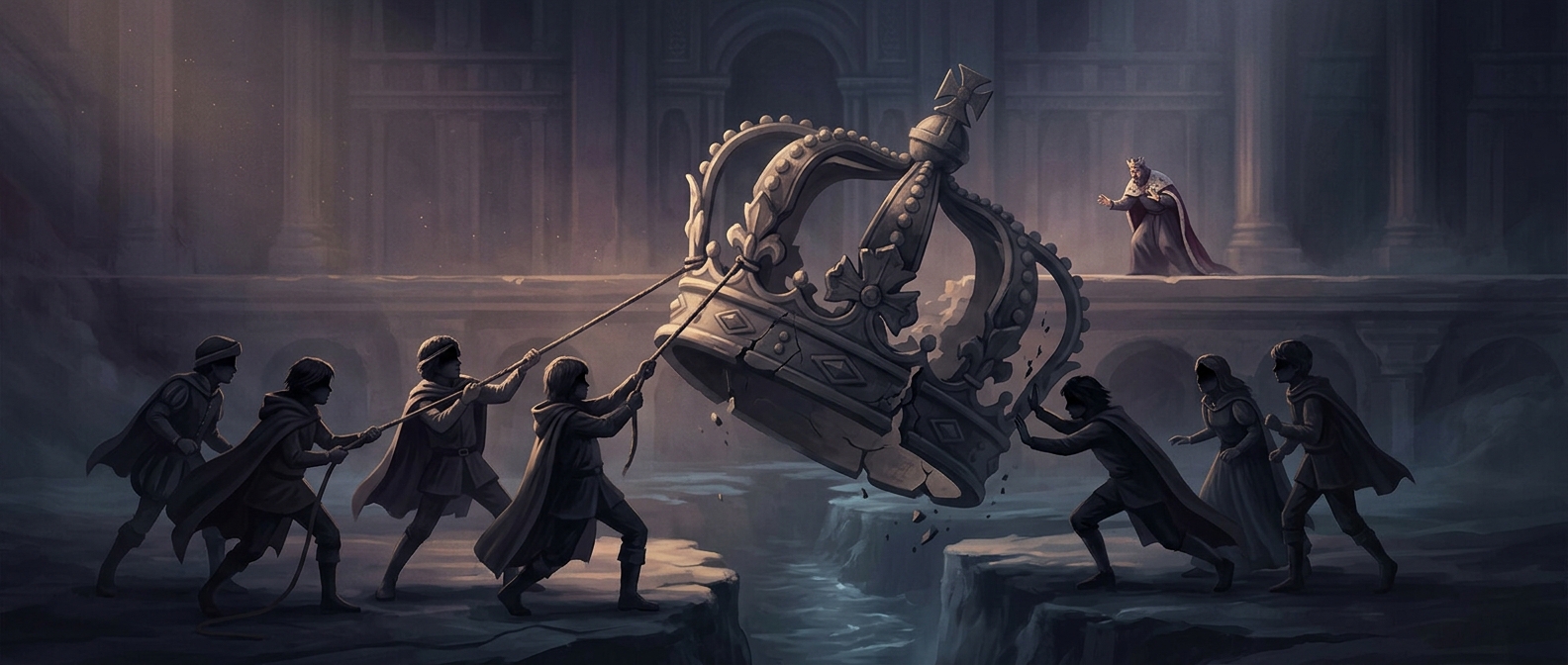
A poem could travel where a lesson could not
After the Polish revolt against Russian rule in the 1830s, control of schools and public life made Polish language and history harder to teach openly. A poem offered a different kind of classroom: once learned, it needed no book, teacher, or permitted gathering to be carried from one person to another.
Verse is especially suited to memory. Rhythm, rhyme, and repeated phrases give the mind cues for what comes next. A child who heard a poem at home could recite it elsewhere, and another listener could learn it without handling a forbidden text. Its smallness was its strength: a few remembered lines were difficult to confiscate.
Words preserved a shared past
A poem could do more than keep Polish words in circulation. Images of homeland, loss, or resistance gave listeners a shared way to think about a country whose political independence had been suppressed. Reciting the same lines could connect people across households and generations, even when public instruction offered little room for that connection.
This was not a substitute for armed resistance, nor could memorized verse undo Russian power. Its effect was quieter and more durable: it helped keep a language and a sense of collective belonging present in ordinary speech. A lesson could be removed from a classroom; lines carried in memory could be spoken again after the door closed.