How a yell can function as a trademark
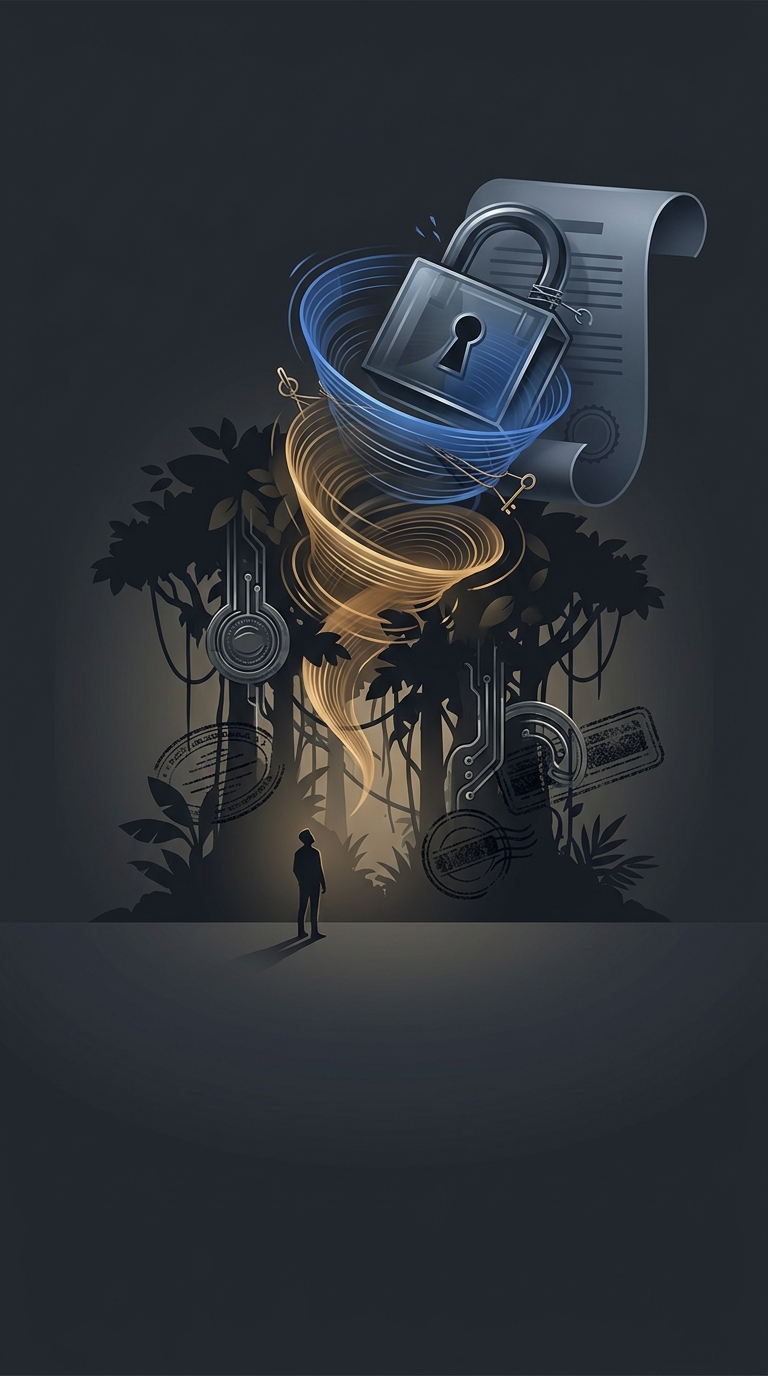
A trademark usually makes people think of a name or logo. But U.S. trademark law can also recognize a sound when it consistently helps consumers identify who is behind a product or service. In that role, a sound works like a label heard rather than read.
Disney’s claim concerned the recognizable sequence known as the Tarzan yell. The point of registering it was not to own every shout that sounds similar, but to protect the distinctive sound as a commercial identifier in the uses covered by the registration. The legal test is about what the sound tells consumers—not simply who first came up with the idea of a jungle hero shouting.
Why the estate’s claim was different
Edgar Rice Burroughs’s estate had a separate basis for asserting rights: Burroughs created the Tarzan character and stories. But owning rights associated with a character does not automatically mean owning every sound later used to portray that character. A trademark office considers whether a claimed mark meets trademark requirements, including whether it identifies commercial source.
That distinction helps explain why the estate’s attempt to claim the yell could be rejected while Disney’s sound-based trademark could be recognized. The claims asked different legal questions: one concerned the estate’s asserted control over the yell; the other treated a particular, recognizable sound as a brand signal.
Protection with a defined reach
A sound trademark is not a blanket ban on similar vocalizations. Its reach depends on the registered mark and the goods or services involved. In practice, the Tarzan yell can therefore be both an expressive performance and a protected identifier when used commercially in the relevant context.
That is what makes the case memorable: a sound people recognize as a character’s cry can also do the quiet work of a logo, signaling whose entertainment they are hearing.