How a speed bump becomes a “sleeping policeman”
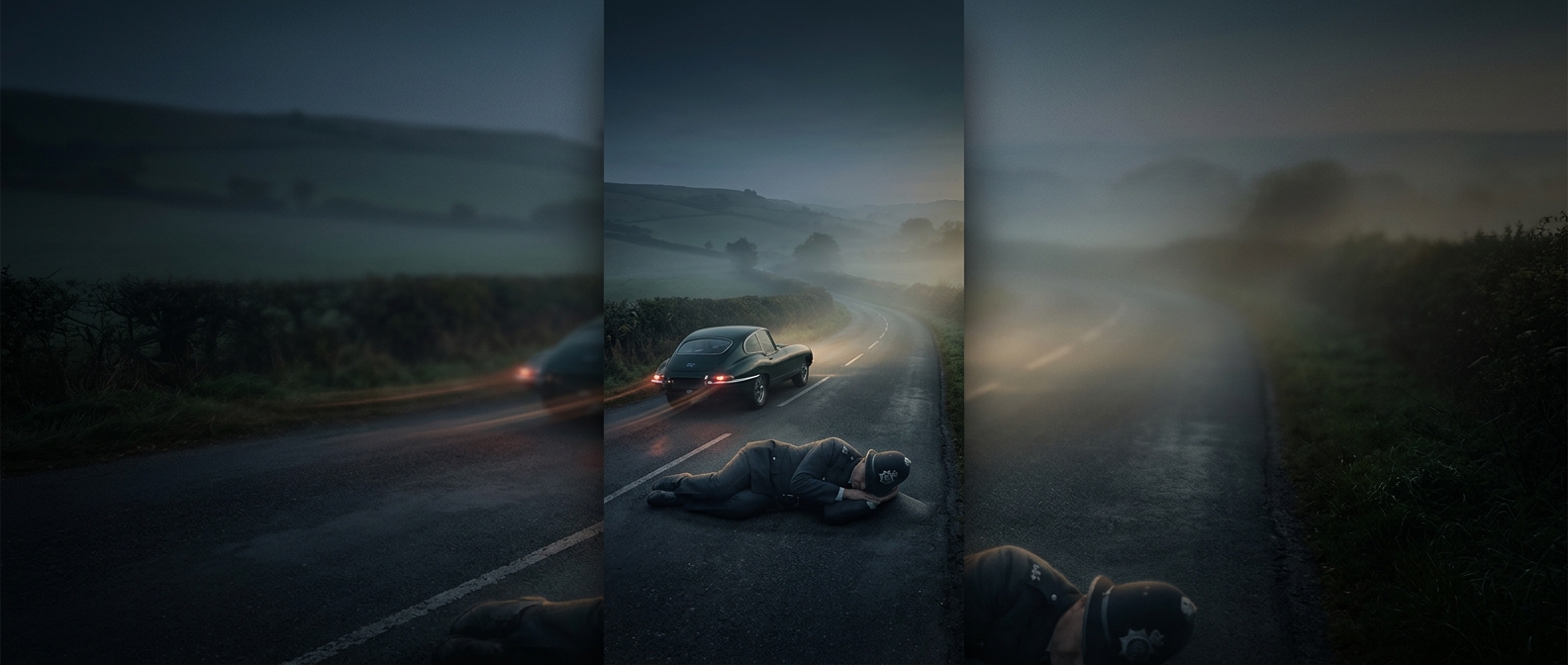
The nickname captures the obstacle’s job: it makes drivers slow down without anyone standing in the road to direct them. A raised strip across the carriageway interrupts the smooth path a car expects, prompting the driver to brake or risk a jolt. In Britain, that resemblance to a uniformed officer lying across the road gave the hump its memorable name.
The bump turns speed into discomfort
A vehicle’s suspension—the springs and dampers that cushion movement between its wheels and body—can absorb small irregularities. A speed bump is deliberately large enough to make crossing it at speed uncomfortable. The faster the car meets the raised surface, the more abruptly its wheels and body have to move, and the greater the jolt felt by occupants.
That creates a simple tradeoff: drivers can approach slowly and cross with less disturbance, or keep their speed and feel the consequence. The road feature does not need to detect or chase anyone; its shape supplies the warning every time a vehicle reaches it.
Why the image stuck
“Sleeping policeman” makes the bump sound both human and faintly comic: an officer has sprawled across the road, blocking the way until traffic behaves. The joke also points to the device’s practical limit. It can encourage slower driving at that spot, but its effect comes from the physical obstacle itself—not from a person enforcing the rule.