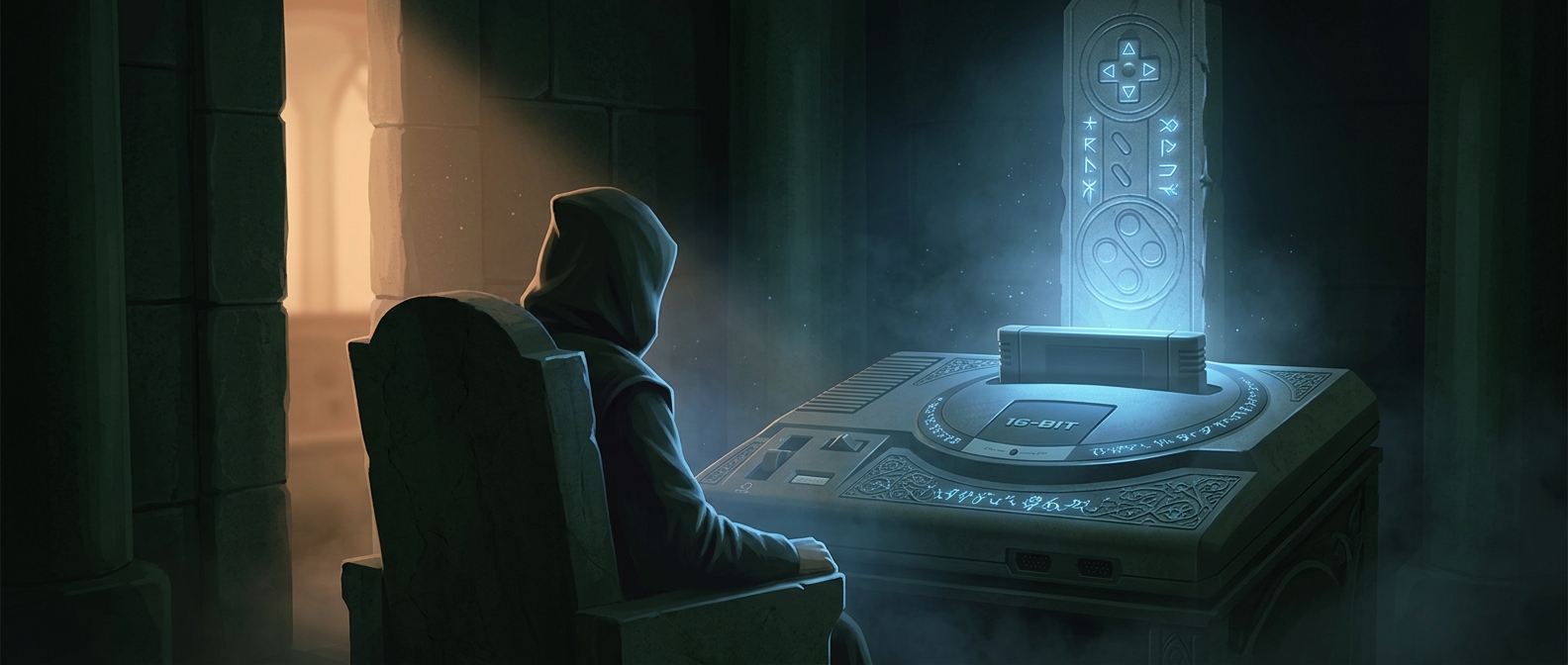
Why Mortal Kombat’s blood took a code on Sega
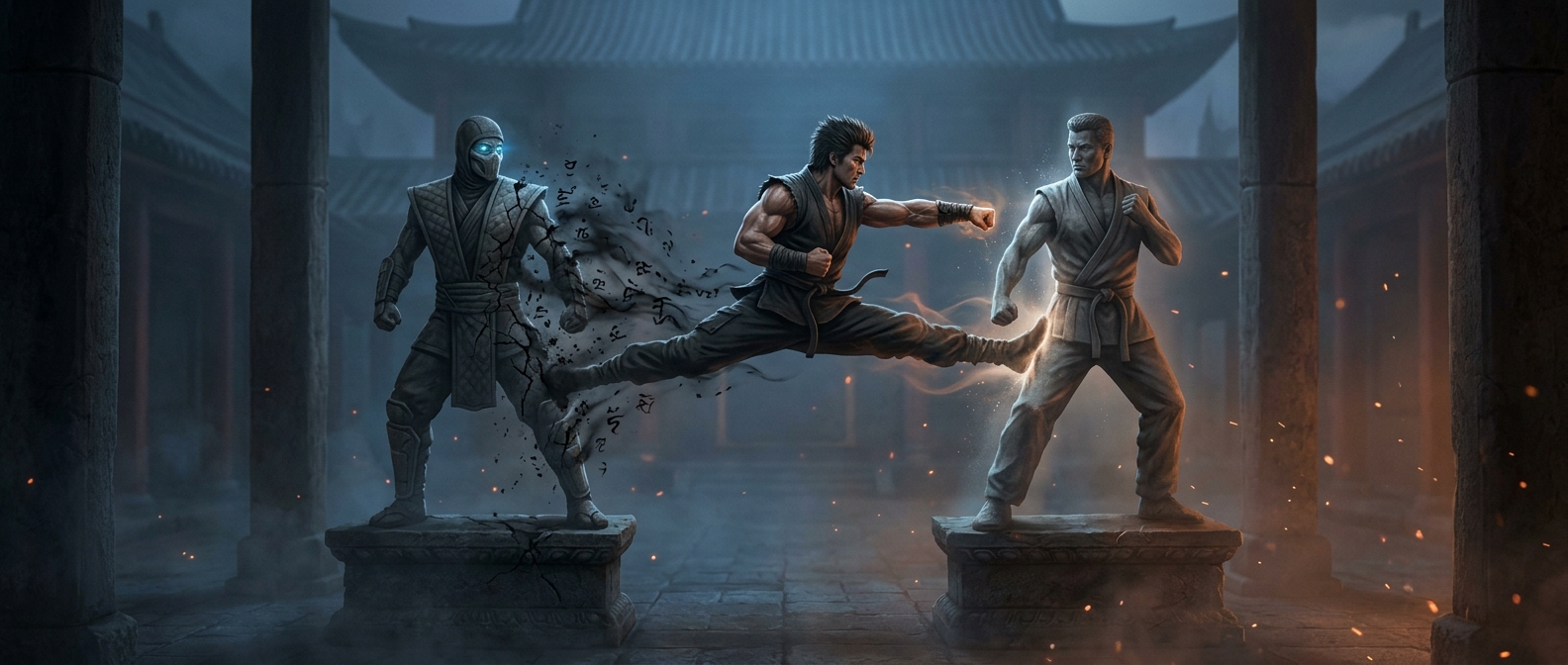
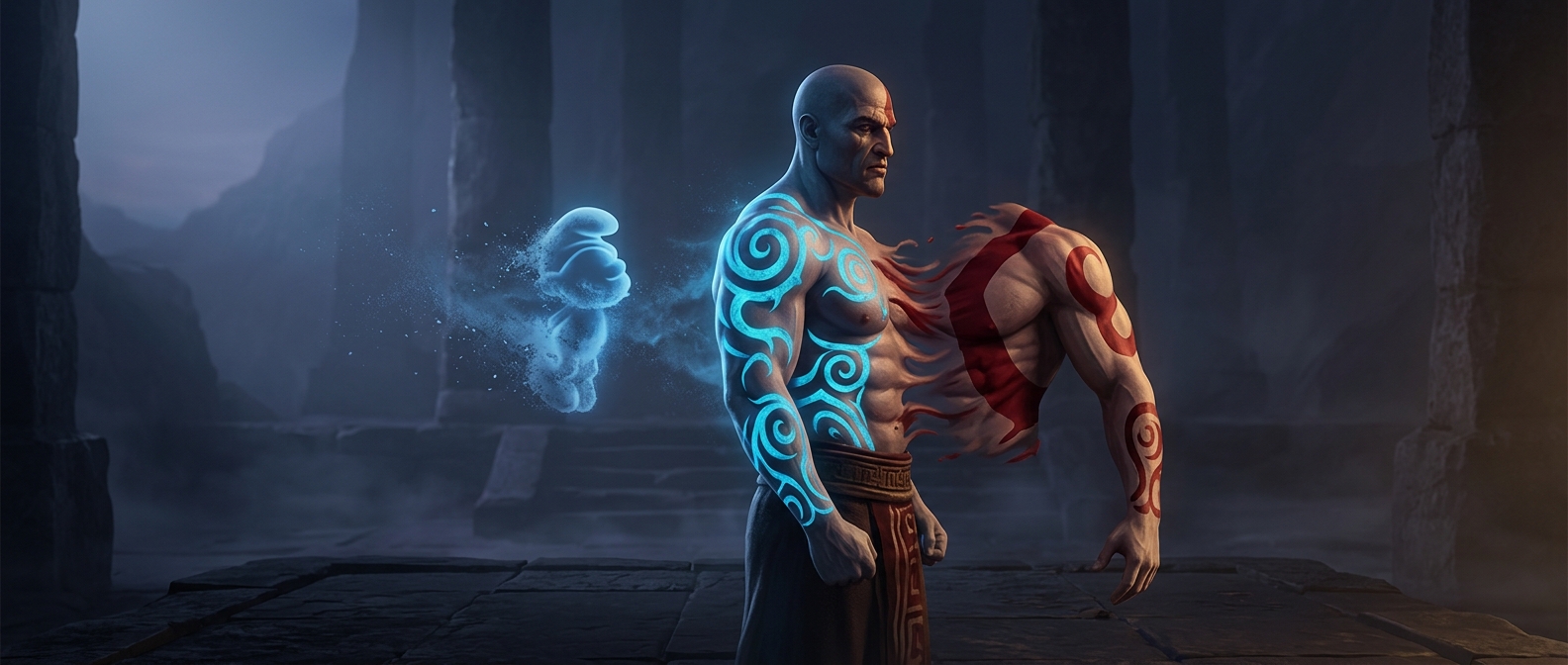
When Mortal Kombat reached home consoles in 1993, the versions did not show the same game. Nintendo’s Super NES release replaced the fighters’ red blood with gray sweat and altered some of the arcade game’s finishing moves. Sega’s Genesis version also concealed its blood and gore at first—but players could restore them with a button sequence.
A small gate around a big difference
The Genesis code, A-B-A-C-A-B-B, worked as an unlock rather than a gameplay move. Entered at the title screen, it enabled the uncensored blood and fatalities. In practical terms, Sega’s version kept the more graphic content in the game while making players perform an extra step to see it.
That distinction mattered because Mortal Kombat’s appeal depended partly on its startling finishing moves: after winning a fight, a player could perform a dramatic, often violent “Fatality.” Removing or changing those moments altered the game’s punchline as well as its appearance. Gray sweat might preserve the animation, but it changed what the player saw—and how the game felt.
Two platforms, two approaches to controversy
The contrast reflected different content decisions by the console makers, not a technical limitation of the machines. Nintendo’s version presented a more heavily edited game; Sega’s code made the original arcade-style gore available to players who knew how to unlock it. The sequence also turned access into a secret shared among players: a few button presses could reveal that the Genesis cartridge contained something its opening presentation kept hidden.
That difference helped make the code memorable. It was not merely a shortcut to a bonus—it exposed how much a platform’s rules could reshape a game, and how a hidden option could let one version push past its own restraint.