A tavern game built around bluffing
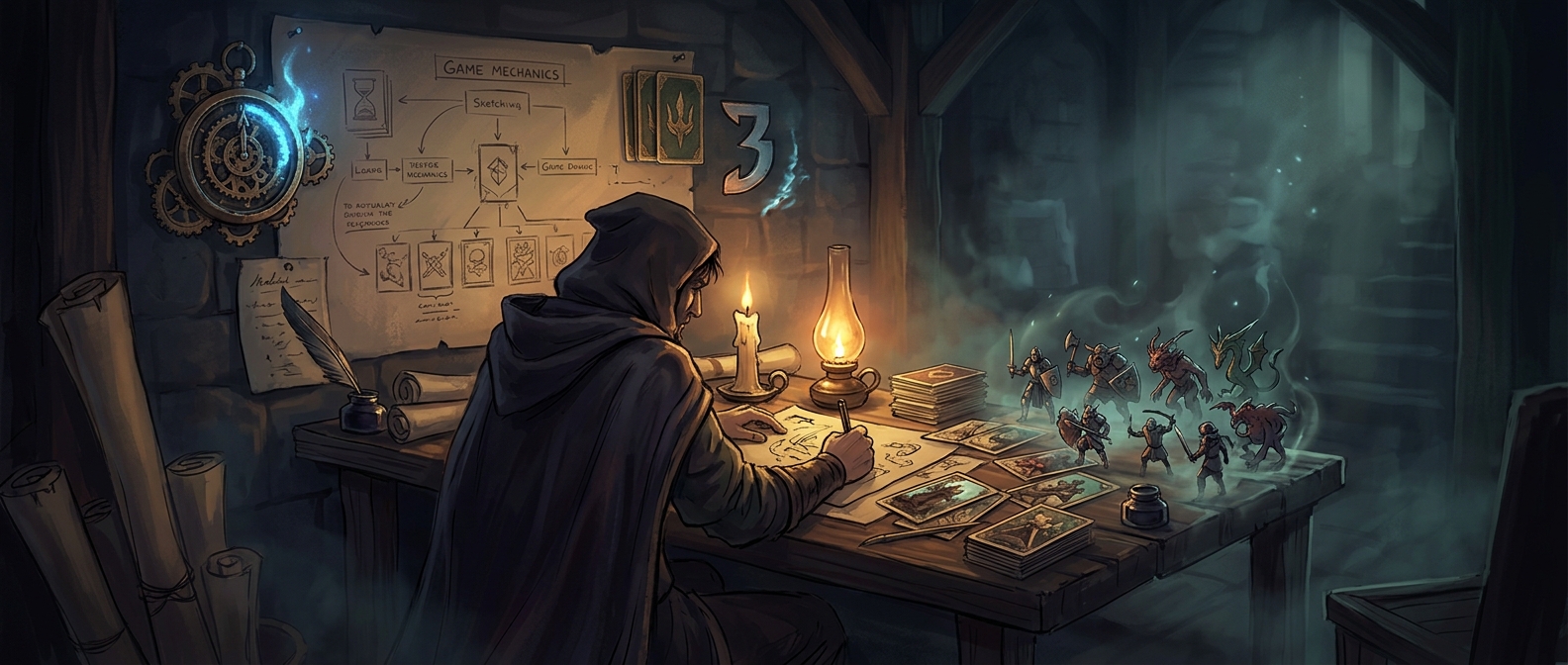
Gwent had to feel like something people in the world of The Witcher 3 might actually play: quick to learn, competitive, and tempting enough to pull Geralt away from his next job. The developers’ reported three-day deadline pushed them toward a compact card game rather than a sprawling system of rules.
Its central idea is a contest of restraint. Players build strength across three rows, but winning a round does not always mean playing every powerful card they have. A player can pass—stop adding cards for the moment—and try to make the opponent spend more resources to claim the round. That turns a tavern match into a test of bluffing: is the other player holding back, or running out of options?
Why the rules fit the world
The game’s short rounds made it easy to encounter as an activity inside a much larger adventure. Yet its strategic decisions gave it more staying power than a simple diversion. Cards represented characters and forces from the Witcher setting, so collecting them also connected play to the world outside the match.
That balance mattered. A tavern game needed to be understandable at a glance, but repeated matches needed room for clever choices. The row-based layout gave cards distinct roles, while the pass mechanic let players win through timing as well as raw strength. The result was a game that could be taught quickly but still reward players who learned when not to play a card.
The reported bathtub brainstorm is memorable because the design’s lasting hook is similarly compact: sometimes the strongest move is to make your opponent act first.