Why a familiar figure can wear a new identity
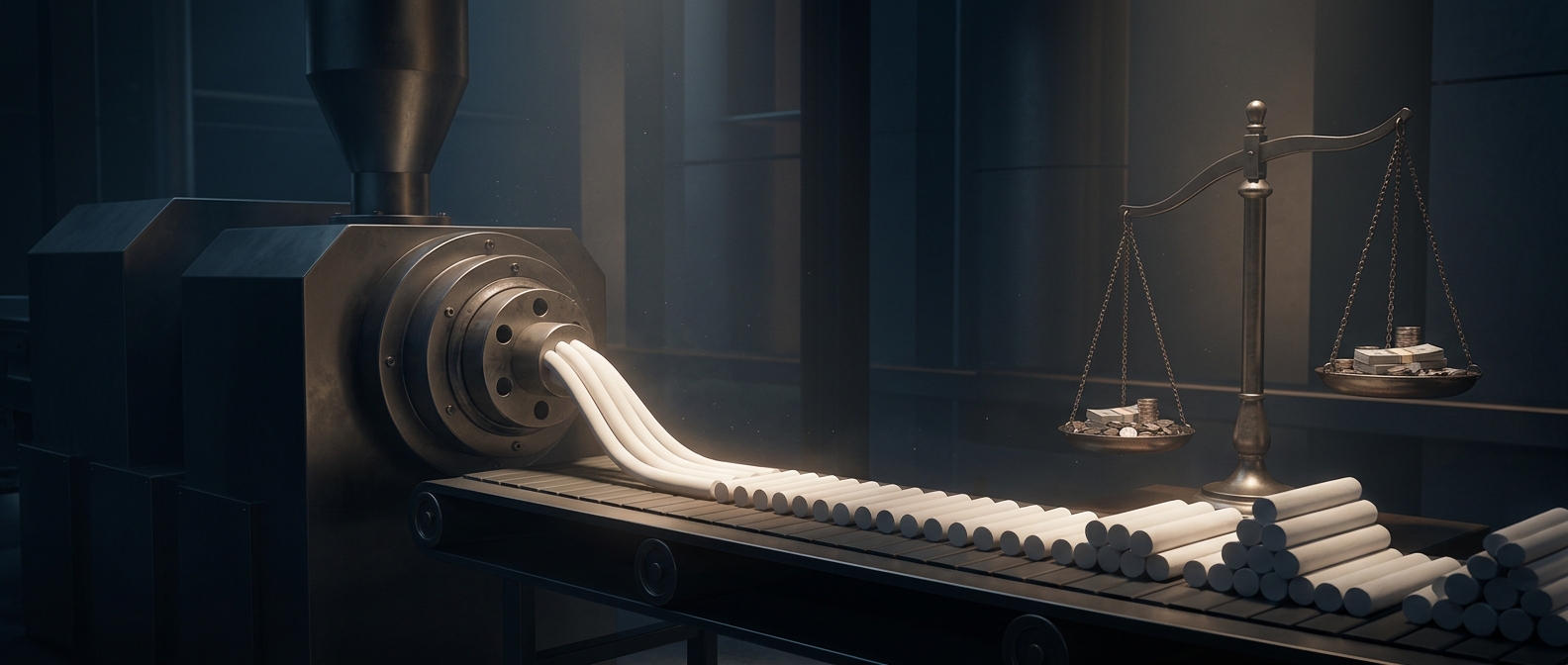
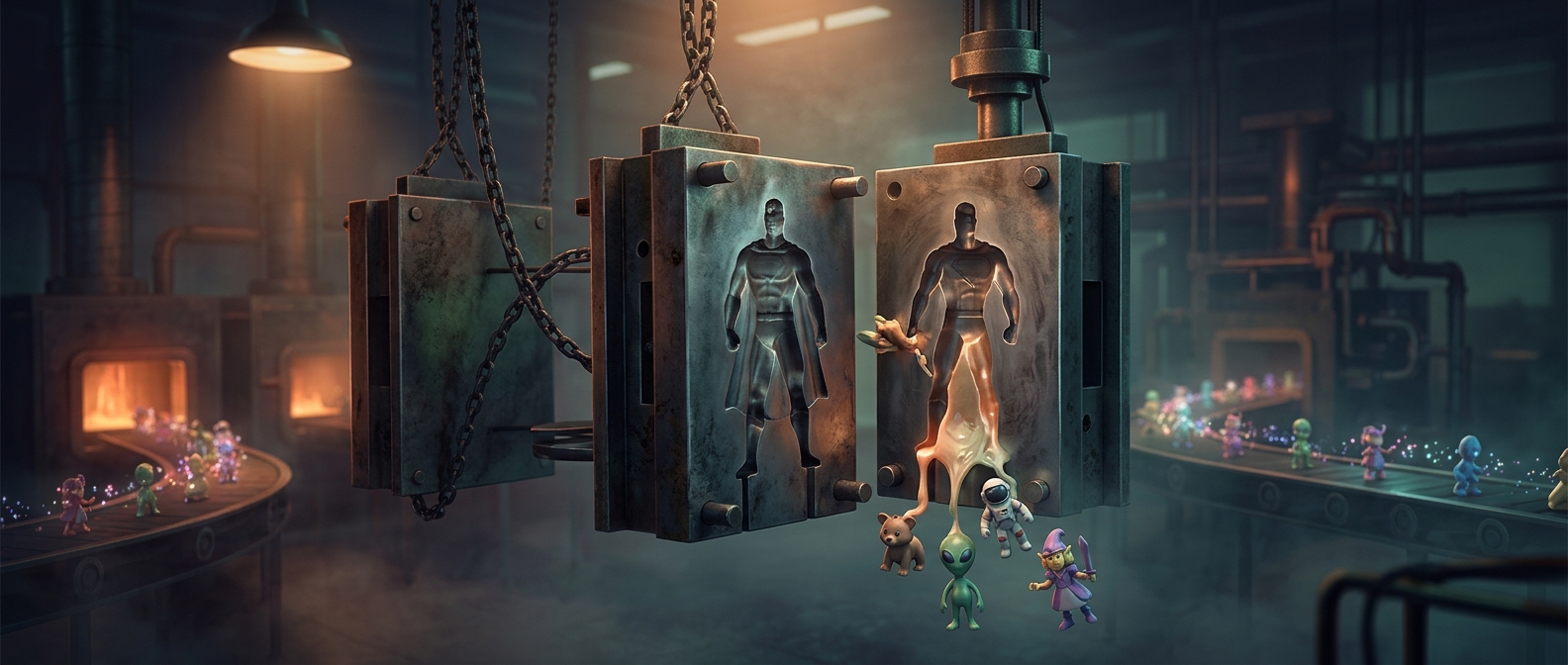
An action figure’s body is more than a sculpted shape: it is also a production tool. A mold is a precision-made cavity into which plastic is injected and allowed to cool. Designing and making a new mold takes time and money, so using an existing body for another character lets a toy maker spread that investment across more products.
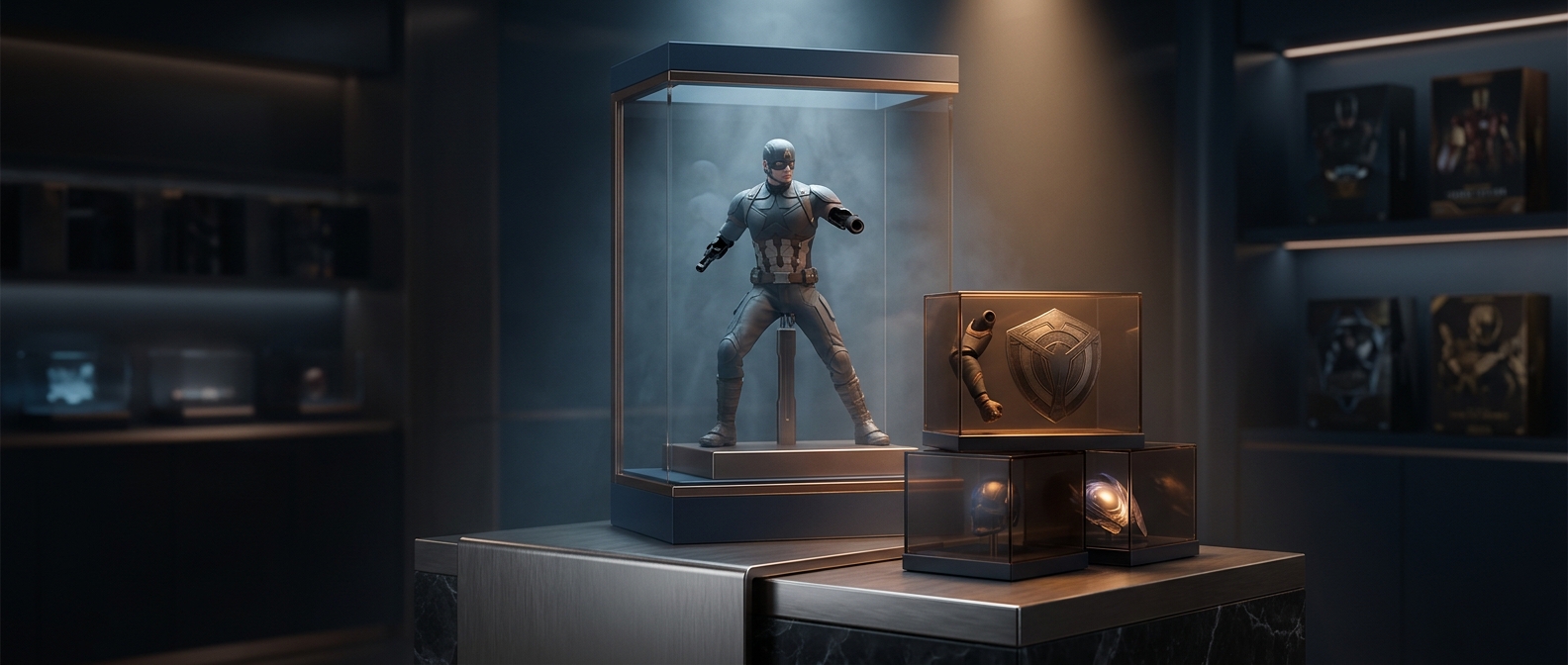
The new version may get a different color scheme, head, hands, or accessories while keeping much of the same underlying form. Those changes can make a recognizable character without requiring every part to be newly engineered. Reuse is especially useful when two characters can plausibly share a build or outfit; it is less helpful when a character’s distinctive proportions demand a different shape.
The tradeoff behind the repaint
Reuse can reduce design and manufacturing costs, but it also limits what the figure can look like. A paint job can change the surface, not the body’s sculpted details. A new head or accessory adds character-specific features, but each added part still has to be designed, made, and fitted into the production plan.
That creates a practical balance: invest in new tooling where a character’s shape matters, and reuse parts where the difference can be expressed through color or a few components. The result is a toy line built partly from shared pieces—a production shortcut that can also make figures feel less distinct when the underlying body is too familiar.