Why Ojos del Salado’s height does not guarantee a glacier
At nearly 6,900 meters, Ojos del Salado is the highest active volcano on Earth. Yet a summit can stay below freezing and still fail to build a lasting ice cap. A glacier forms only when snow accumulates year after year faster than it melts, evaporates, or is carried away by wind. Cold helps preserve snow; it cannot supply the snow in the first place.
The missing ingredient is steady snowfall
Ojos del Salado rises in the dry Andes near the Atacama, where rain and snow are scarce. Regional atmospheric patterns keep much of the moisture away, so the mountain receives too little regular snowfall to replace what the sun, wind, and sublimation remove. Sublimation is the direct change of ice or snow into water vapor, without first melting. At high, exposed elevations, it can steadily drain a snowfield even when temperatures remain low.
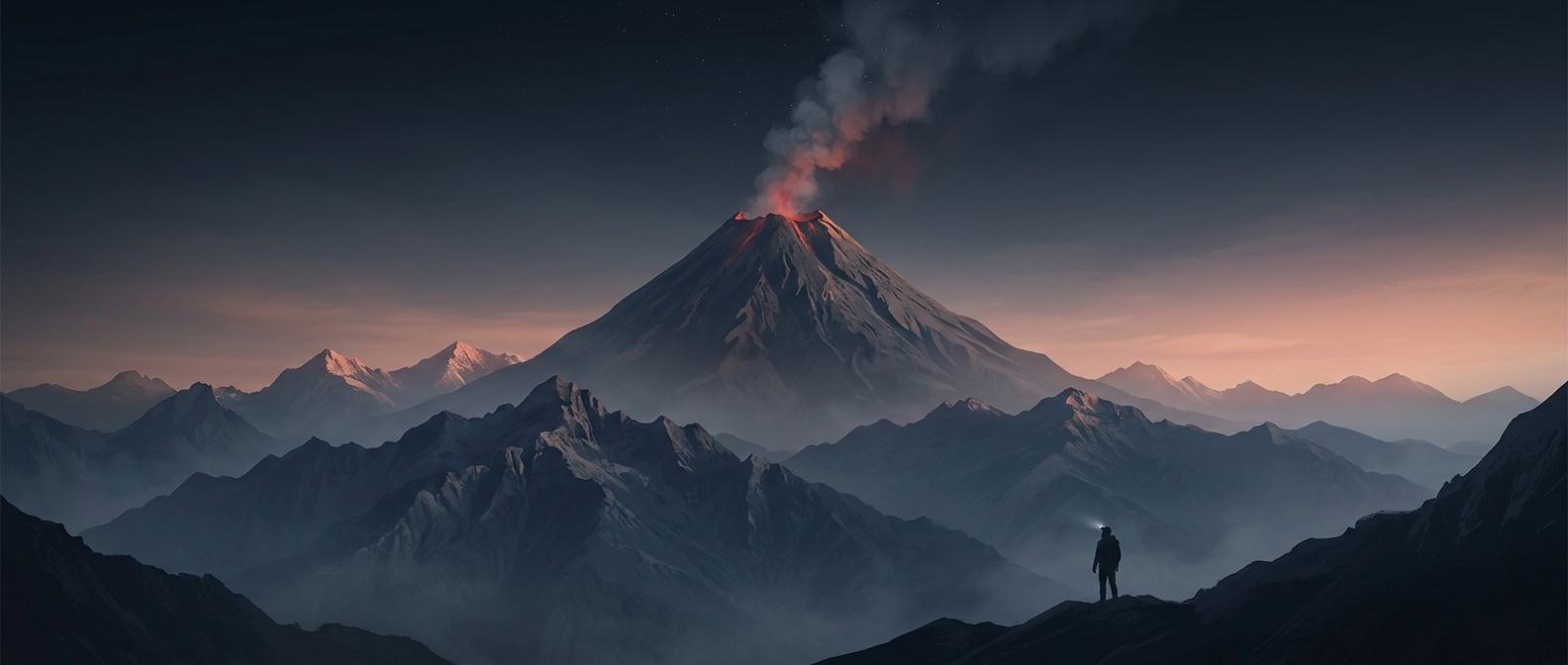
Snow may still appear after a storm, and patches of snow or ice can persist in sheltered places. But scattered, temporary deposits are not the same as a broad ice cap sustained by a long-term surplus of snow. The mountain’s stark summit is a visible reminder that altitude sets the conditions for ice to survive—not the supply needed to build it.