A closer look
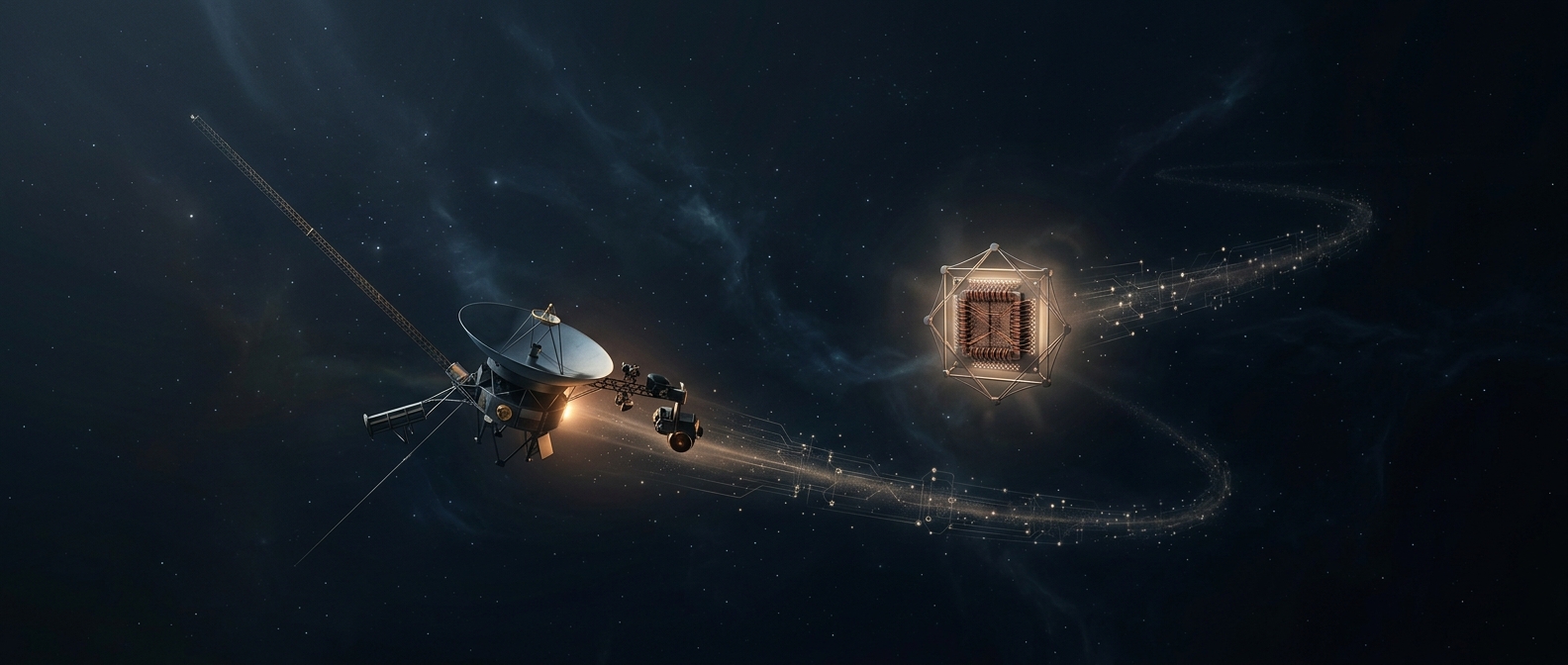
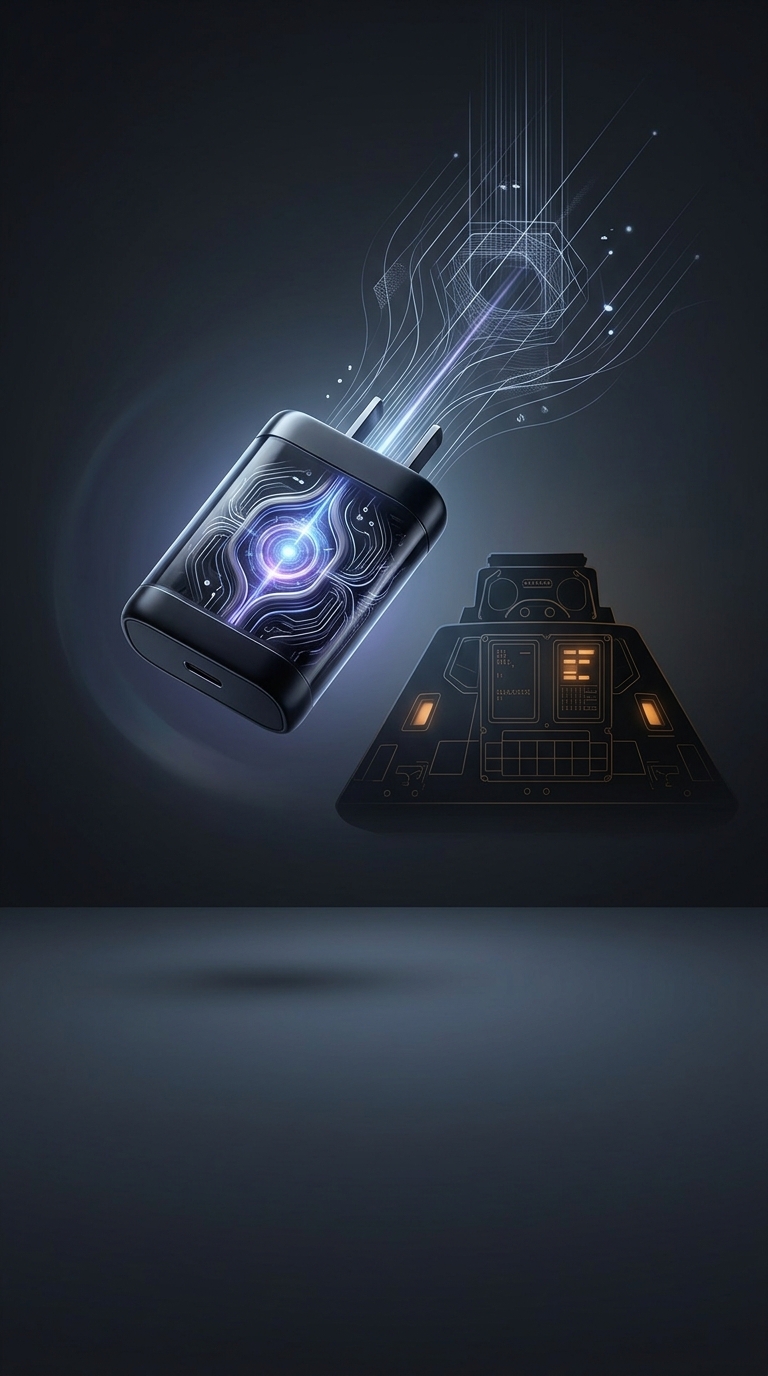
Modern smart phone battery chargers frequently contain built-in microprocessors that possess significantly more raw computing power than the Apollo Guidance Computer used to navigate astronauts to the moon in 1969. While NASA engineers utilized precisely 72 kilobytes of read-only memory to mathematically orchestrate an impossibly complex lunar landing and bring three human beings safely back through the Earth's atmosphere, we now routinely deploy vastly superior processing architectures for the singular purpose of ensuring our phones charge five minutes faster without spontaneously catching fire. It really puts humanity's technological trajectory into perspective when you realize our pocket lint-covered wall adapters are objectively smarter than the machines that conquered the space race