How a roller-coaster jolt could move a kidney stone
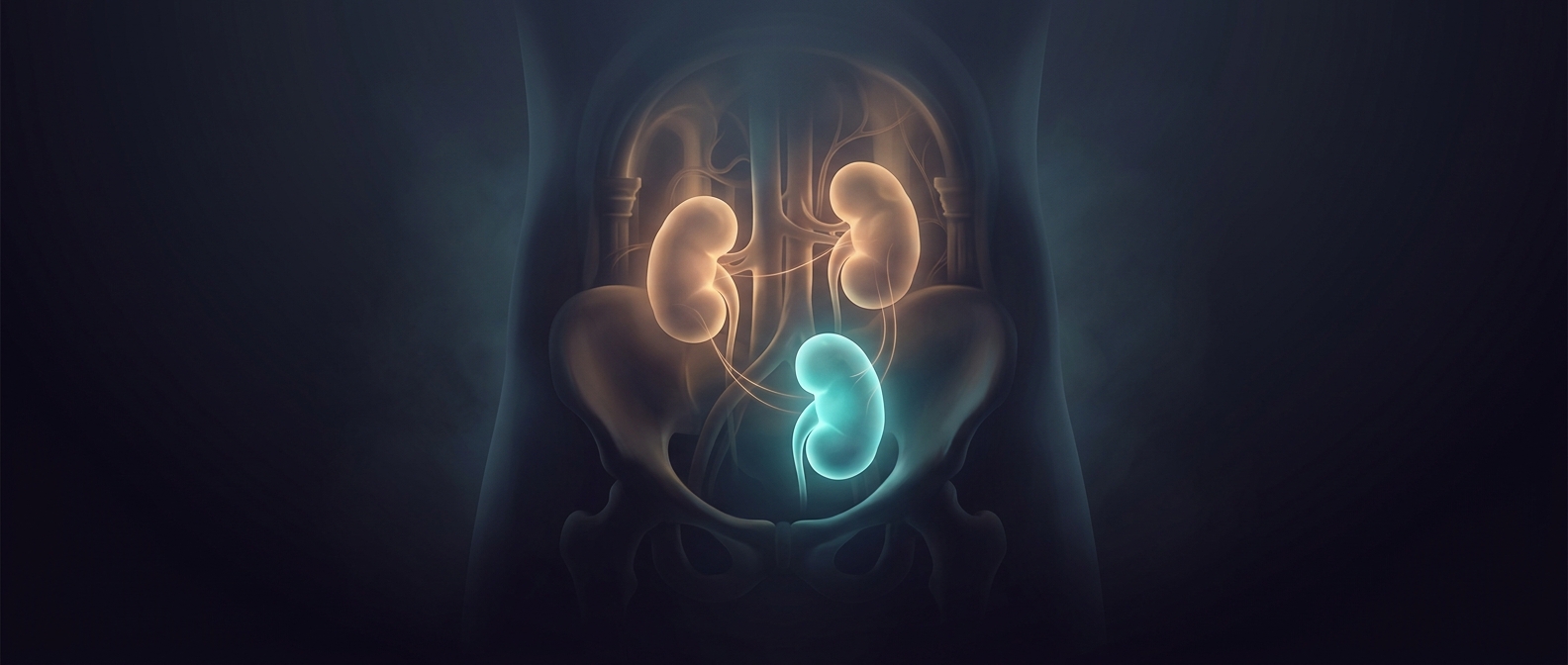
A kidney stone can hurt not only because of its size but because of where it gets stuck. Stones form in the kidney, then may enter the ureter—the narrow tube that carries urine to the bladder. A stone moving through that tube can trigger waves of intense pain as the ureter contracts around it.
A small stone still inside the kidney may be able to shift when the body is repeatedly jolted. On a roller coaster, quick changes in direction and force can shake the kidneys and their contents. If a stone moves from a pocket in the kidney toward the ureter, the body may then carry it along with the flow of urine. The ride does not break up the stone; it may only change its position.
Why the ride and the stone both matter
The effect depends on more than simply getting on a coaster. A stone’s size and location affect whether it can move and pass, and a jolt that helps one person may do nothing for another. A stone lodged in the ureter is a different problem from one still sitting in the kidney, and a larger stone may be unable to pass through the narrow urinary tract.
That is why a coaster is not a dependable treatment. At most, the bumps may give some small stones a nudge; they cannot guarantee a safe or painless passage. Persistent severe pain, fever, vomiting, or trouble urinating can signal a complication that needs medical care—not another ride.