Why Bright Light Can Trigger a Sneeze
For some people, stepping from a dim room into sunshine sets off an involuntary sneeze. The response is called the photic sneeze reflex. It can also happen with other sudden changes in brightness, such as turning toward a bright lamp. The light is not irritating the nose in the way dust or pollen does; it is provoking a reflex through the nervous system.
A Likely Case of Crossed Signals
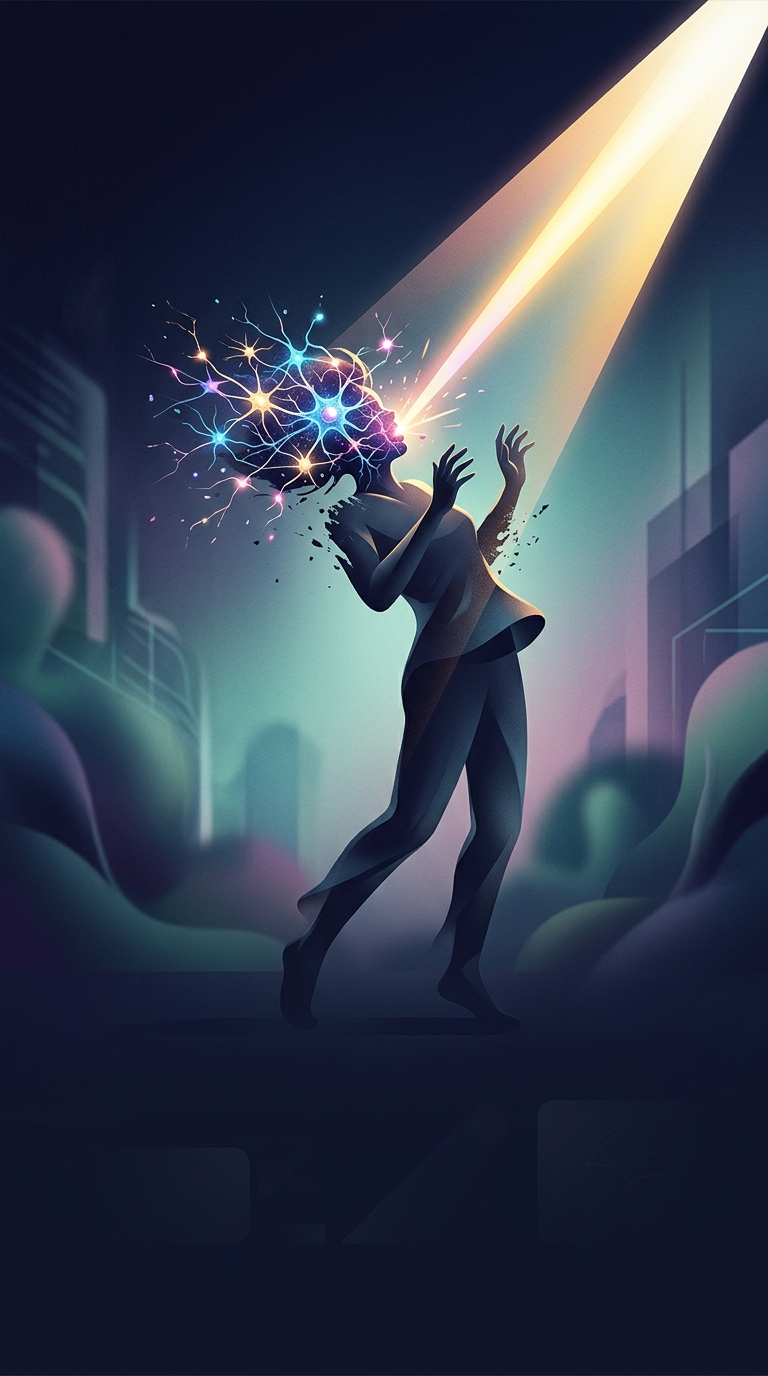
Light-sensitive cells in the eye send signals along the optic nerve to the brain. A sneeze, meanwhile, begins when sensory signals from the nose travel through the trigeminal nerve to brainstem circuits that coordinate the sneeze. Researchers have proposed that, in people with this reflex, strong visual input can spill into or amplify those nearby sneeze-related pathways. The precise wiring behind the effect is not fully settled, so it is better understood as a neural reflex than as a single proven “short circuit.”
The response often runs in families, suggesting an inherited tendency. A sudden burst of light may be enough to set it off, while gradual changes in brightness may not. Some people sneeze once; others have several sneezes in a row.
When the Reflex Matters
Most of the time, it is merely surprising. But the timing can matter: a sneeze while driving out of a tunnel or into bright sun can briefly interrupt vision and attention. Knowing that a light change is a personal trigger makes the reaction less mysterious—and can help someone anticipate it at moments when a sudden sneeze would be risky.