Why the Gas Takes the Long Way In
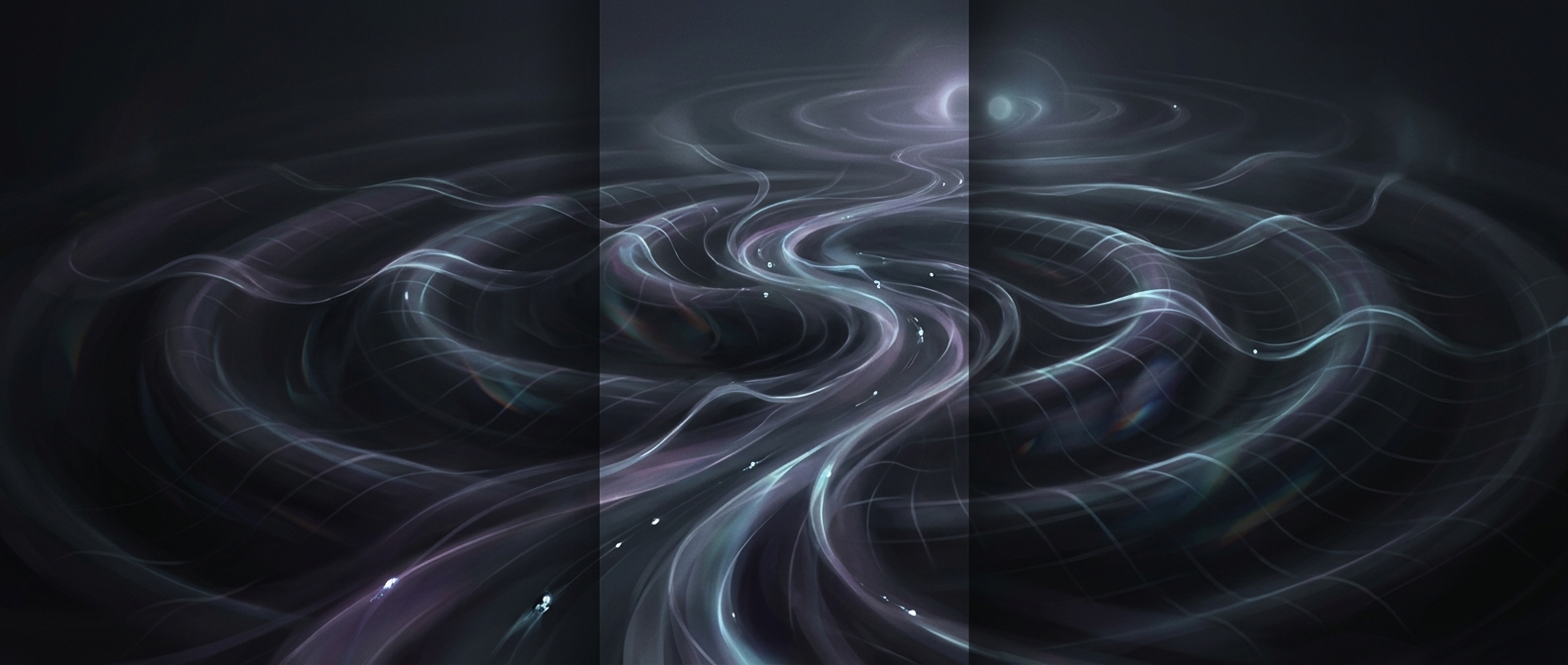
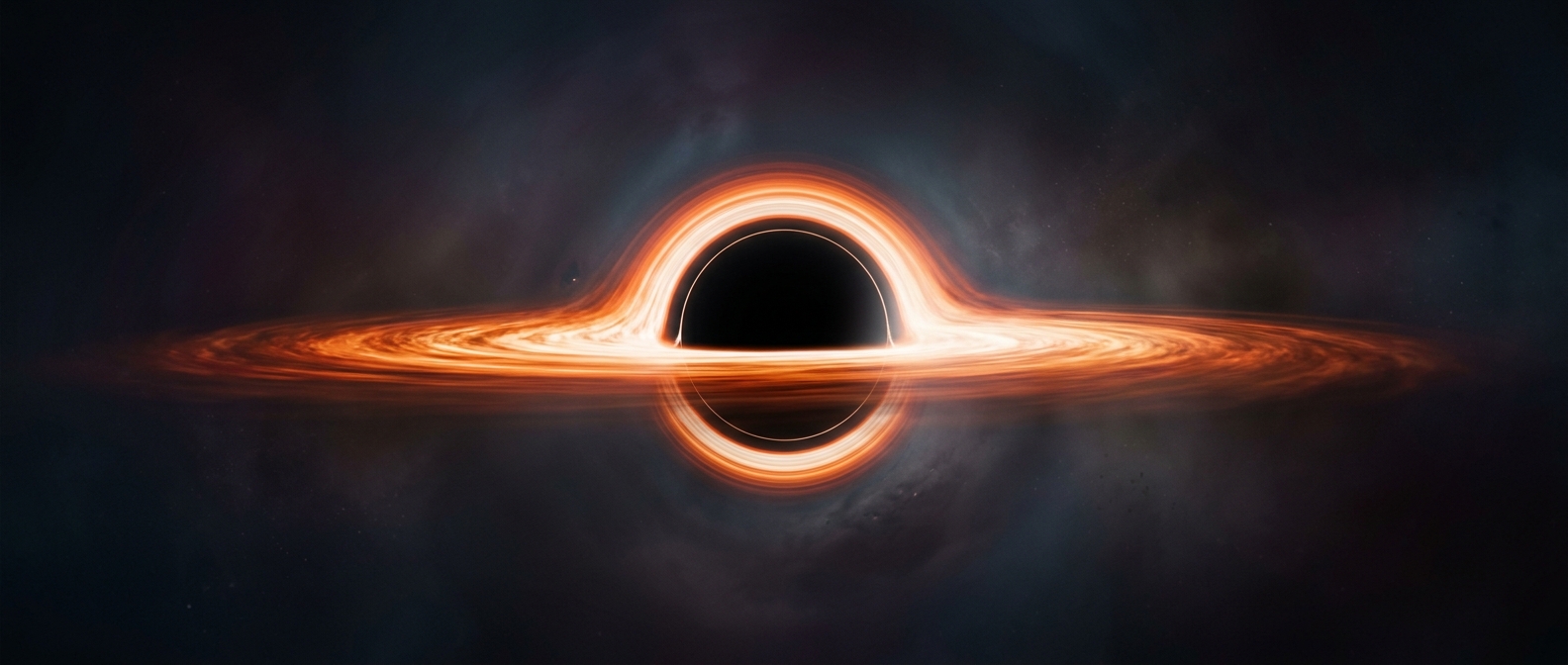
A black hole’s gravity pulls in every direction, but gas arriving from a star or a nearby cloud rarely has exactly zero sideways motion. That motion is angular momentum: the same physical quantity that keeps a planet in orbit instead of letting it drop directly into the Sun. As gas gathers around the black hole, its different streams settle into a flattened, spinning disk.
For the gas to move inward, it must pass angular momentum outward. Neighboring parts of the disk tug on one another through magnetic fields and turbulent motion, redistributing that spin. The inner gas loses enough angular momentum to slip closer to the black hole, while outer gas carries more of it away. “Friction” is a useful shorthand, but the transport is not simply ordinary rubbing between solid surfaces.
The Inward Journey Releases Energy
As the disk’s material shifts into tighter orbits, gravity gives up energy. Much of it becomes heat: the gas can grow hot enough to emit intense X-rays and other radiation before it crosses the black hole’s boundary. The glow comes from the surrounding matter, not from light escaping the black hole itself.
This makes a black hole’s neighborhood observable even when the hole is not. A black hole that is otherwise dark can announce itself through a brilliant disk, and changes in that light can track how the gas is moving and heating. The same process that delays the gas’s fall—its gradual transfer of spin—is also what powers the warning flare.