Why laughter spreads before the joke does
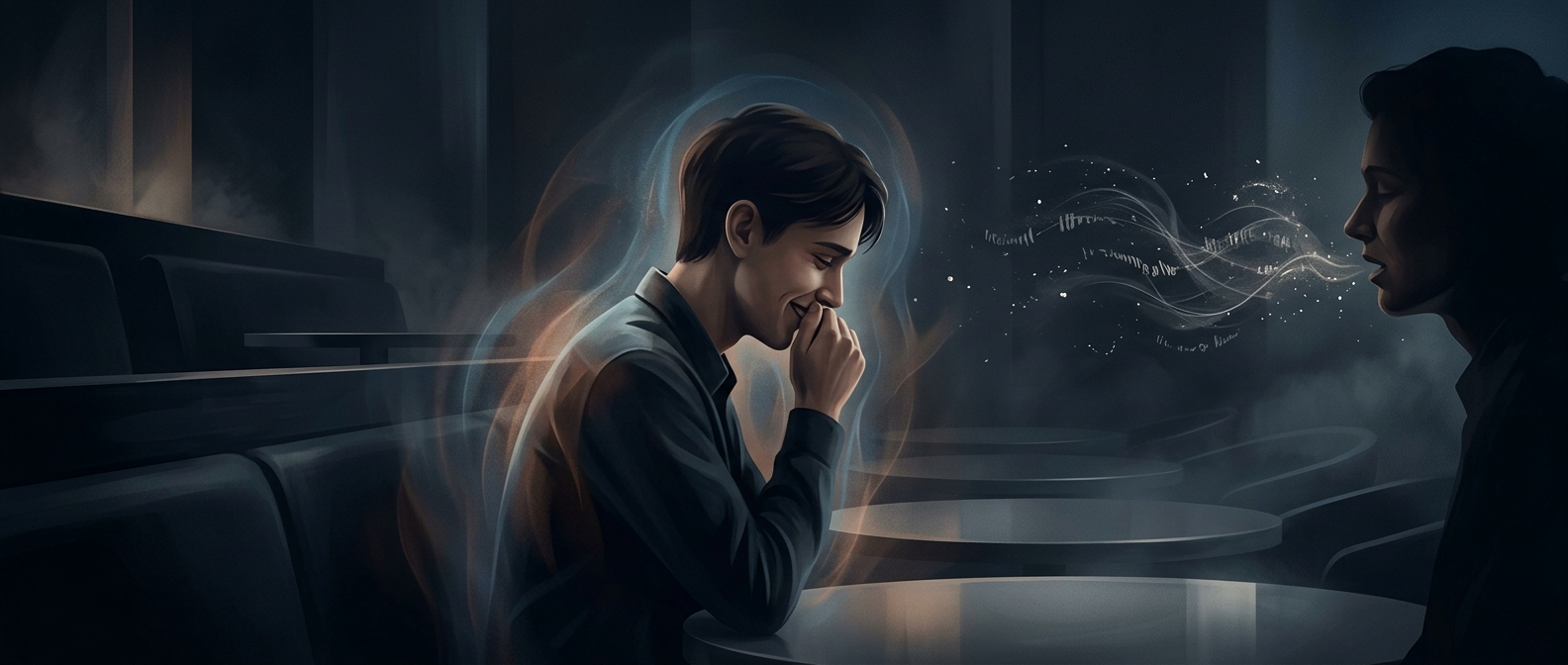
Laughter can reach you before the words that caused it. In that moment, you have little information about the joke but a clear signal from the group: other people are amused, and the situation appears socially safe. That signal can shift your attention from figuring out the punchline to sharing the mood.
A sound that invites a response
Human laughter is unusually effective at prompting imitation. Hearing it can make a listener more likely to smile or laugh, even without deciding that anything was especially funny. This is part of a broader social tendency to match other people’s expressions and behavior. Matching helps people coordinate; a smile or laugh can answer another person’s without requiring an explanation.
Laughter also carries information about relationships. People often laugh more readily around others they feel comfortable with, and laughter can help mark a moment as friendly rather than tense. So when a group laughs, listeners may infer not only “something is amusing” but also “we’re enjoying this together.”
The reaction becomes part of the joke
Humor is often ambiguous until you know how others interpret it. A strange remark might seem confusing or awkward on its own; laughter from nearby people suggests that it was intended playfully. Their response supplies a social frame, making it easier to relax and join in. The laughter itself can then become funny: people laugh at the timing, the sudden burst, or the growing chorus.
That does not mean every laugh is genuine amusement, or that hearing laughter forces anyone to join. The response depends on the situation and the people involved. But when a group’s laughter sounds spontaneous and welcoming, the social cue can be enough to start a laugh before the original joke has even reached you.