Why Sputnik 2 had no return journey
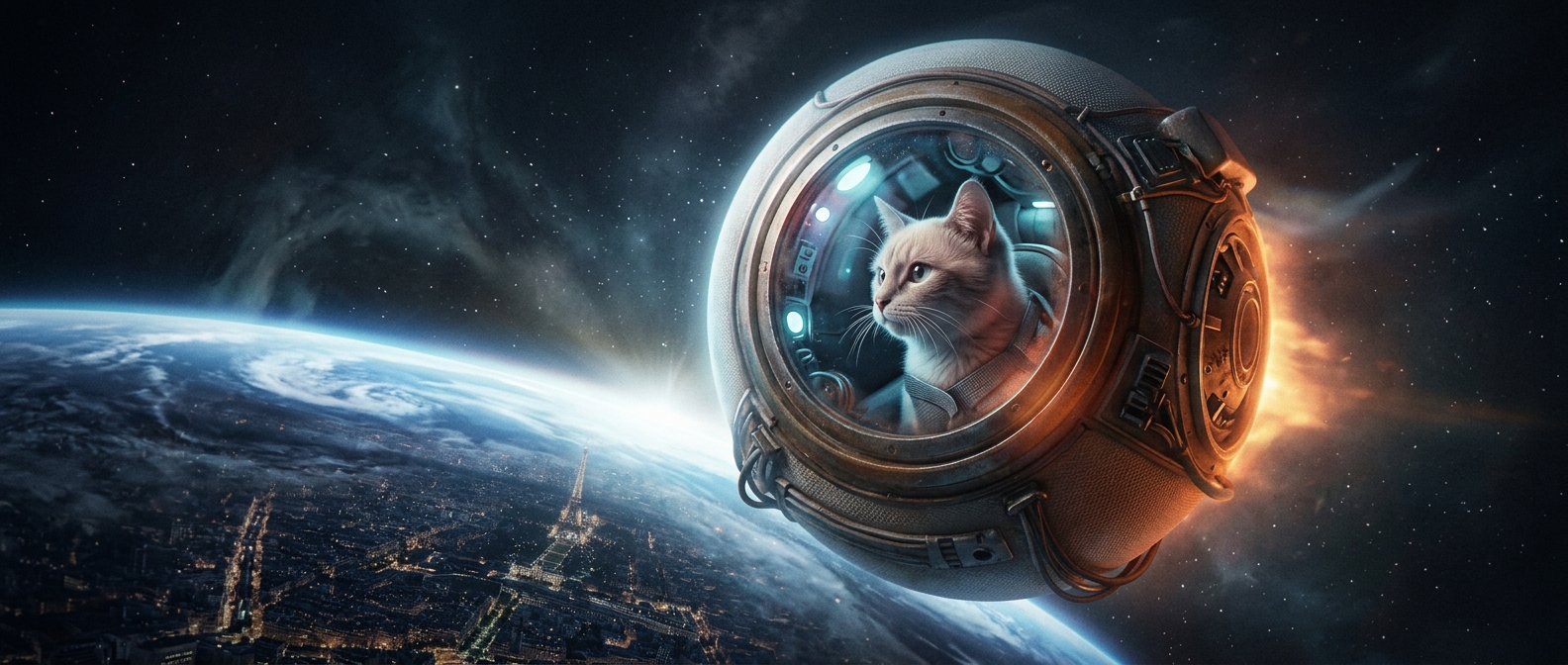
When the Soviet Union launched Sputnik 2 in November 1957, its immediate goal was to place a living animal in orbit and learn whether a mammal could survive the launch and the conditions of spaceflight. The spacecraft was assembled under severe time pressure after the success of Sputnik 1. It carried Laika, a small dog selected and trained for the mission, inside a sealed cabin fitted with life-support equipment and instruments to monitor her condition.
But the mission’s engineering was designed around getting her up, not bringing her down. Sputnik 2 had no heat shield or recovery system to protect a capsule during re-entry and return it safely to Earth. At the time, the Soviet Union had not yet developed a spacecraft capable of recovering an occupant from orbit. Laika’s flight was therefore a one-way experiment, not a failed landing plan.
A scientific milestone with a human cost
The cabin supplied oxygen and managed temperature, while restraints kept Laika in place during launch and weightlessness. Those provisions could support her for a limited period; they could not solve the larger problem of returning through Earth’s atmosphere. A returning craft would need to withstand extreme heating, slow its descent, and land or splash down in a form that could be recovered—systems Sputnik 2 did not have.
Laika died in orbit within hours, after the cabin overheated. The mission nevertheless showed that a living passenger could be launched into orbit, though it did not establish that a person could safely make the same journey and return. That distinction mattered: orbital flight required more than surviving liftoff. It required a complete chain of life support, re-entry protection, and recovery.
From passenger to public symbol
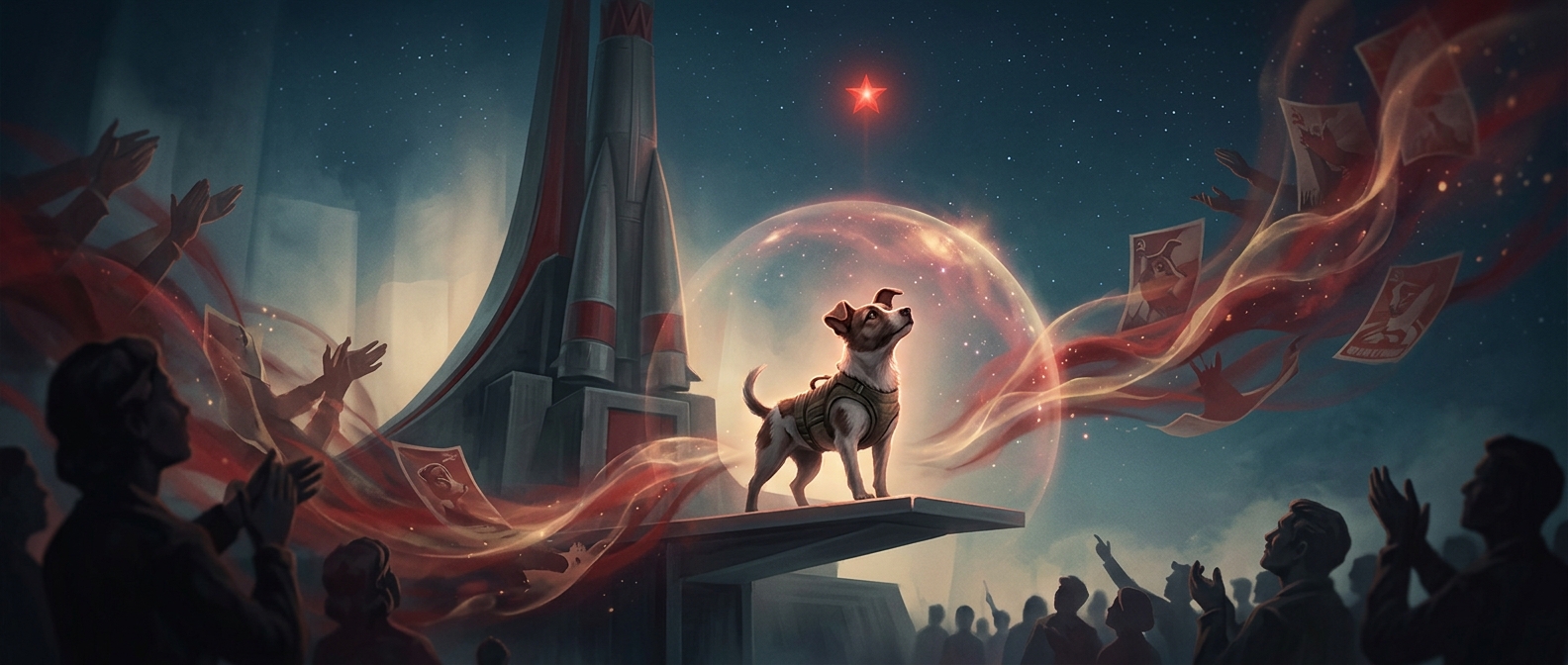
The Soviet Union later commemorated Laika on stamps, matchboxes, and toys. Those tributes gave a visible, familiar face to an achievement otherwise measured in engineering milestones—and to its cost. The capsule had been built to cross a threshold in spaceflight, but its design left no route home for the animal inside.