Why distillation became a spiritual metaphor
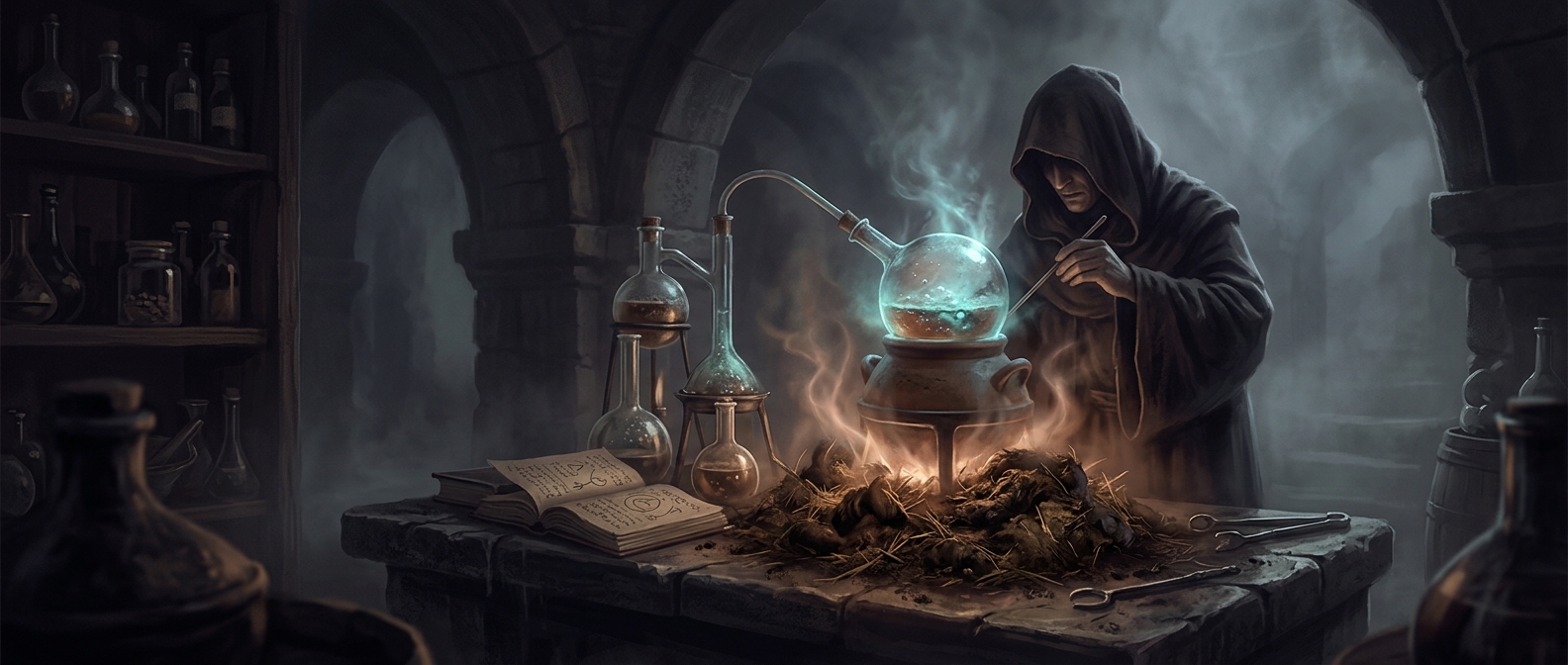
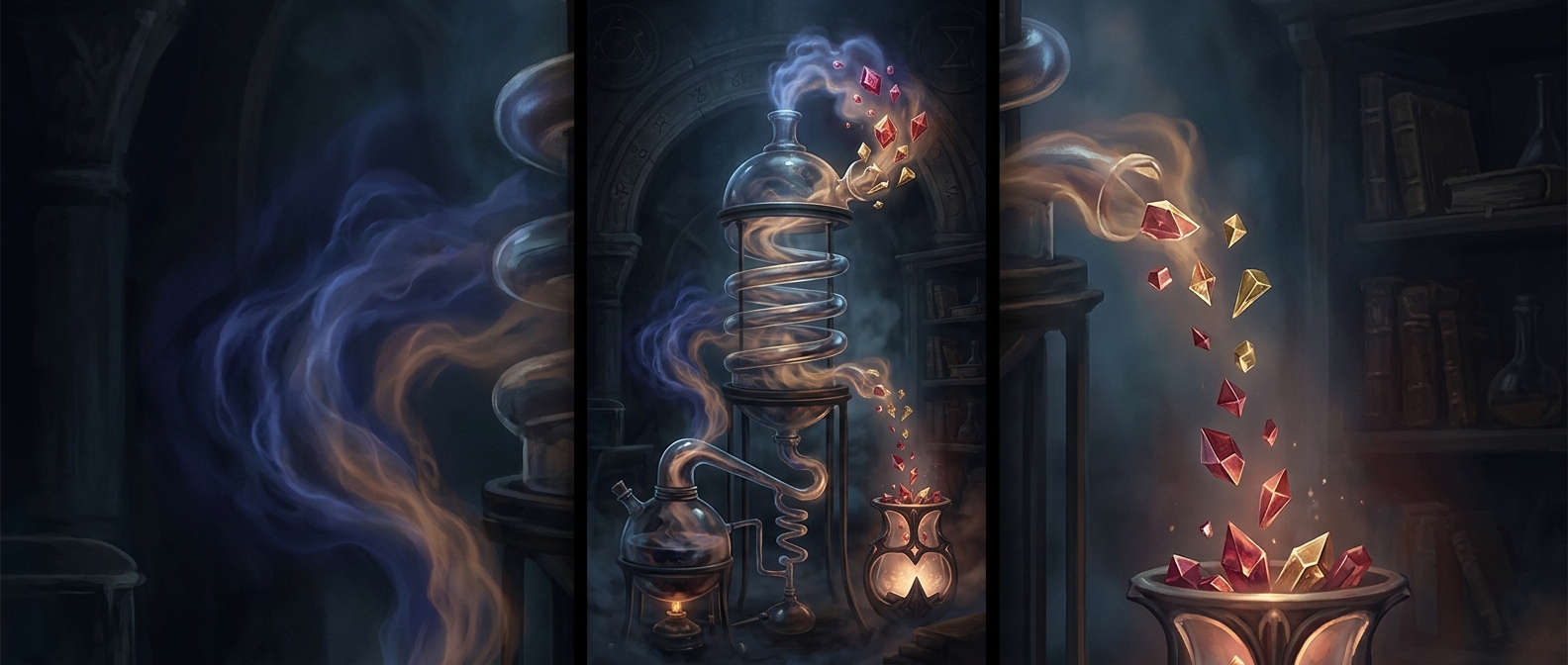
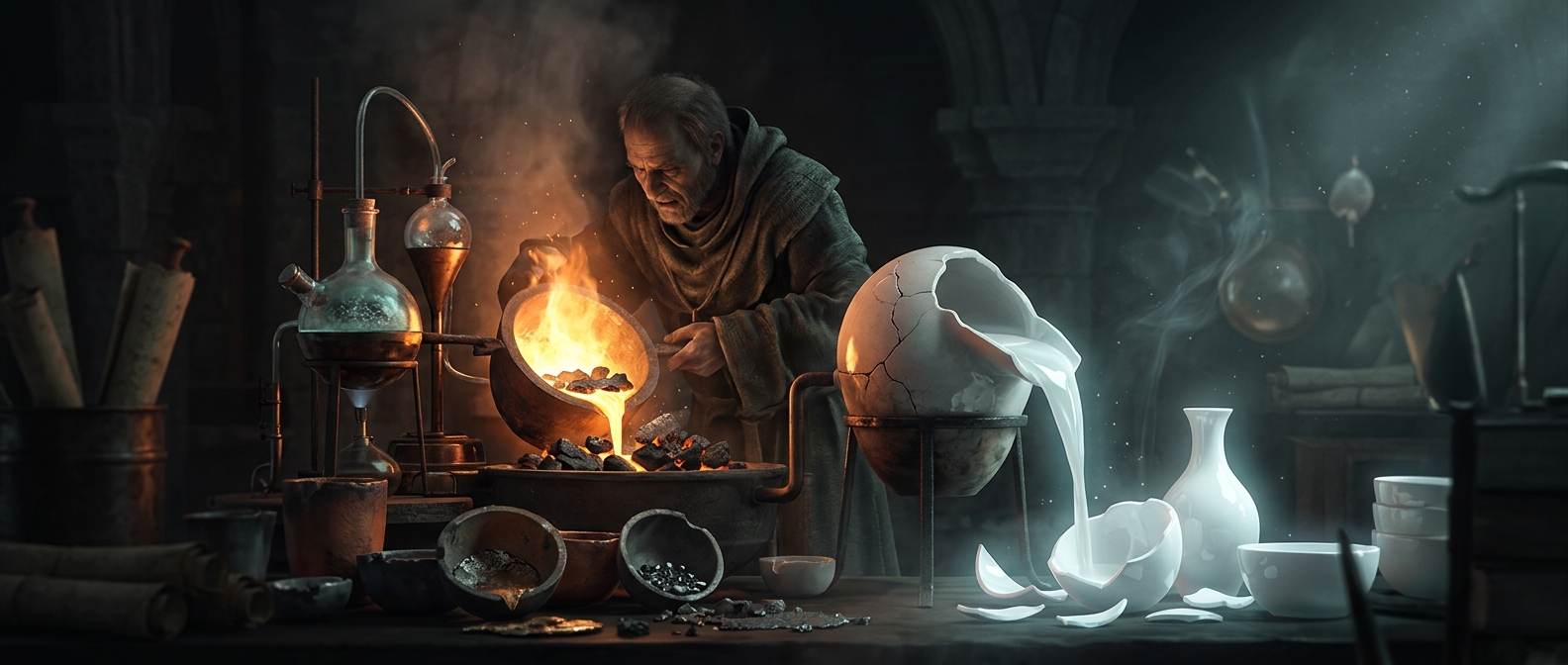
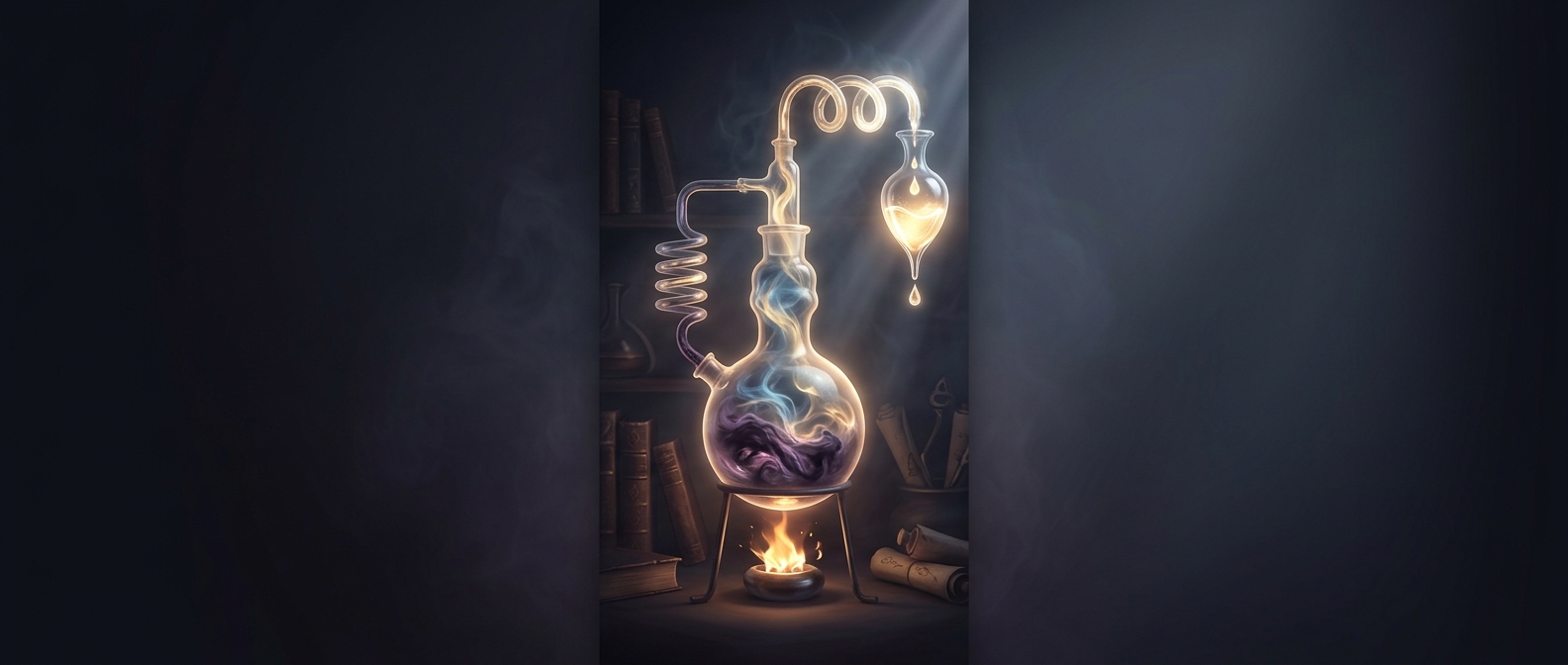
Distillation separates a mixture by heating it until some parts turn to vapor, then cooling that vapor back into liquid. Because the process can leave heavier or less volatile material behind, it offered a vivid image for separating what is lasting from what is considered merely worldly.
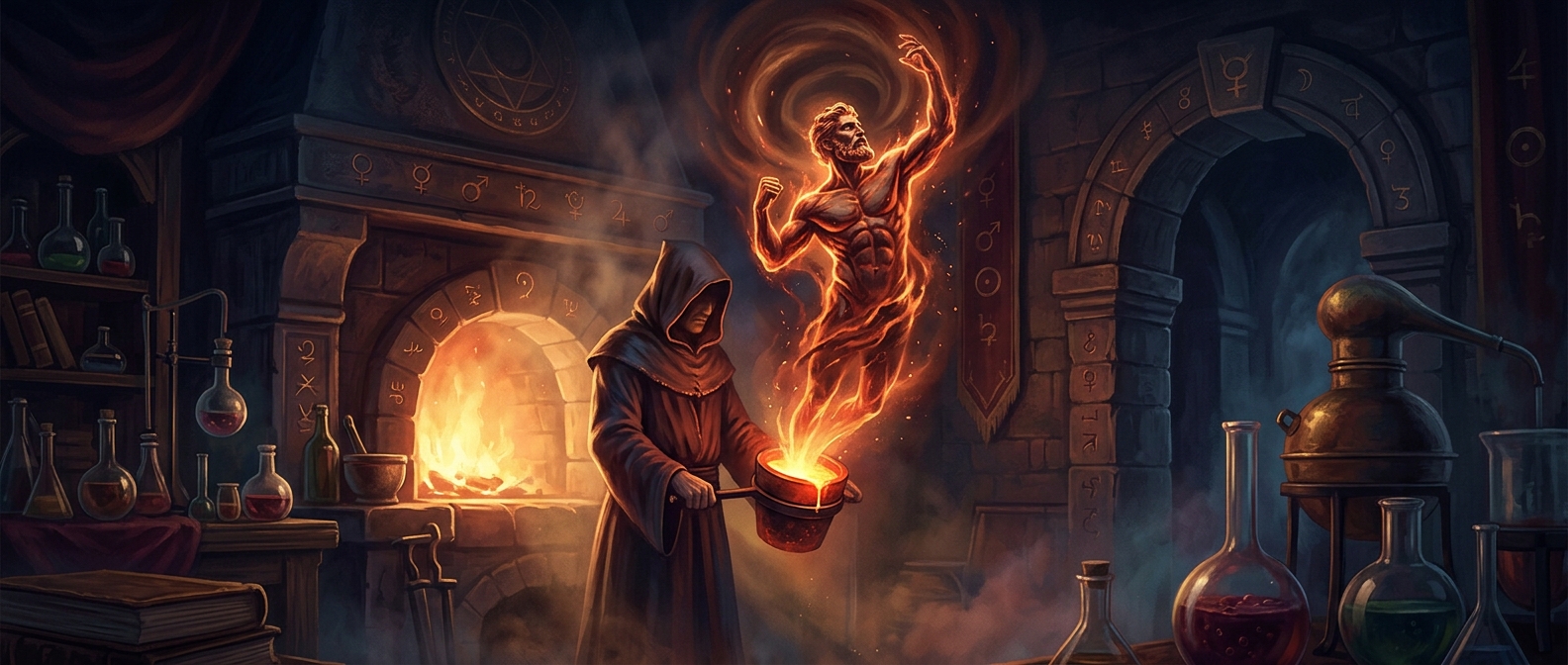
In esoteric writing, the “soul’s essence” is a spiritual idea, not a substance that can be collected in a vessel. The metaphor borrows the visible stages of the craft: heat and change, separation, and a smaller, concentrated result. Read this way, distillation describes an inner discipline—letting distractions fall away so a person’s defining qualities may become clearer.
From material change to inner refinement
The comparison also reflects an older habit of using practical crafts to describe transformation. A distiller does not simply remove impurities; the desired product depends on what is being distilled and which parts are kept. That makes the metaphor more subtle than “worldly things are bad.” It can suggest discernment: distinguishing what a tradition regards as temporary from what it regards as essential.
The image’s force comes from its concrete sequence. Something mixed is subjected to change, parts are separated, and what remains is treated as more concentrated. In spiritual language, that turns an ordinary technique into a model for self-examination—not proof that the soul behaves like a chemical mixture, but a memorable way to picture the pursuit of inward clarity.