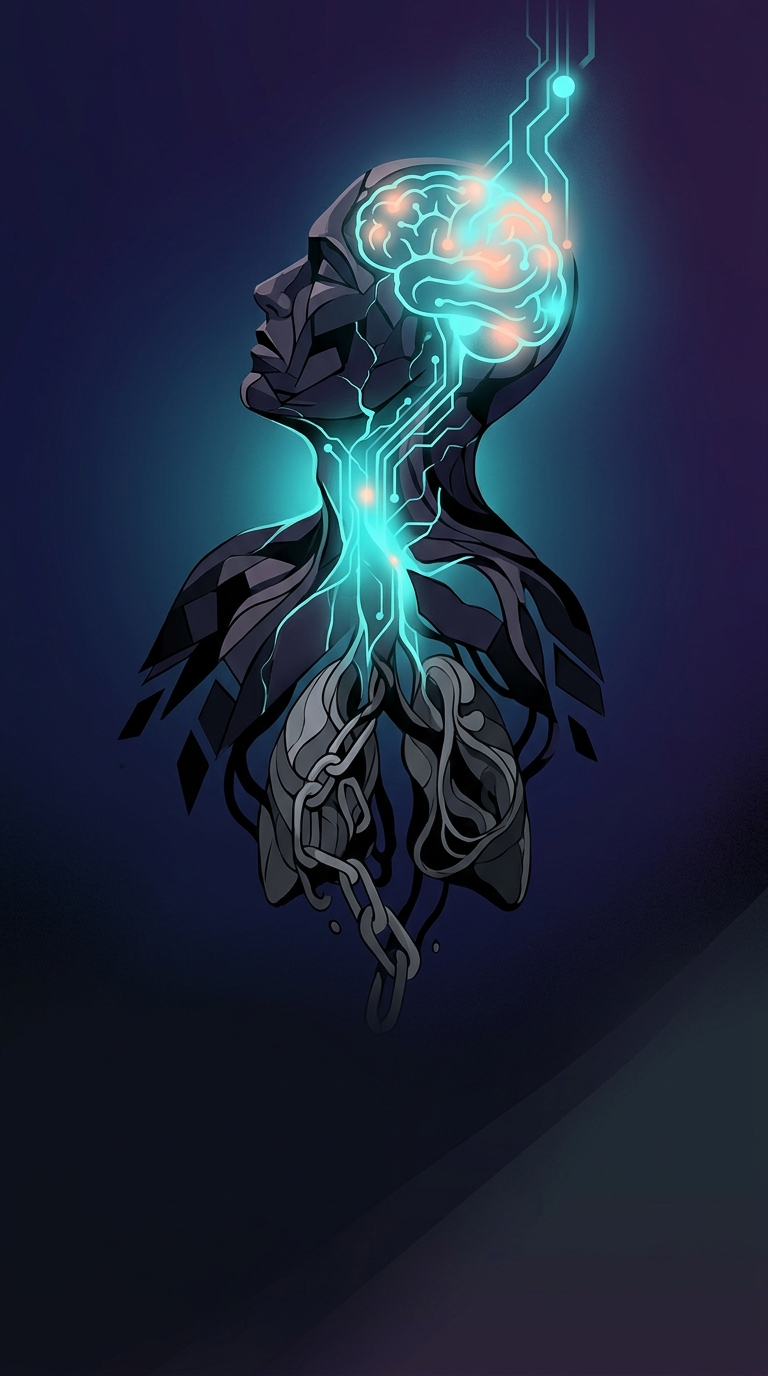
The Brain Is Trying to Restart Breathing
A loud snore followed by a gasp or choking sound can happen when the throat briefly narrows or closes during sleep. In obstructive sleep apnea, the muscles that normally hold the airway open relax enough for its soft tissues to block airflow. The chest may keep moving, but little or no air reaches the lungs.
Sensors in the body register changes such as rising carbon dioxide and falling oxygen. The brain responds with a brief arousal: it shifts the sleeper toward wakefulness and activates muscles that can open the airway. Air rushes through again, sometimes with a snort or gasp. The person may jerk, although they often do not remember waking.
Why the Cycle Can Repeat
The airway may close again once sleep deepens and its supporting muscles relax. These interruptions can happen repeatedly through the night, breaking up sleep even when the person seems to fall back asleep quickly. The brain’s response is protective, but frequent arousals can leave someone tired and make it harder to concentrate during the day.
Loud snoring alone does not establish that someone has sleep apnea. But repeated pauses in breathing, choking or gasping during sleep, or persistent daytime sleepiness are reasons to discuss the pattern with a health professional. The sudden gasp is often the moment airflow returns—not the beginning of the problem.