Why a Fairy Might Leave a Substitute
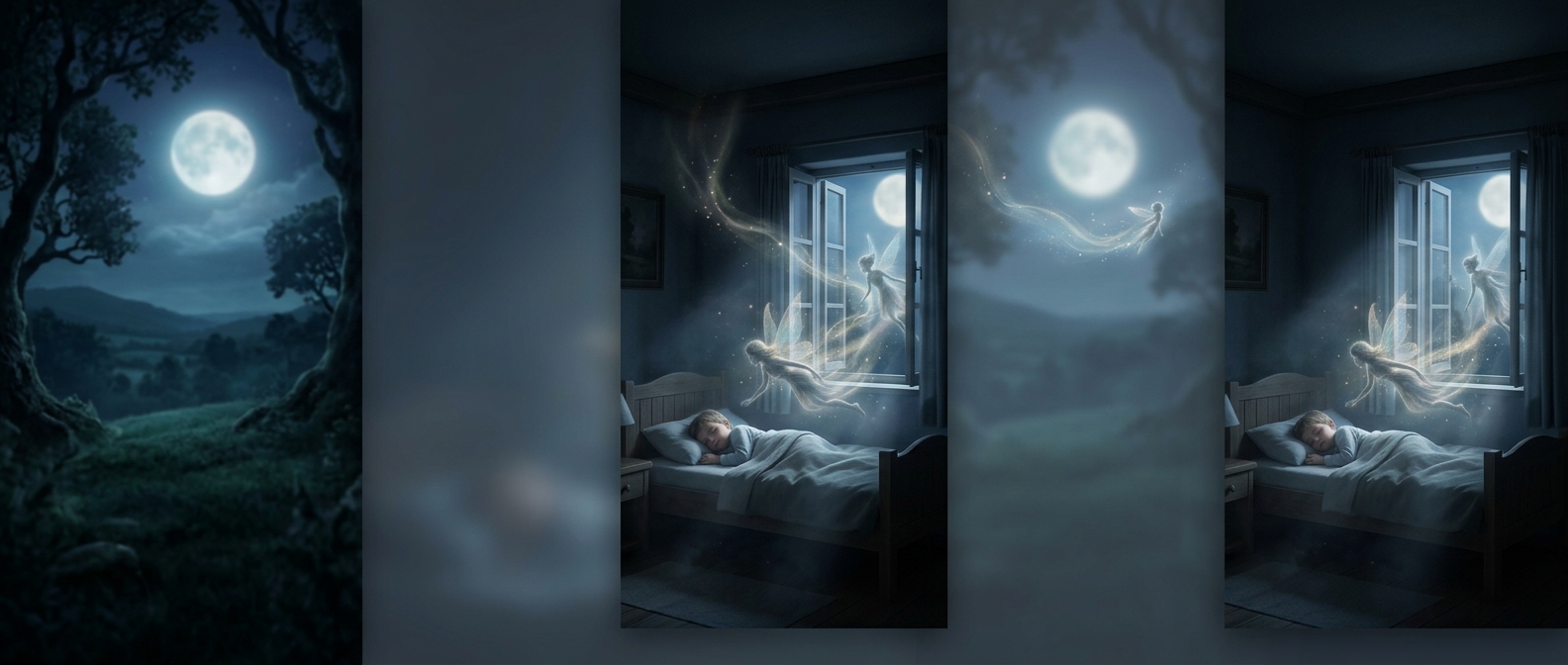
In European fairy tales, a changeling is a being left in place of a human child said to have been taken by fairies. The substitution gave a frightening, invisible event a shape families could talk about: a child’s sudden illness or striking change in behavior could be cast as a replacement rather than an inexplicable loss.
That story did not mean every family understood such events in the same way. Folklore varied from place to place, and changeling tales could express fear about a child’s vulnerability as well as anxiety over the demands of care. They offered an explanation, but not a reliable way to distinguish illness from supernatural action.
Small Offerings, a Household Bargain
Leaving food near the door made the danger feel negotiable. Bread or milk could be imagined as a courtesy—or a modest payment—to satisfy the visitors and encourage them to leave. The gesture turned helpless waiting into a simple action a household could take, even when the cause of its fear remained beyond anyone’s sight.
The stories also drew a boundary around home and family. Fairies belonged to a neighboring, hidden world that might intrude, but could sometimes be placated. Their unsettling logic is what makes the tales memorable: a familiar child might seem changed, while an ordinary offering at the threshold became a way to ask the unseen to give the child back.