Censorship changed Betty Boop’s silhouette—and her role
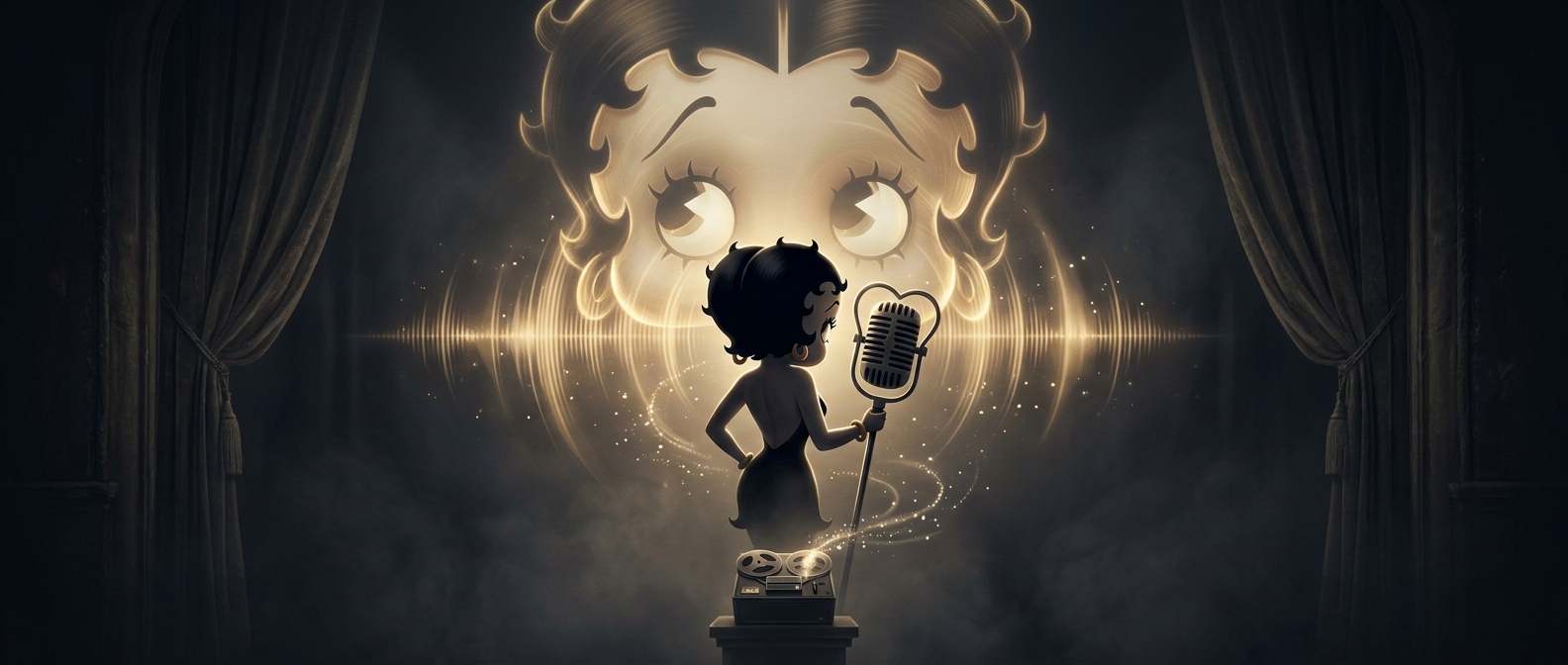
Betty Boop began as a jazzy flapper: a young woman whose short skirt, flirtatious manner, and disregard for respectability made her seem daring. That image became harder to keep as Hollywood tightened enforcement of the Production Code, the industry’s rules for what films could show and how characters could behave. The restrictions targeted sexual suggestiveness and other material deemed improper, including in cartoons.
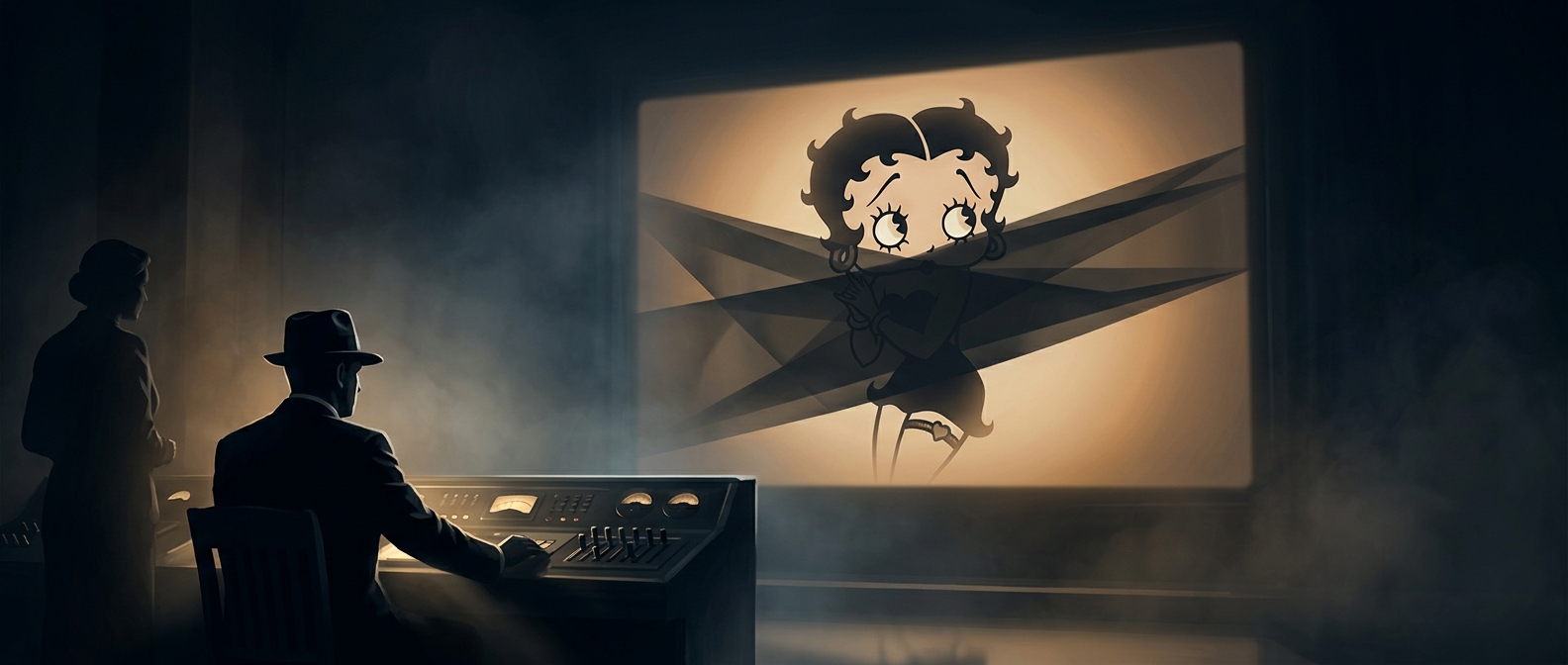
For Betty, adapting meant more than drawing a longer hem. Her creators softened the gestures and jokes that had made her seem provocative and unruly. The changes made the character more acceptable under the new standards, but also narrowed the kind of mischief she could get away with.
A different kind of cartoon heroine
Animation gave artists direct control over a character’s appearance and movement: a skirt could be lengthened, and a suggestive pose or rebellious gag could be removed before a cartoon reached theaters. But each adjustment also changed how viewers read Betty. The flapper’s appeal came partly from acting beyond the manners expected of women; a more subdued Betty could still be playful, but less openly defiant.
The result was a visible example of how censorship shaped screen characters without erasing them. Betty remained recognizable, yet the rules altered the balance between her look and her personality—turning a jazzy rule-breaker into a more restrained heroine.