When suspicion outlasted the witch trials
England’s great waves of witchcraft prosecutions had eased by 1650, but that did not mean belief in witches had vanished. For people facing unexplained illness, death, or other misfortune, a neighbor accused of harmful magic could still seem like an explanation—and a threat. The courtroom’s attention could fade faster than the fears and grudges that made accusations persuasive.
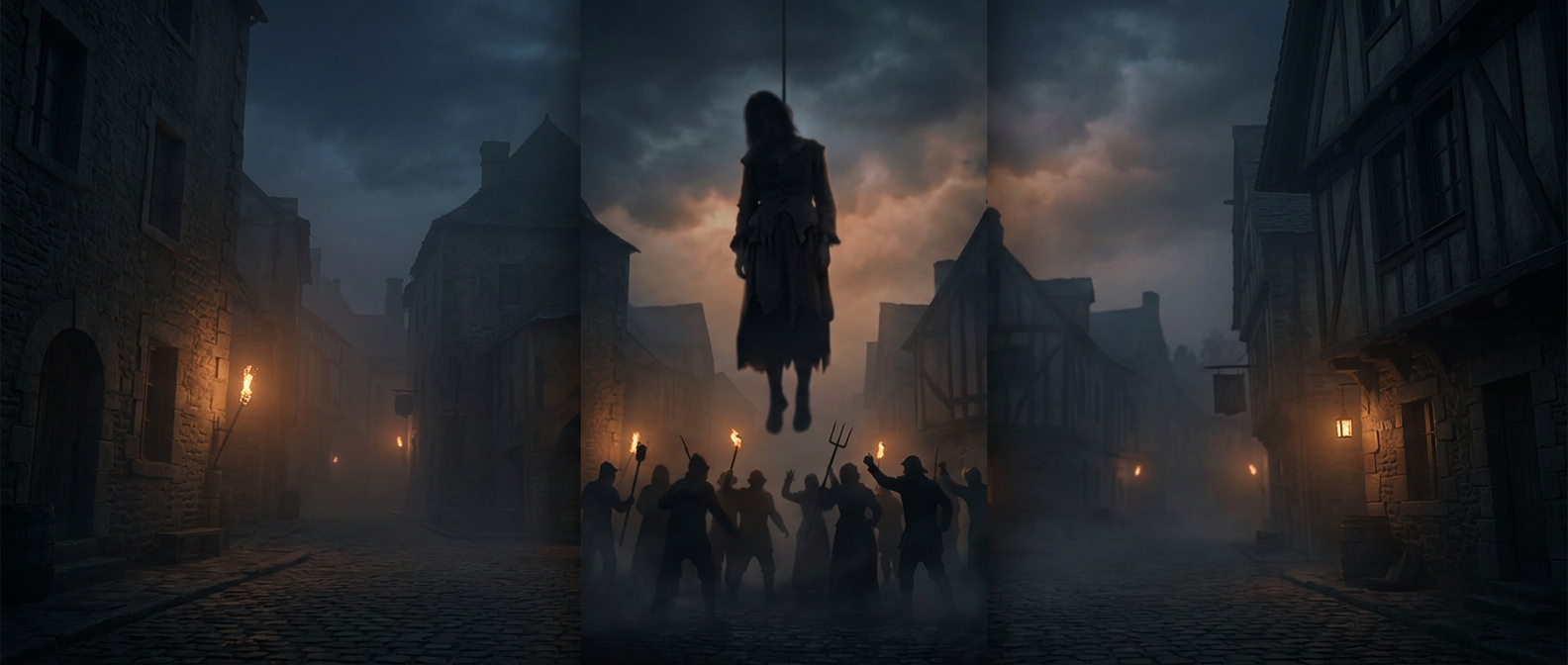
Margery Barton was murdered after being accused of witchcraft. That distinction matters: an accusation was not a legal verdict, and killing someone suspected of witchcraft was not a lawful substitute for a trial. Her death shows how communal suspicion could become violence outside the formal process of prosecution.
Why the danger remained
Witchcraft accusations often attached supernatural blame to ordinary conflict. A disagreement or a run of bad luck could be recast as evidence that someone meant harm. Once neighbors treated suspicion as proof, the accused could lose the protection that a court—however imperfectly—was meant to provide.
Barton’s murder is a reminder that the decline of prominent trials did not bring an immediate end to witch-hunting in everyday life. Even after the courtroom drama had diminished, a local accusation could still turn fear into lethal action.