Why Ganna’s Hour-Record Bike Had Bumps on Its Frame
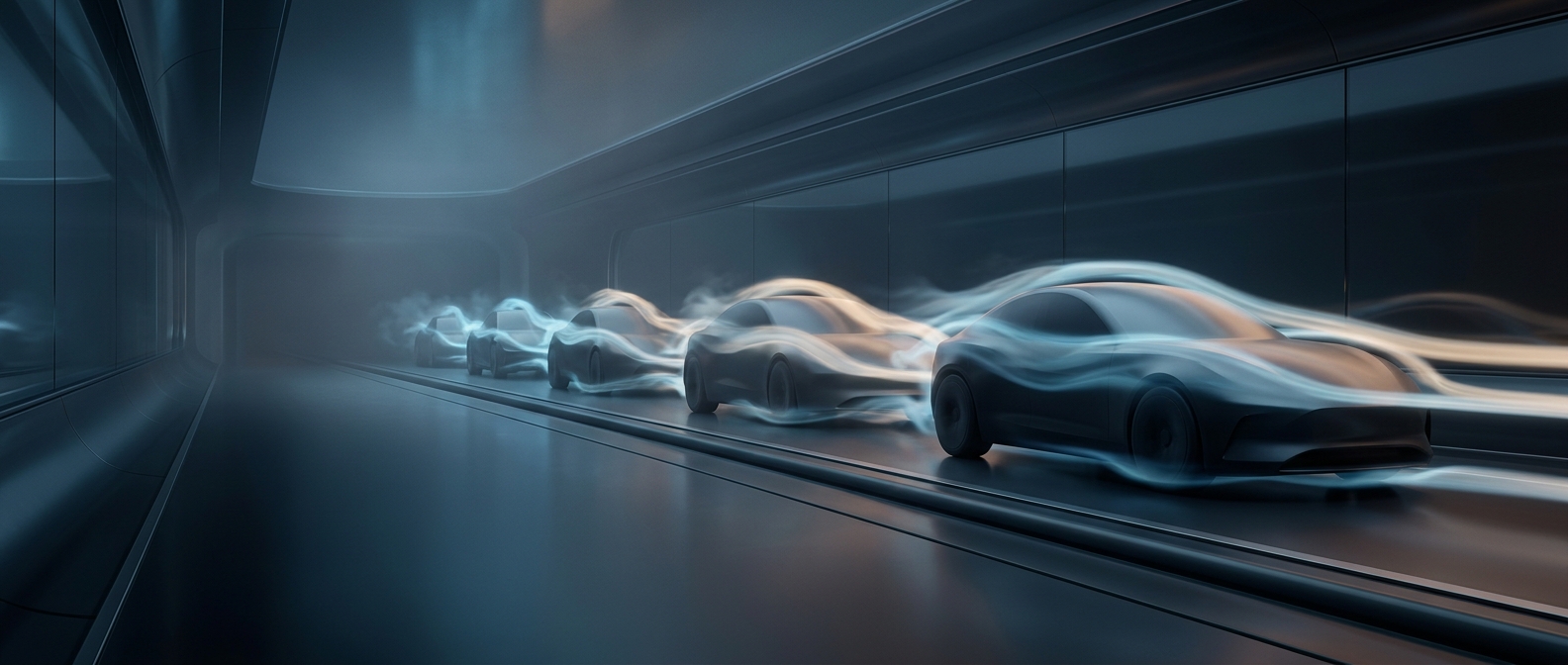
A bicycle moving fast through still air does not simply push the air aside. Air flows over the frame and rider, and the resulting drag resists forward motion. At Hour Record speeds, small changes in that flow can matter: the bike and rider must waste as little of each pedal stroke as possible overcoming air resistance.
Pinarello’s custom Bolide for Filippo Ganna included small raised features on the seat tube called AeroNodes. Their shape drew inspiration from the bumps along a humpback whale’s flippers. Those bumps can influence water flowing around a flipper; on the bicycle, engineers explored whether similar contours could help manage airflow around the frame, particularly where the rider’s moving legs disturb it.
The Goal Was to Control the Airflow
A thin layer of air next to a surface is called the boundary layer. If the airflow separates from the frame, it can form a turbulent wake that increases drag. Carefully shaped surface features can affect how that layer behaves, though the result depends on the object’s shape and the flow conditions. The whale-inspired details were therefore an engineering design to test and refine—not a guarantee that air would stay attached everywhere.
The bike was developed around Ganna’s position and dimensions, with aerodynamic analysis and wind-tunnel testing helping engineers evaluate the complete rider-and-bicycle setup. That matters because the cyclist is a large part of the shape moving through the air; an efficient frame alone cannot compensate for a poor fit or a position that creates more drag.
A Bespoke Machine, Not a Magic Material
The Bolide used advanced manufacturing, including 3D-printed components, to make unusual forms and tailor parts to the design. The point was not simply to produce a futuristic-looking bicycle, but to shape and fit a machine for one specific task: riding as far as possible in exactly one hour.
Ganna covered 56.792 kilometers in October 2022 to set the men’s Hour Record. At that scale, an odd-looking ridge on a tube represents a practical question: can a small change to the airflow save enough effort, over an hour of relentless pedaling, to carry the rider farther?