A familiar sequence can feel safer
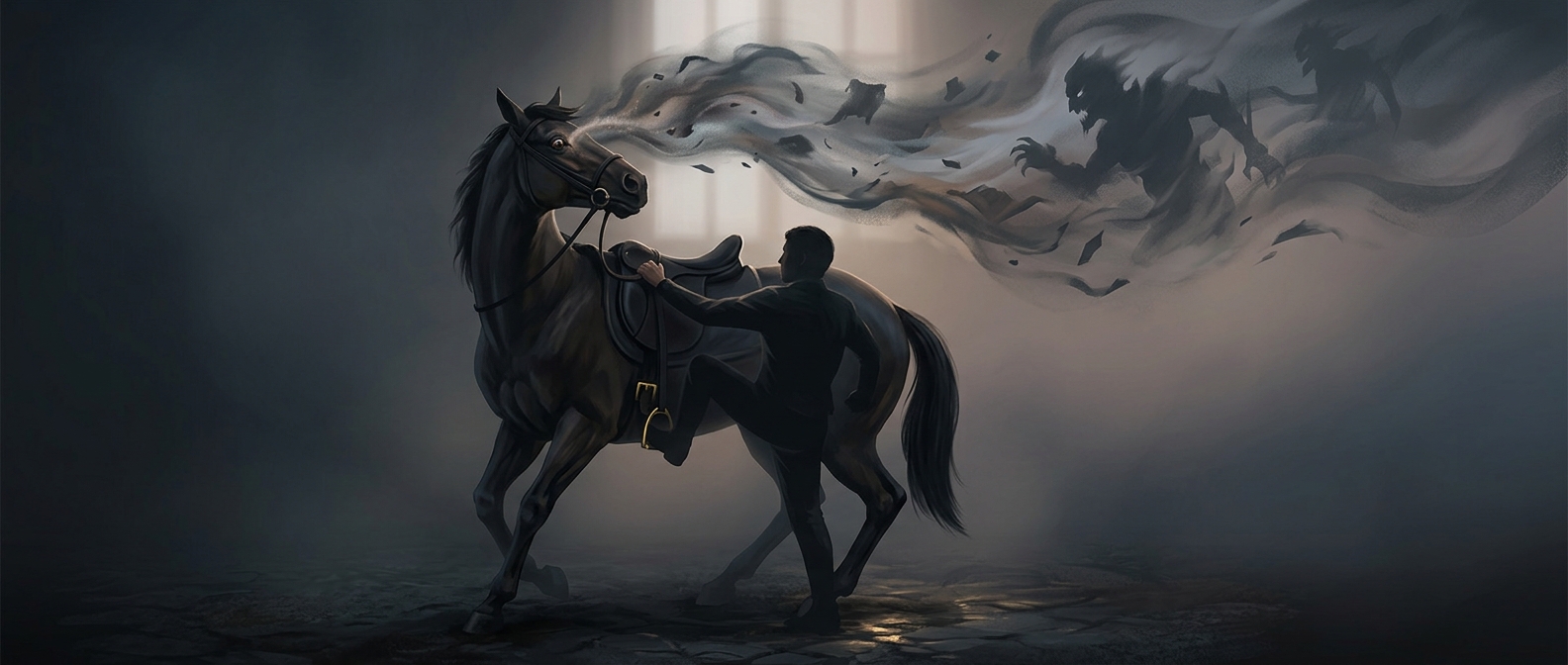
For a horse, mounting is not just a person appearing beside its saddle. It is a sequence of cues: someone approaches, takes hold of the reins or mane, places a foot in the stirrup, and swings a leg over. Repeated in the same order and from the same side, those cues become predictable. A rider arriving from the other side may interrupt that expectation, making the horse tense, turn, or step away—not because horses are inherently opposed to right-side mounting, but because the approach is less familiar.
The mechanics change, too
Mounting puts pressure on the stirrup and can pull the saddle sideways before the rider is seated. A horse that has practiced mostly on the left may be less accustomed to that pressure coming from the right. The rider may also handle the reins differently or move less smoothly on the unfamiliar side, adding to the horse’s uncertainty.
That is why training on both sides matters. Calm, gradual practice teaches the horse that the same steps and pressures are harmless whichever side they come from. It also gives the rider another safe option if a wall, fence, or other obstacle makes the usual side inaccessible.
Tradition becomes habit
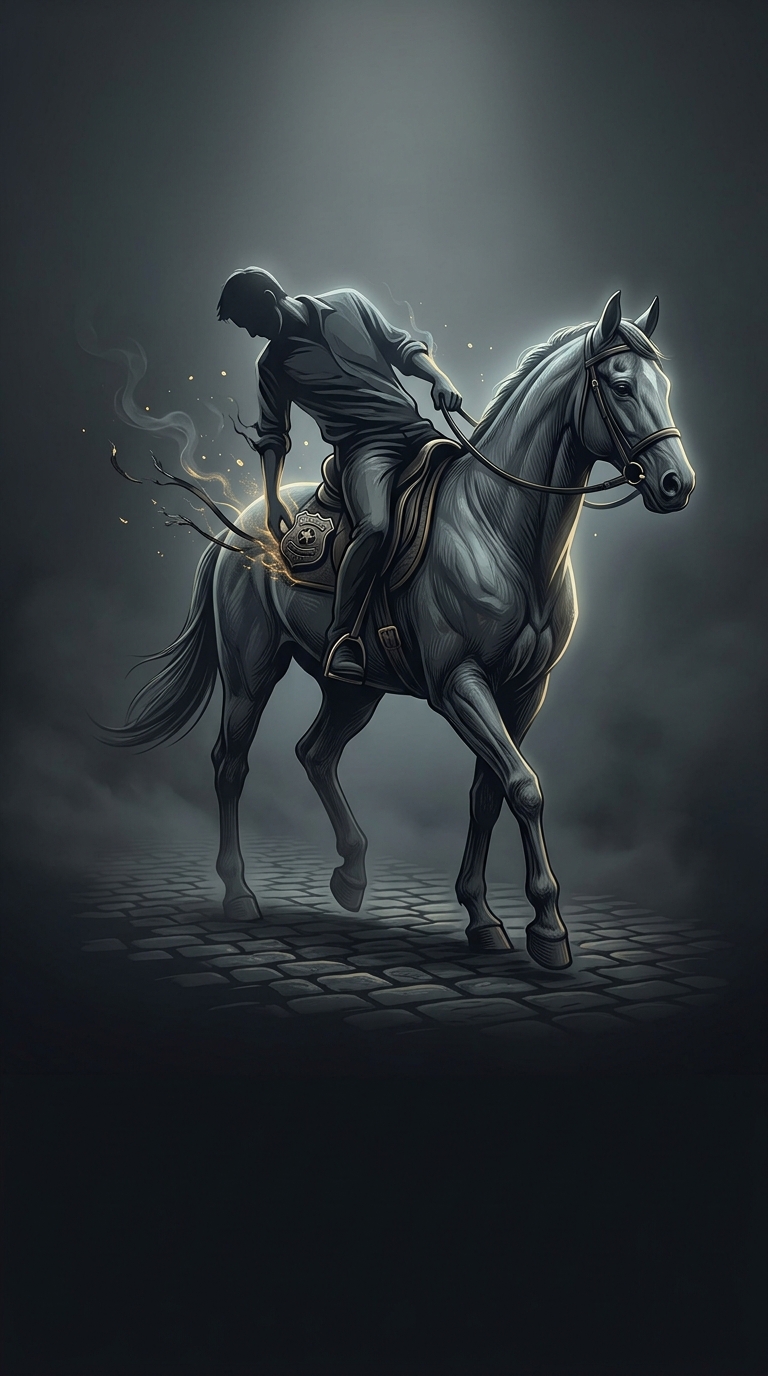
The left-side custom—often linked to riders’ swords hanging at the left hip—became a repeated routine. Once horses and people were trained around that routine, familiarity itself helped keep it going. A horse’s reaction to the right side is therefore best understood as learned expectation, not a fixed rule of equine behavior.