A lift system built around the Tower’s shape
The Eiffel Tower’s elevators are not ordinary lifts moving straight up inside a shaft. They travel along the Tower’s sloping legs, following their changing angle as the structure narrows. That route makes the machinery part of the architecture: the cars, cables and drive systems must work together along a fixed path.
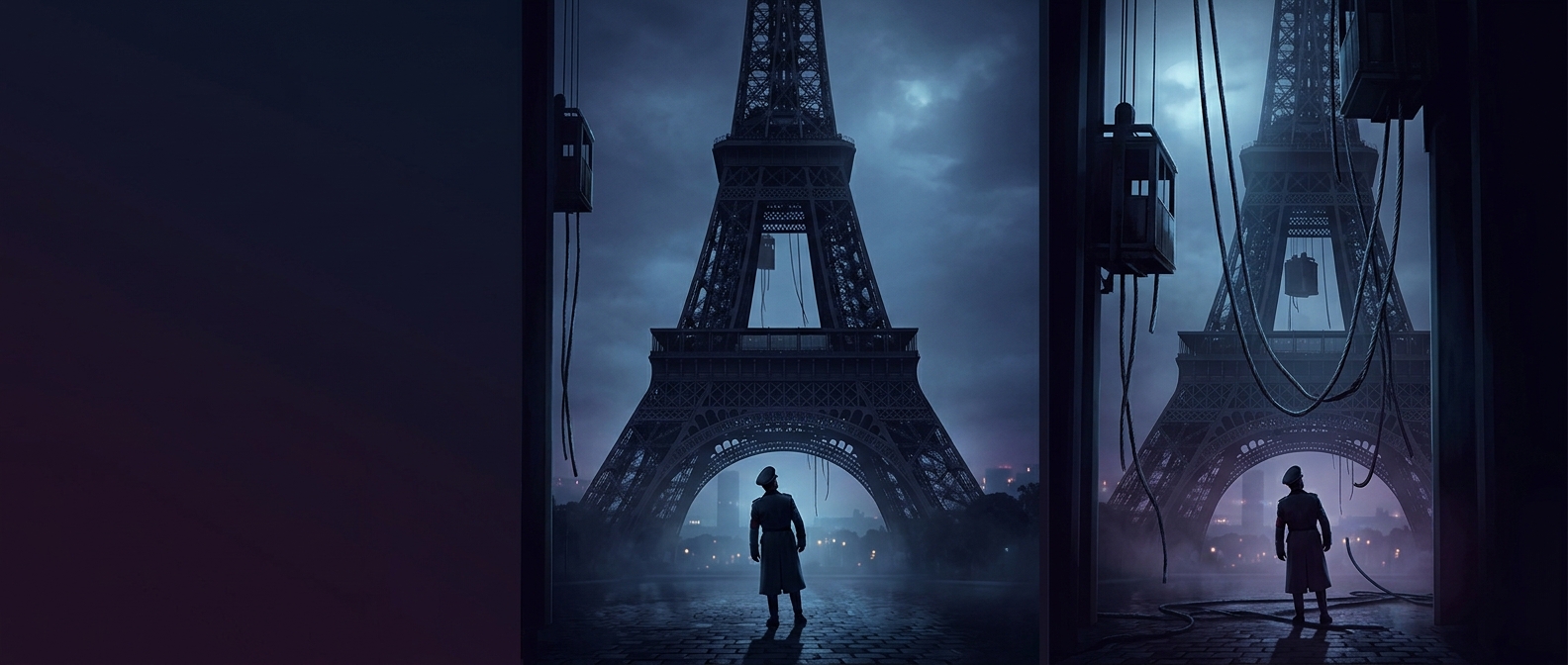
A cable is not just a line that holds an elevator car. In a cable-driven lift, it transmits the force that moves the car and helps keep its motion controlled. With the cables severed, the elevators could not simply be switched back on; the system had been physically disabled.
Turning a shortcut into a barrier
That mattered because the lifts were the practical way to move large numbers of people up the Tower. Removing them made access slower and more demanding, especially for anyone who could not manage the stairs. It also denied the occupying force the convenience of using the Tower’s normal transport system.
The choice illustrates a quiet form of wartime resistance: rather than damage the landmark itself, its operators could make one crucial piece of infrastructure unusable. The Tower remained standing, but its most efficient route upward was gone.