The Cornfield Became Part of the Production Budget
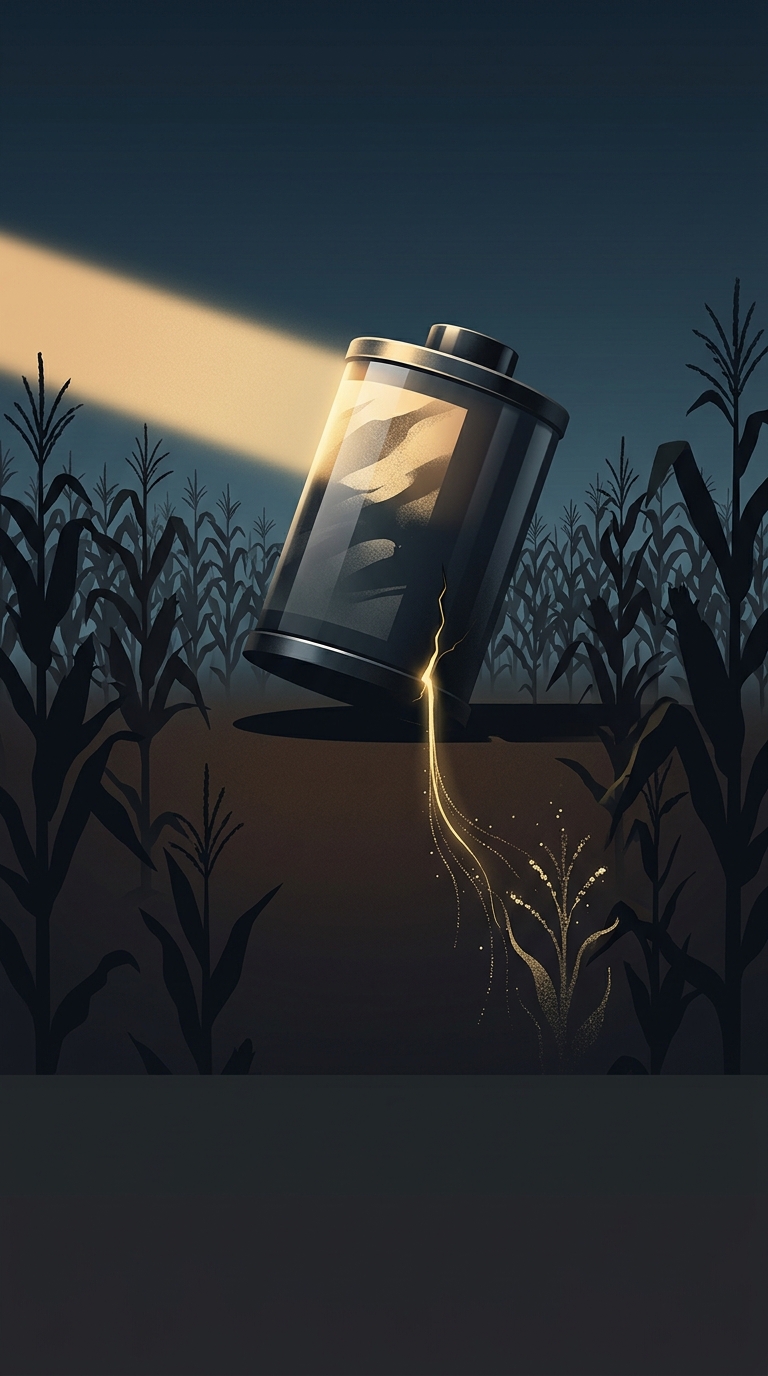
For Interstellar, Christopher Nolan had a real cornfield planted on roughly 500 acres in Alberta, Canada, where much of the film was shot. The crop gave the movie a working landscape for scenes set on Cooper’s farm, including the sequence in which vehicles race through the rows. Instead of creating that expanse entirely with computer effects, the production could film actors and vehicles amid actual growing corn.
The Harvest Came After the Cameras Left
Corn takes months to grow, so the field had to be planted well before filming could use it. Once production was finished, the crop did not have to be abandoned: it was harvested and sold. Nolan has said the sale brought in enough money for the production to make a profit on the corn.
That practical choice had a useful double effect. The crop served as scenery while the film was being made, then became a sellable agricultural product afterward. A set built only as a temporary backdrop would have had no harvest value.
A Film Set With a Real Growing Season
The field also imposed a constraint that a digital landscape would not: the production had to work around a living crop’s growth and harvest. Planting it specifically for the movie made the farm feel tangible on screen, but it meant treating the setting as more than scenery. By the time filming ended, the cornfield had completed a second job—as a crop ready to be brought in.