How Scratches Become Motion
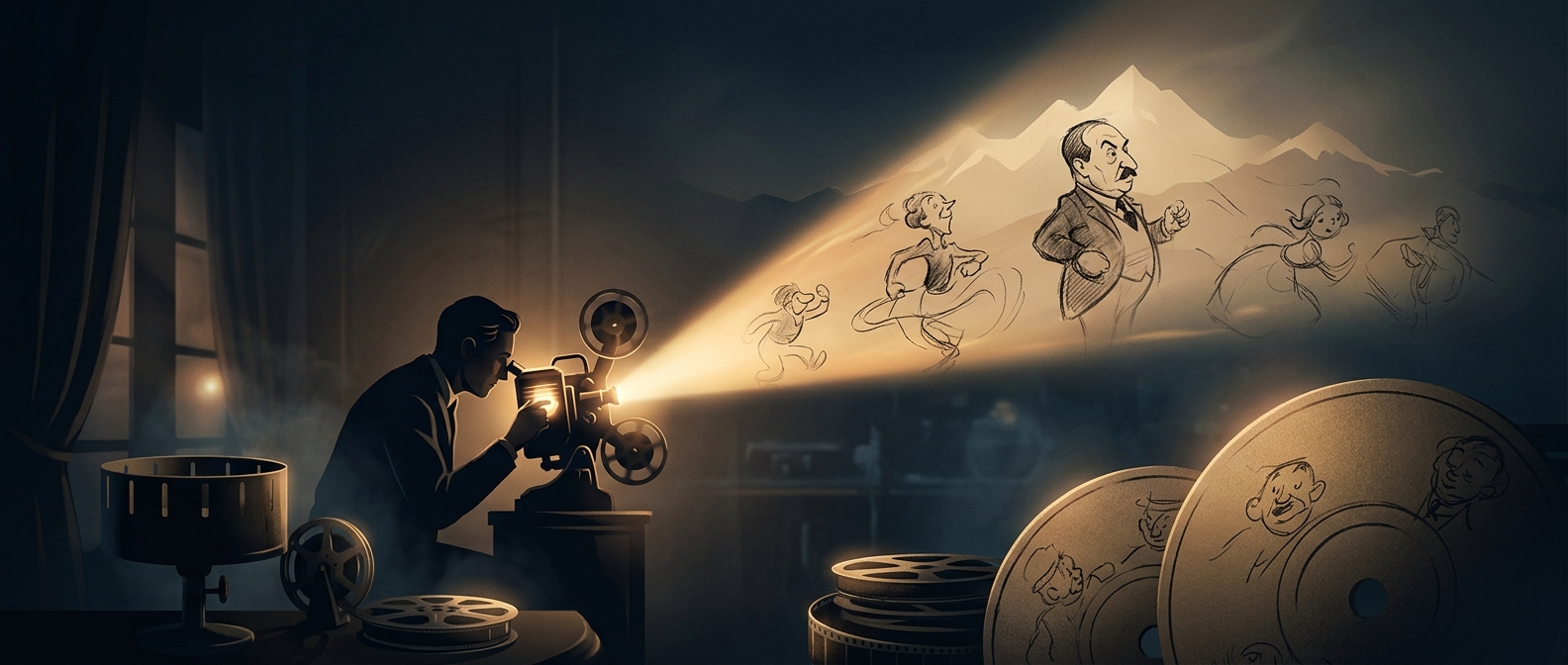
Motion appears only when the marks change from frame to frame. A strip of motion-picture film is divided into many small image areas; when a scratched line shifts, lengthens, or disappears across successive areas, a projector displays those differences in rapid sequence. The eye experiences them as a moving shape rather than as separate still pictures.
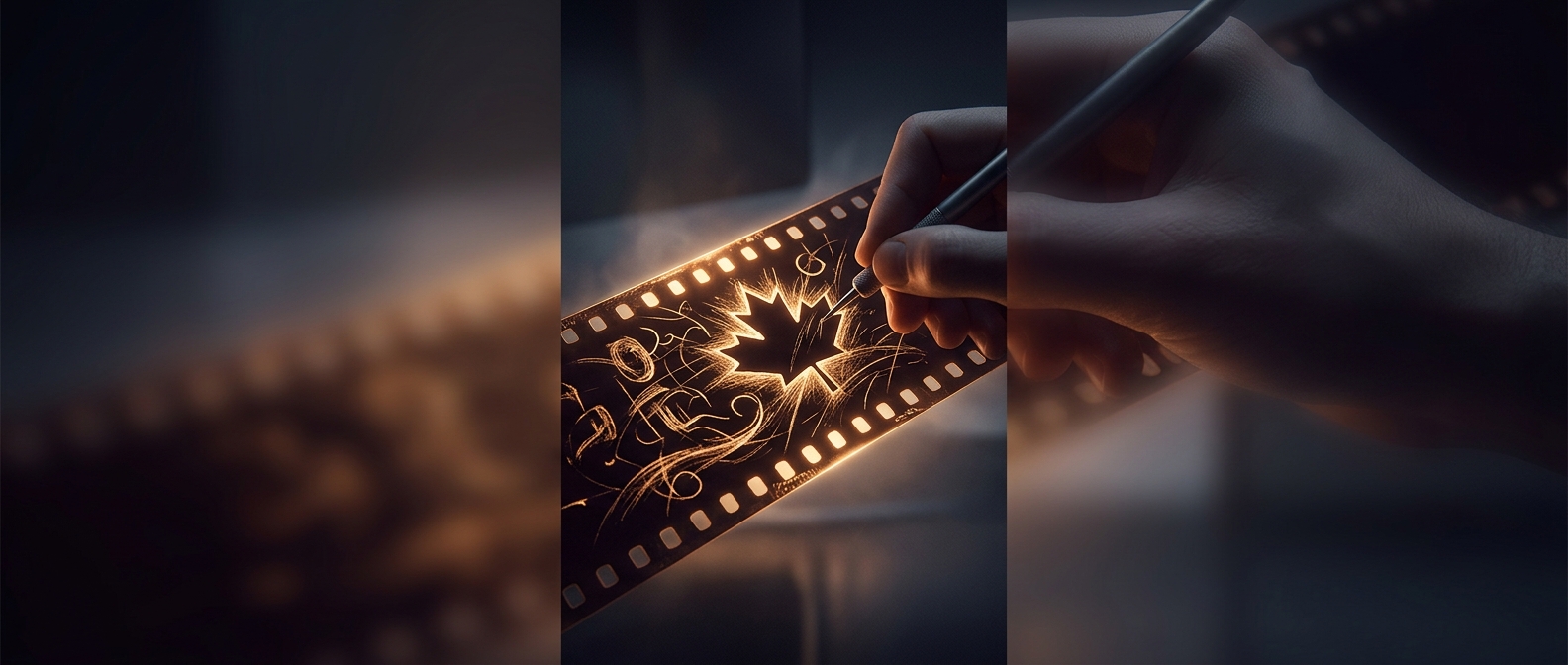
The scratch removes part of the film’s light-sensitive coating, called the emulsion. Where the coating is cleared, light can pass through the film. On dark or otherwise opaque stock, those transparent cuts can appear as bright lines when projected. The result is not a drawing filmed afterward: the marks are physically part of the strip that carries the images.
A Hands-On Frame-by-Frame Process
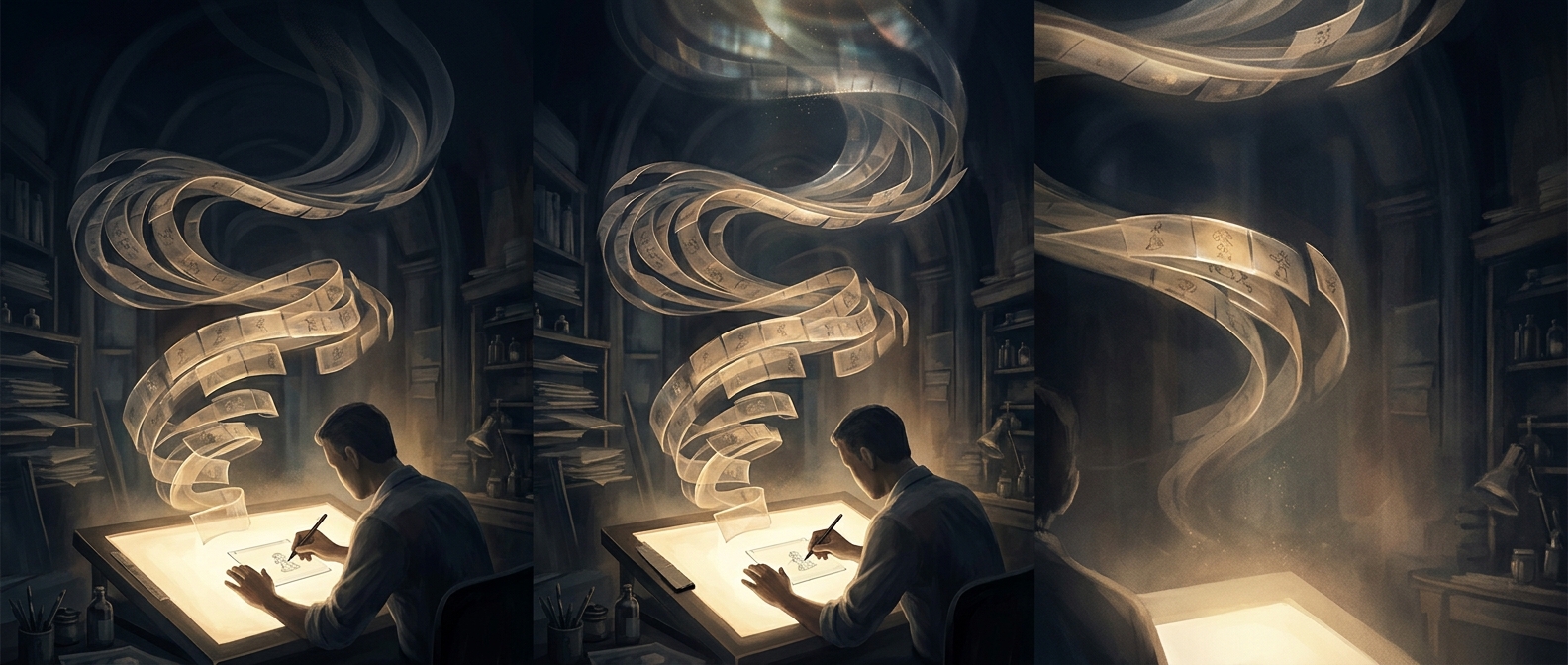
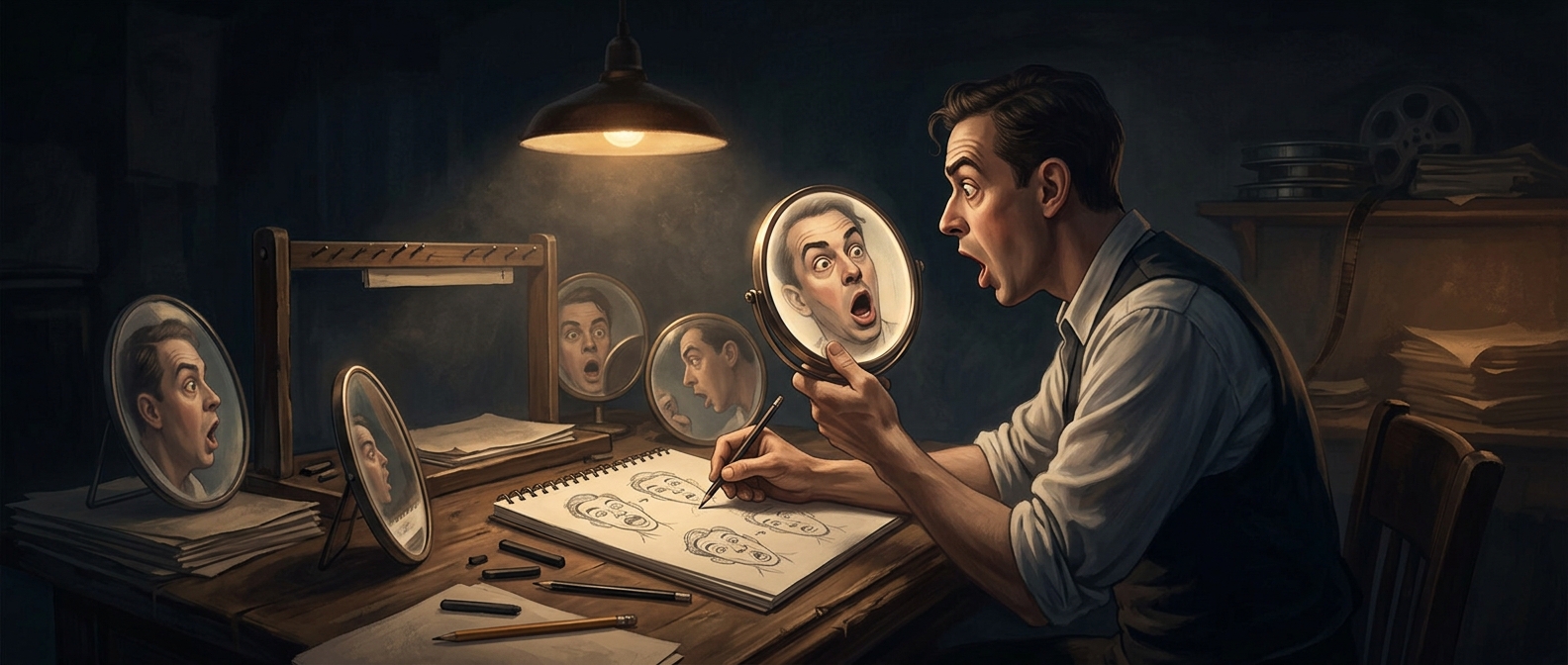
The artist works directly on the film, making and adjusting marks in a succession of image areas. A tiny change can alter the apparent position or shape of an object, so the animator must think in both pictures and intervals: what does each frame show, and how far has the action advanced since the last one?
That makes the medium unusually immediate—and unforgiving. A scratch cannot simply be lifted off the film like a loose drawing, and a slip can remain visible in the projected result. The narrow strip also limits the scale of the work. Artists may use pointed tools for fine lines and broader or repeated marks for heavier shapes, but the film itself remains the surface and the record of each decision.
Why the Image Feels Different
Because the marks are cut into a physical strip, their edges can look raw and irregular. The image may flicker, pulse, or change abruptly as the scratches accumulate, giving the animation a handmade quality that a camera-recorded drawing need not have. Each frame is both a picture and a small alteration to the material beneath it: the movement is built into the film, one cut at a time.