How Anxiety Can Make a Quiet Moment Feel Alarming
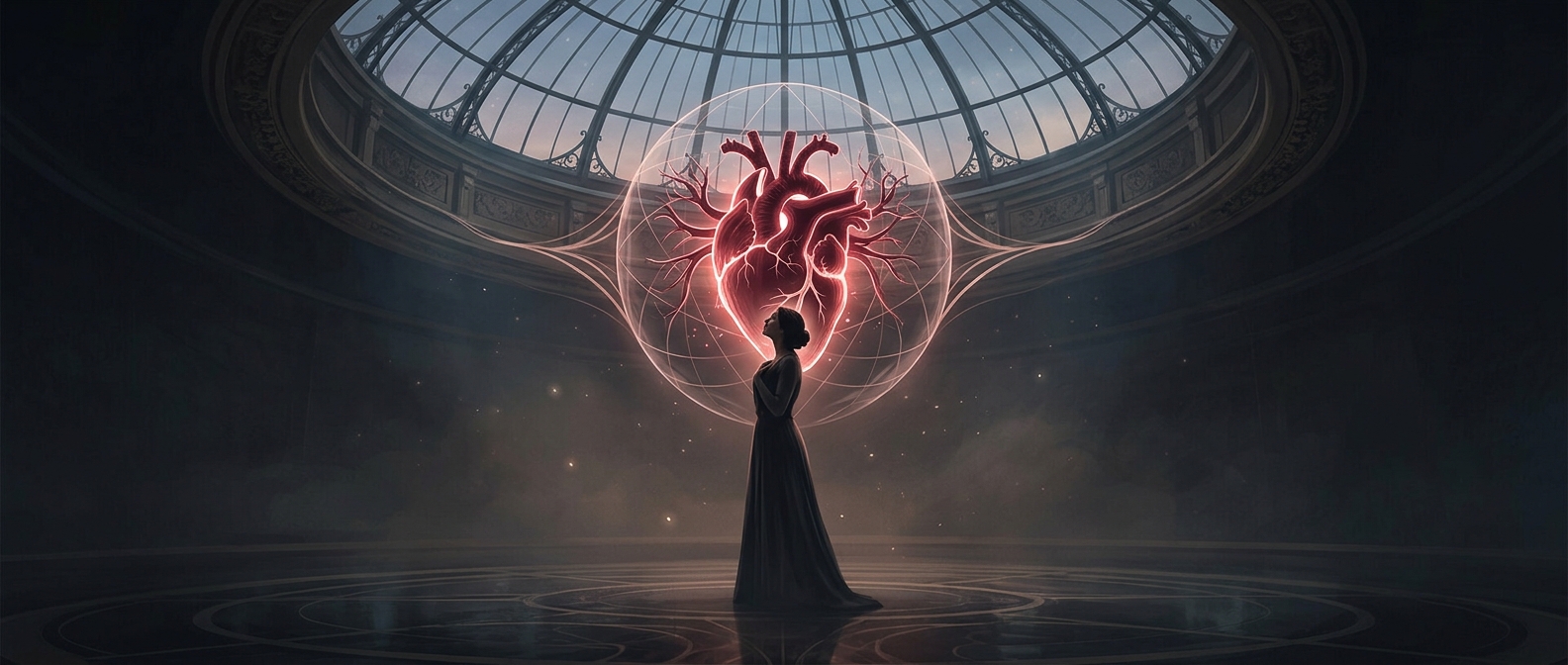
A pounding or fluttering heartbeat at rest can come from anxiety, even when you do not feel consciously worried. The body’s threat-response system can switch on before you have identified a reason: stress hormones such as adrenaline prepare you for action by making the heart beat faster or more forcefully. That change can feel dramatic in a quiet room, where there are few distractions.
The Sensation Can Feed Itself
Once you notice the heartbeat, you may start checking it or fearing what it means. That attention can make each thump seem more prominent, while fear can further activate the body’s alert system. The result is a feedback loop: anxiety intensifies the sensation, and the sensation intensifies anxiety. This does not mean the heartbeat is imaginary; the physical response is real.
Slow breathing and shifting attention away from repeated pulse-checking may help the body settle. But anxiety is only one possible cause of palpitations. Stimulants, medicines, dehydration, thyroid problems, and heart-rhythm conditions can also play a role, so new, recurring, or persistent symptoms deserve medical evaluation. Seek urgent care for palpitations accompanied by chest pain, fainting, severe shortness of breath, or marked weakness.
The unsettling twist is that a heartbeat can feel most conspicuous when the body is still—not because stillness proves a heart problem, but because there is less competing noise to mask the sensation.