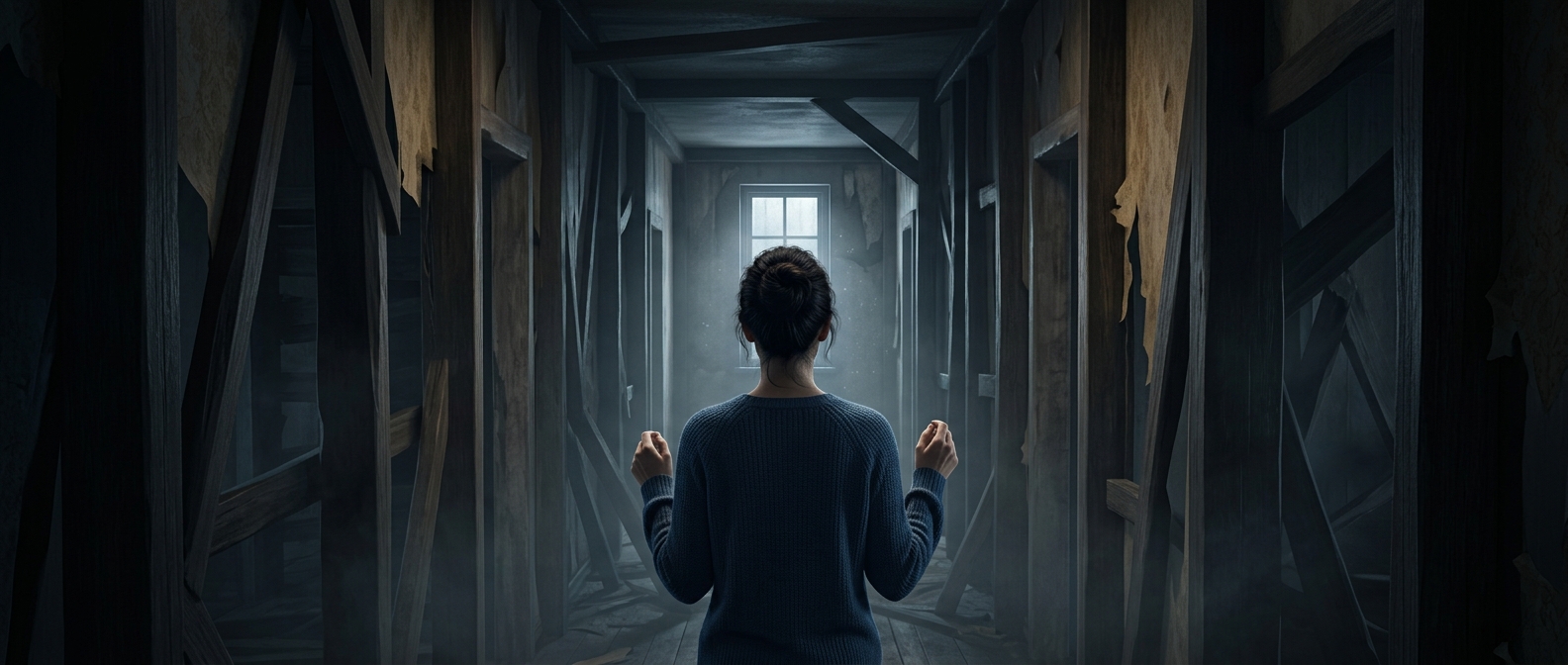
Why loneliness changes what gets noticed
When people feel socially secure, they can often leave an unclear interaction unresolved: a short message may just be a short message. Loneliness can make that uncertainty harder to tolerate. If connection feels scarce, the mind has more reason to monitor for signs that a relationship is weakening. Attention may then favor cues that could signal exclusion, such as a change in someone’s tone or a conversation that pauses when you arrive.
This is a shift in attention, not proof that the cue means rejection. A glance away might reflect distraction; a delayed reply might have nothing to do with the relationship. But when a person is already alert to possible distance, those explanations can be less noticeable than the threatening one.
How a small cue can become a larger problem
The interpretation can shape what happens next. Someone who reads silence as rejection may withdraw, reply sharply, or avoid asking what is going on. Others may then have fewer chances to respond warmly, leaving the person with less contact and more uncertainty. That can make the next ambiguous moment feel even more significant.
The useful distinction is between noticing a cue and knowing what it means. Pausing before treating an uncertain signal as a verdict—by considering another explanation or checking in directly—can interrupt the chain. A quiet room may feel like evidence of exclusion, but the feeling itself cannot tell you why the room is quiet.