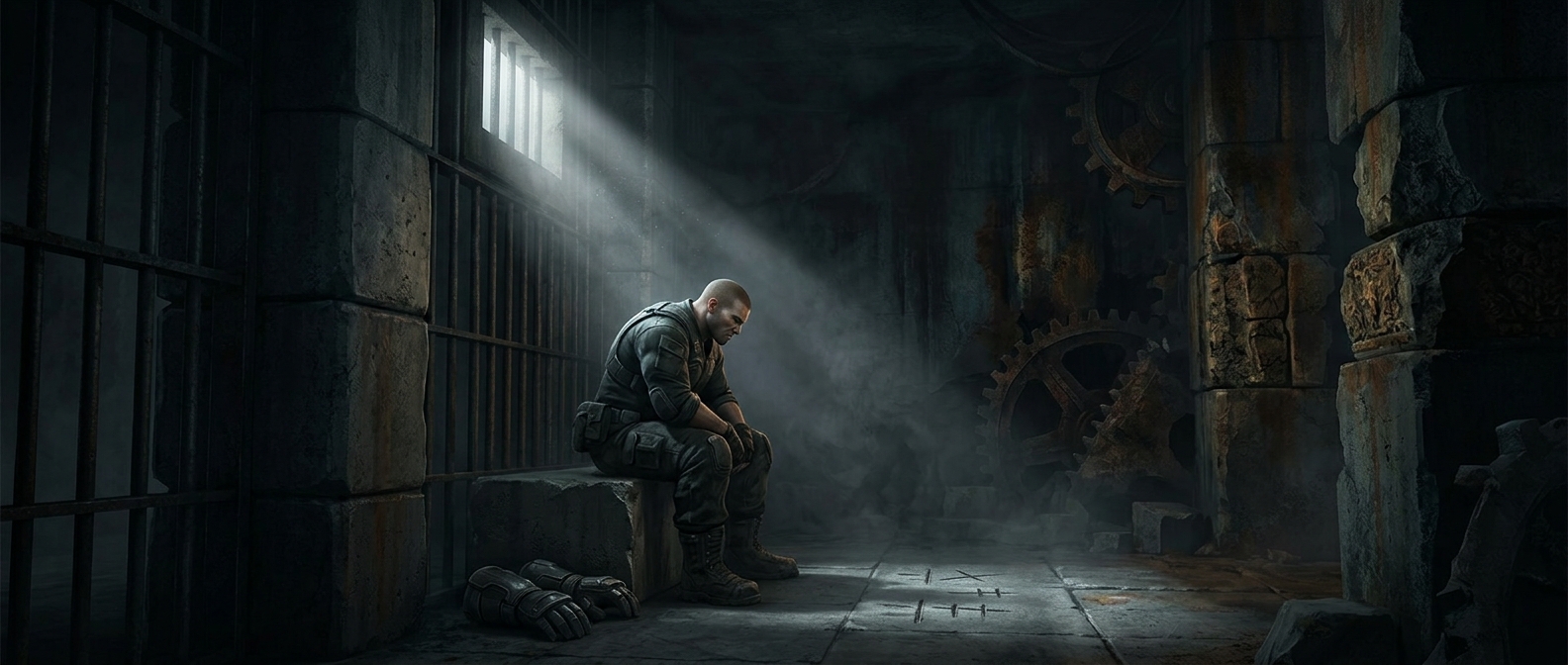
The Lock Is Part of the Set, Not the Safety Plan
An electromagnetic lock works by using an energized magnet to hold a metal plate against a door. Unlike a bolt that stays extended mechanically, its grip depends on a continuing supply of electricity. That makes it useful for an escape room: the door can appear securely sealed while the room’s control system keeps track of the game.
But a puzzle should not be the only way out. In a fail-safe arrangement, an interruption to the lock’s power removes its hold, so a malfunction or loss of electricity does not leave the door magnetically secured. A separate emergency release can also cut power. The important design distinction is between what players must do to finish the game and what they can do to leave safely.
Making the Illusion Yield
That separation shapes the room’s puzzles. A clue might appear to open a door, trigger a sound, or prompt staff to release a latch, but the dramatic sequence cannot be allowed to override the exit’s safety function. Operators may use different hardware and procedures, and the exact setup varies; the goal is to preserve the illusion without making escape from the room depend on solving it.
It is a small engineering compromise with a memorable result: players can feel trapped by the story while the real door remains designed to give way when its holding force disappears. The puzzle creates suspense; the lock’s power behavior sets a boundary on that suspense.