How Left 4 Dead’s AI Director Shapes a Campaign
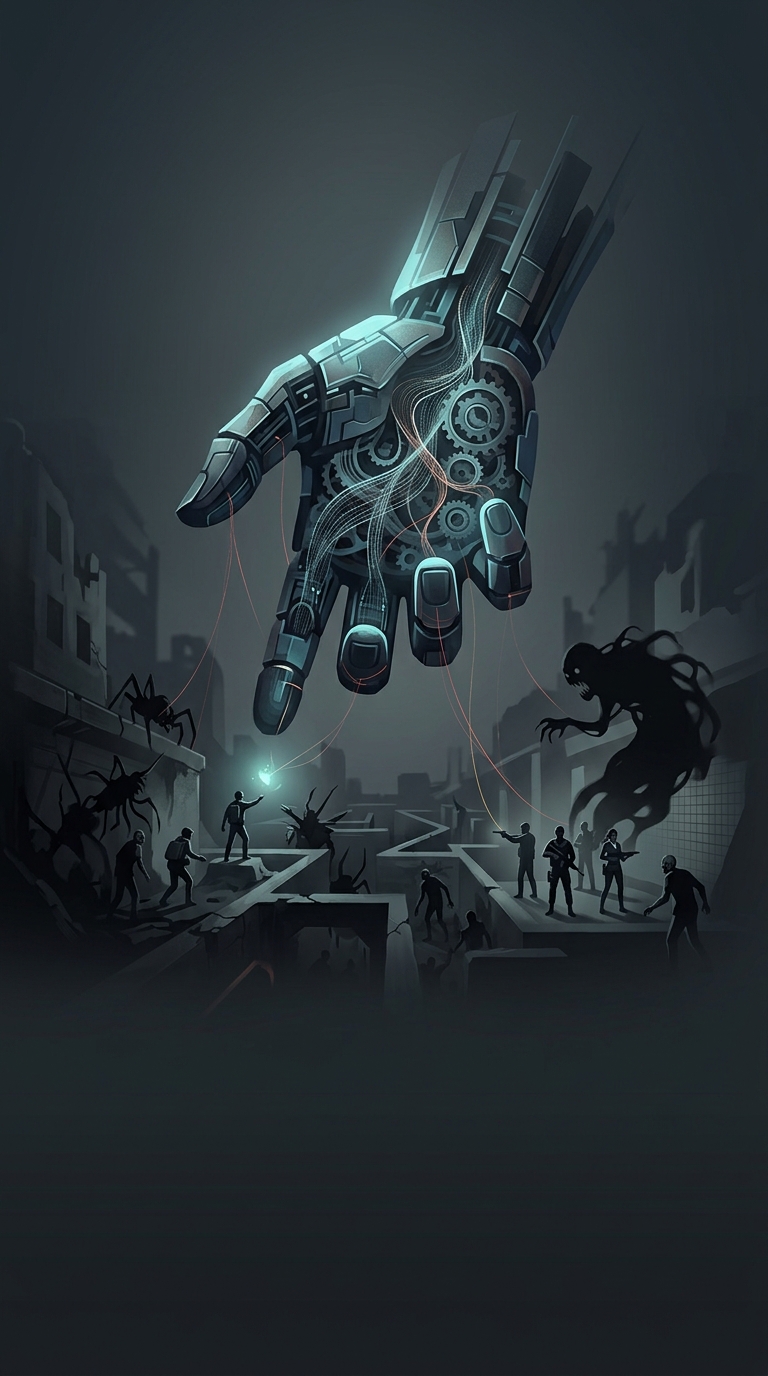
The AI Director does not read a player’s mind or measure stress directly. It uses in-game signals—such as how much damage the team has taken and how quickly it is moving—to estimate whether a moment feels manageable or overwhelming. It then adjusts the flow of threats and brief lulls, making the same stretch of a level feel different from one playthrough to the next.
From quiet stretch to sudden pressure
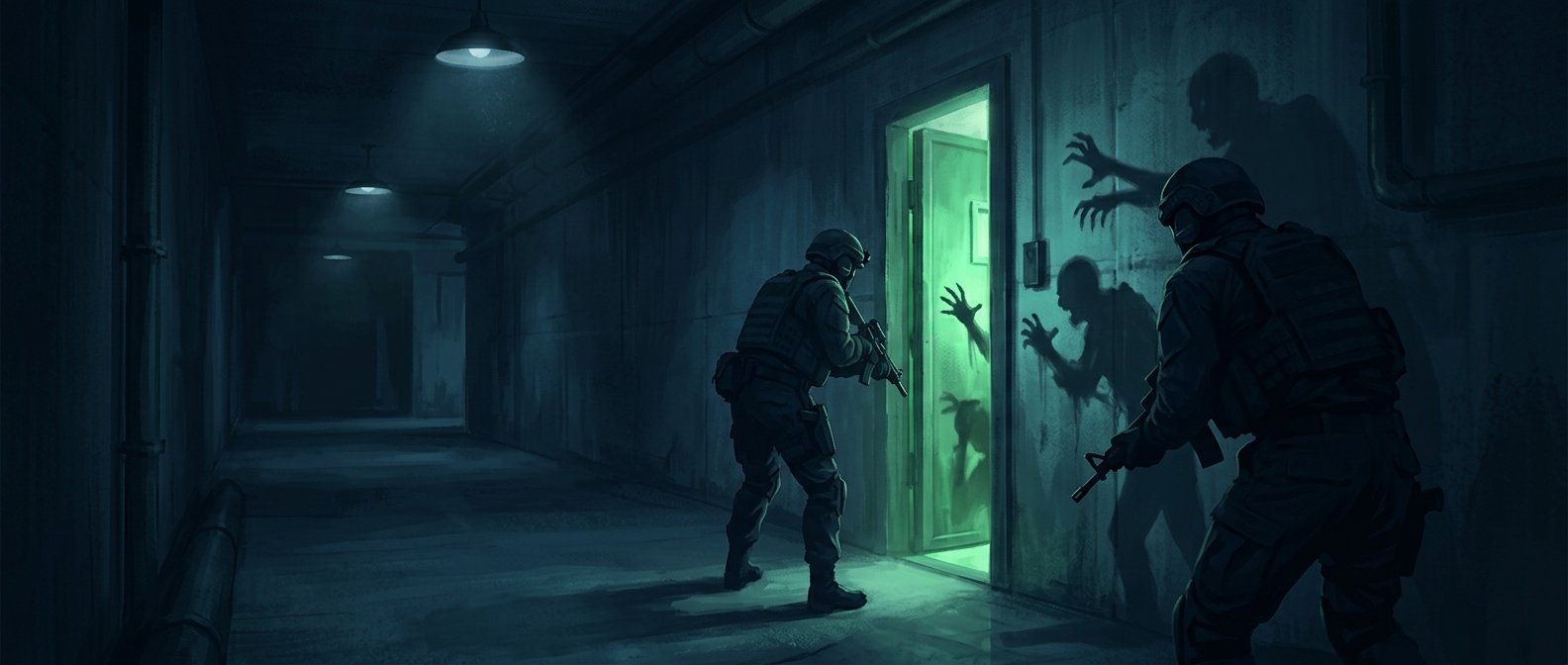
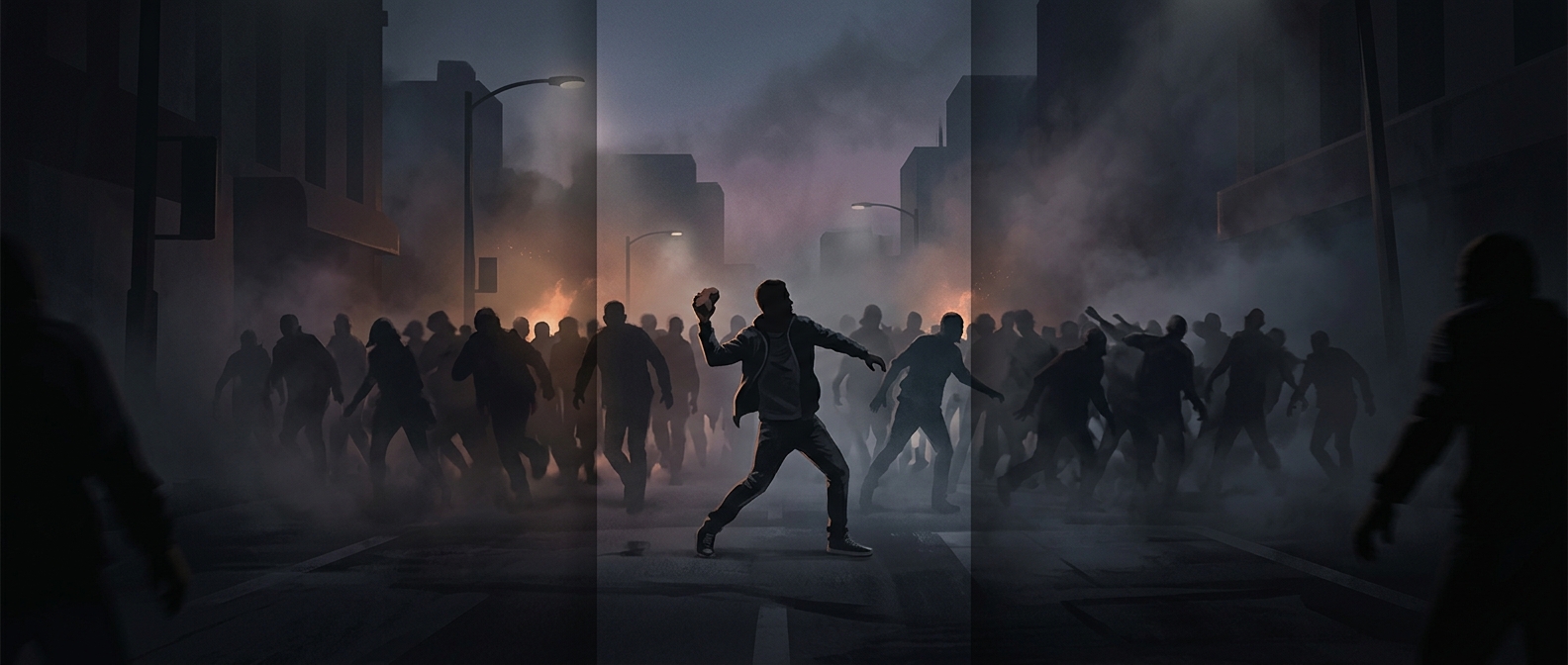
The Director controls when ordinary infected and special infected appear, as well as when the team gets a chance to catch its breath. It can build tension by letting danger gather, then trigger an attack; after a burst of action, it can hold back enemies for a while. That rhythm matters because constant combat would leave no contrast: a quiet corridor makes the next rush more startling.
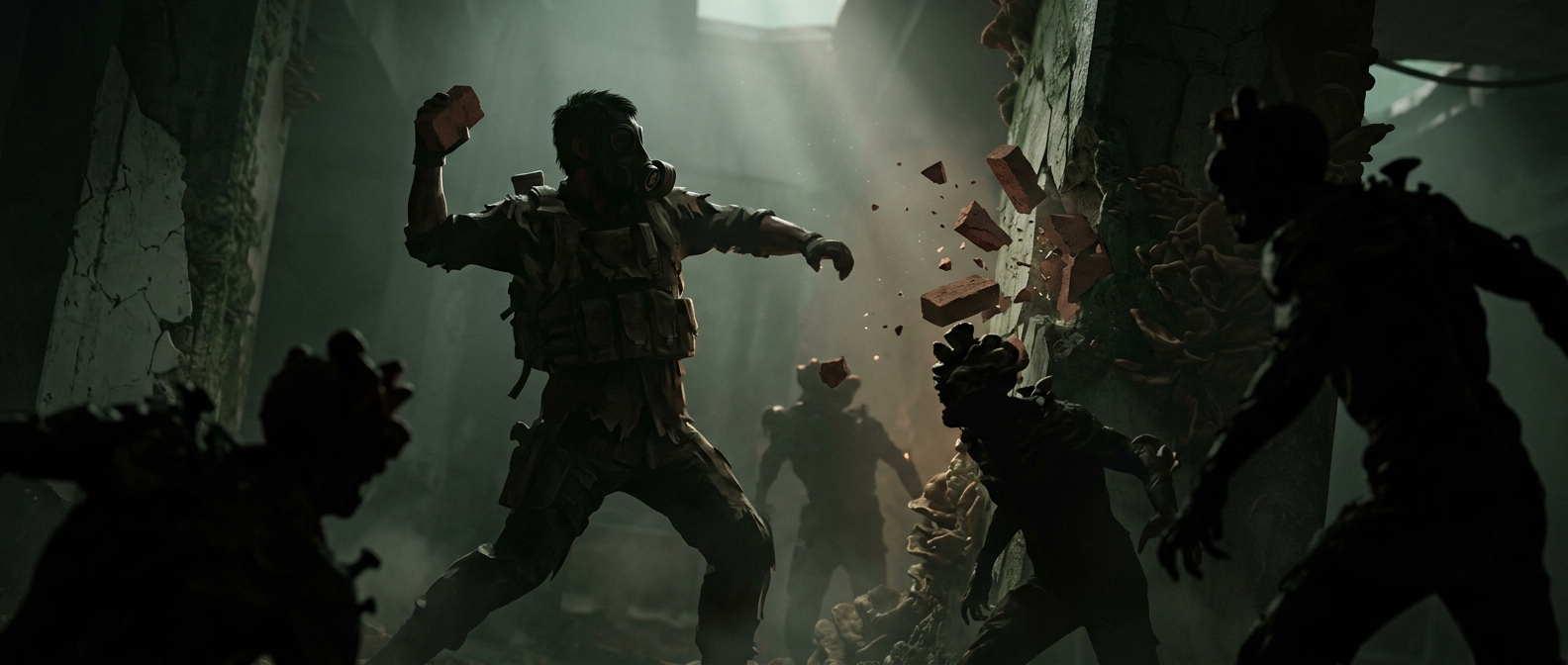
The system’s goal is not simply to punish a team that is doing well or rescue one that is struggling. It responds to the changing state of play within limits set by the level. A group taking heavy damage may get a pause or a useful item, but that does not guarantee safety. Major threats, including the Tank, are also part of the encounter design and can arrive when the team is already worn down.
Why the campaign stays unpredictable
A fixed sequence of attacks would quickly become familiar. By varying enemy appearances and pauses, the Director makes players react to the situation rather than rely only on memorized timings. It also gives the campaign a dramatic shape: pressure rises, breaks, and rises again as the survivors push forward.
That uncertainty is especially effective in co-op. A team may emerge from one encounter feeling secure, only to find that its depleted supplies and scattered formation make the next wave far more dangerous. The Director’s most memorable trick is not any single spawn—it is making the players unsure whether the quiet ahead means relief or a warning.